Major security operations rarely end when the target is removed. The next few hours will decide whether roads reopen, flights resume, and tourists keep coming. After authorities reported the death of CJNG leader Nemesio Rubén Oseguera Cervantes, cruise itineraries shifted, and airlines adjusted schedules. Those early moves point to a wider pattern. It includes reputation risk, information gaps, and supply disruptions beyond the immediate area. This playbook explains what usually comes next, what remains uncertain, and how residents and visitors can reduce exposure.
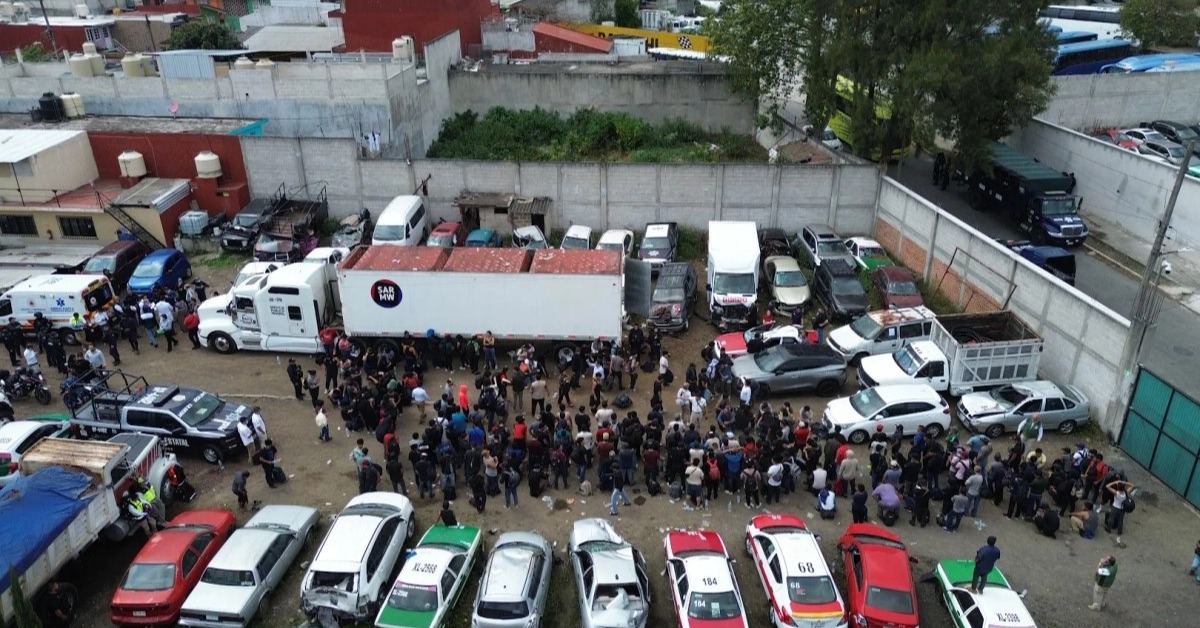
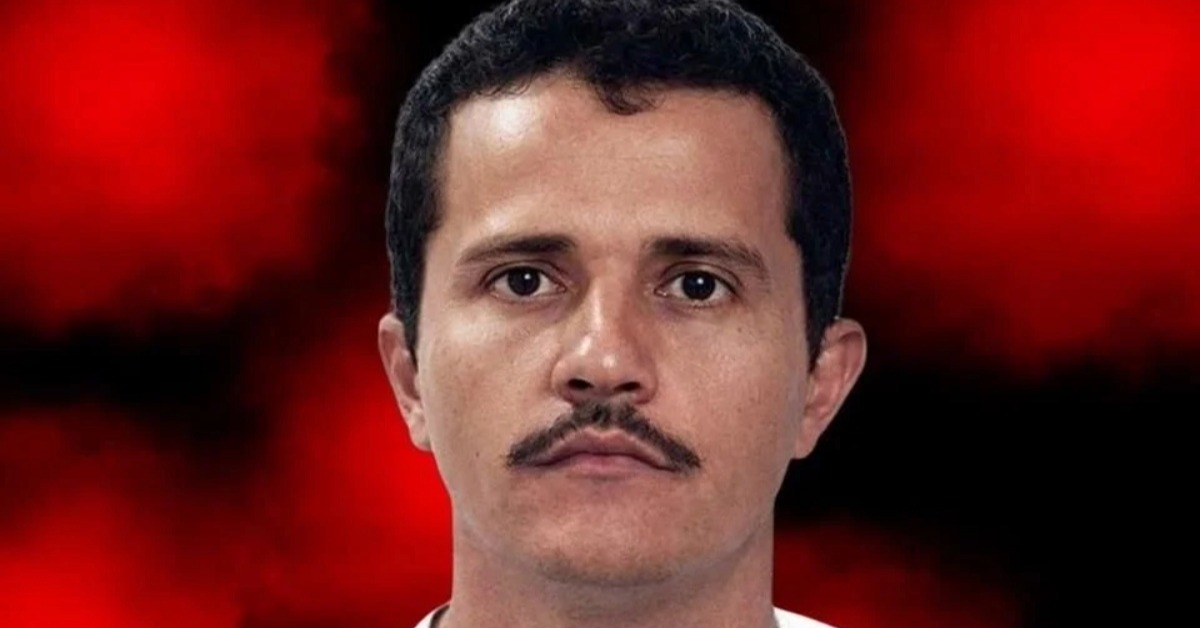
Kingpin removals are often treated as an endpoint. For tourism and commerce, they are often the start. On February 22, Mexican defense officials said forces targeted Nemesio Rubén Oseguera Cervantes in Tapalpa, Jalisco. They identified him as the leader of the Cártel Jalisco Nueva Generación (CJNG). His alias is “El Mencho.” Officials said he was gravely injured and died during an air transfer to Mexico City. Within hours, roadblocks and vehicle fires were reported across several states. Travel disruptions followed quickly, including flight suspensions around Puerto Vallarta and Guadalajara. Cruise lines adjusted itineraries, with some ships skipping Puerto Vallarta and adding sea days. A bank with a large Mexico footprint told investors that its branches remained open and that operations were stable. These moves show how security shocks convert into economic disruption. The same pattern repeats after many high-profile raids. The details differ, but the pressure points are consistent. The first effects are often logistical, not financial. They also spread through perception, not only geography. For many expats, the practical question is simple: what changes tomorrow, and what information is reliable?
What we know and what we don’t yet know
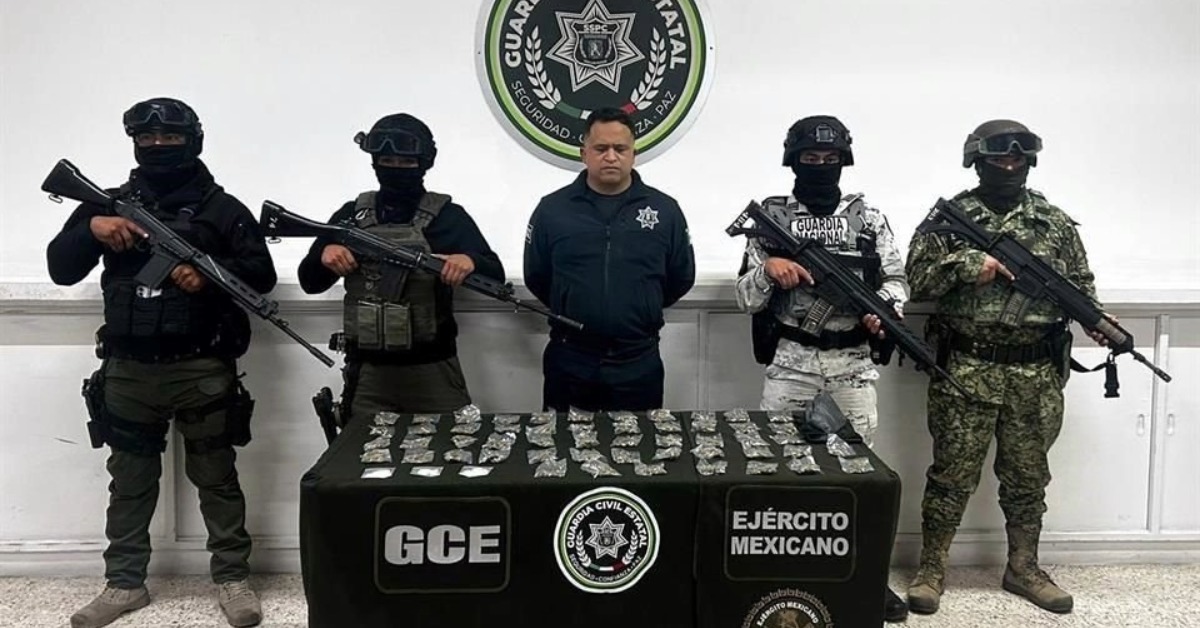
What we know: Mexico’s defense ministry says special forces planned an operation in Tapalpa. It cites the military intelligence, the National Intelligence Center, and federal prosecutors. It says troops were attacked, returned fire, and several suspected CJNG members died. The ministry says Rubén “N,” identified as “Mencho,” died during an air transfer for medical care. The federal prosecutor’s office, the FGR, later reported genetic identification of the body and two companions. Jalisco authorities say the statewide “Código Rojo” alert has been lifted. Some roads have reopened, but conditions can change quickly. They also say security coordination remains active. Airlines have published restart schedules and waivers for flights to Puerto Vallarta and Guadalajara. Some cruise itineraries have been altered, including the omission of port calls. What we don’t yet know: who will control CJNG’s top structure, or whether splinter groups will compete. It is unclear how long travel operators will keep extra buffers. Federal investigations linked to the unrest are still developing.
Why tourism feels the shock first
Tourism is exposed because it depends on confidence as much as security conditions. A traveler can reroute in minutes. A cruise operator can replace a port call with a sea day. Those choices reflect risk models, insurance terms, and evacuation plans. They also respond to what customers see online. In this episode, several Mexican Riviera itineraries dropped Puerto Vallarta, while keeping other Pacific stops. The financial impact is local and immediate. Puerto Vallarta received more than half a million cruise passengers in 2024. Mazatlán drew a similar scale. That demand is hard to replace quickly. When ships skip a call, guides, drivers, restaurants, and vendors lose a day of demand. Onshore businesses can stay open and still see revenue fall. The stakes are national, too. Official statistics show tourism contributed 8.7% of Mexico’s GDP in 2024 and supported about 7.4% of paid jobs. That is why a short security shock can become a wider economic story.
How large firms communicate stability
Large companies often face two audiences at once: customers on the ground and investors watching risk. Their first messages tend to focus on continuity. In this case, a major foreign bank with a large retail presence in Mexico spoke to investors. It said branches were open and operations were stable. That kind of statement can be true and still incomplete for travelers. A branch can open while a highway remains blocked. A resort can operate while the rideshare service is paused. The practical value is in the qualifiers. Look for where operations are stable, for how long, and under what restrictions. Also, look for what the company is doing for staff movement, cash logistics, and client access. If a firm mentions contingency sites or digital channels, it is often responding to localized disruption. If it avoids location detail, it may still be assessing. For expats, these statements are a signal of business resilience, not a substitute for official security alerts or transport updates.
Information hygiene in a fast-moving crisis
Fast-moving security events create an information gap. Official statements can lag, and social media fills the space. A common risk-management approach is to triangulate. Start with guidance from federal and state authorities, as well as consulate or embassy alerts for your nationality. Then check the operators that control your movement. Look at your airline, your cruise line, your bus line, your hotel, and the airport or port. These entities publish operational changes because they are subject to liability and duty-of-care rules. Treat unverified posts as leads, not facts. Recycled video is common during roadblock incidents. Look for time stamps, location markers, and independent confirmation. When a claim matters for your plans, verify it twice before you share it. For expats hosting visitors, keep plans flexible and avoid hard connections on travel days. If you must drive, prioritize major corridors and daylight, and be ready to turn back. The goal is not perfect information. It is decision-quality information.
Local business resilience when movement breaks
After a security shock, the real economy often feels it through movement. Roadblocks slow deliveries, shift staffing, and interrupt tourism foot traffic. Small businesses respond with simple moves that protect cash flow and safety. Many reduce operating hours, switch to delivery, or rely more on digital payments. Some pre-position inventory and fuel when they see tension rising. Others coordinate with neighbors to share updates on road conditions. In tourist zones, the goal is to stay open without creating crowd points. Hotels and restaurants often keep service running for guests, but cut public-facing promotions until conditions settle. Suppliers adapt too. When a corridor is blocked, distributors reroute through larger highways or hold stock in nearby cities. That can raise costs and delay perishables. For expats who run businesses, the first week is about continuity planning and staff communication. For expats who are customers, it helps to expect shorter menus, limited transport options, and sudden schedule changes. These are signs of adaptation, not collapse.
What happens next and what reduces harm
After a leader’s removal, the next phase is usually contested. Security forces push follow-on raids, while the criminal network tests state control. Research on leadership decapitation in Mexico links these moments to short-term volatility and, at times, to fragmentation. That matters for travel because disruption can spread without changing the underlying tourist appeal. Harm reduction tends to start with clarity. Authorities often try to lower risk by reopening key corridors fast and keeping the accurate road status public. They also try to separate verified updates from rumors. The private sector helps by communicating operational changes early and directly to customers. Cruise lines and airlines already do this through itinerary notices and waivers. Local governments and tourism boards can reinforce it with consistent messaging that matches observed conditions. For expats, the practical playbook is to keep travel days flexible and confirm plans the same day. Avoid sharing unverified alerts, even with good intent. If you host visitors, build backup routes, and allow extra time. The day after a kingpin is not only about violence. It is about continuity.
With information from Secretaría de la Defensa Nacional, Jalisco “Código Rojo”