Mexico says the CJNG is weaker after the death of El Mencho, but officials are warning against a simple victory narrative. New arrests, ongoing investigations, and a continued federal presence in Jalisco suggest the next phase will focus on breaking the cartel’s structure, not just replacing one leader. That matters because the group’s reach, money, and regional commanders did not disappear with its founder, and what happens next could shape security conditions well beyond Jalisco.
A weaker cartel, not a finished one
Omar García Harfuch says the CJNG has been weakened since the death of El Mencho. He also made clear the government is not treating that as the end of the organization. Speaking in Zapopan, Jalisco, he said the goal is not to strike one man and move on. The goal is to reduce violence and dismantle the structures that keep the cartel operating. That distinction matters. It changes how officials describe the campaign now underway across Jalisco and beyond. A cartel of this size does not disappear with its founder. It can keep regional bosses, money routes, gun networks, and local enforcers. Federal officials also tied the current weakening to recent arrests beyond the operation in which Oseguera was killed. Harfuch said the investigations remain active and the security actions continue. The government’s message was direct. The death of the cartel’s top figure was a major blow, but not a final chapter.
Why operations are still expanding
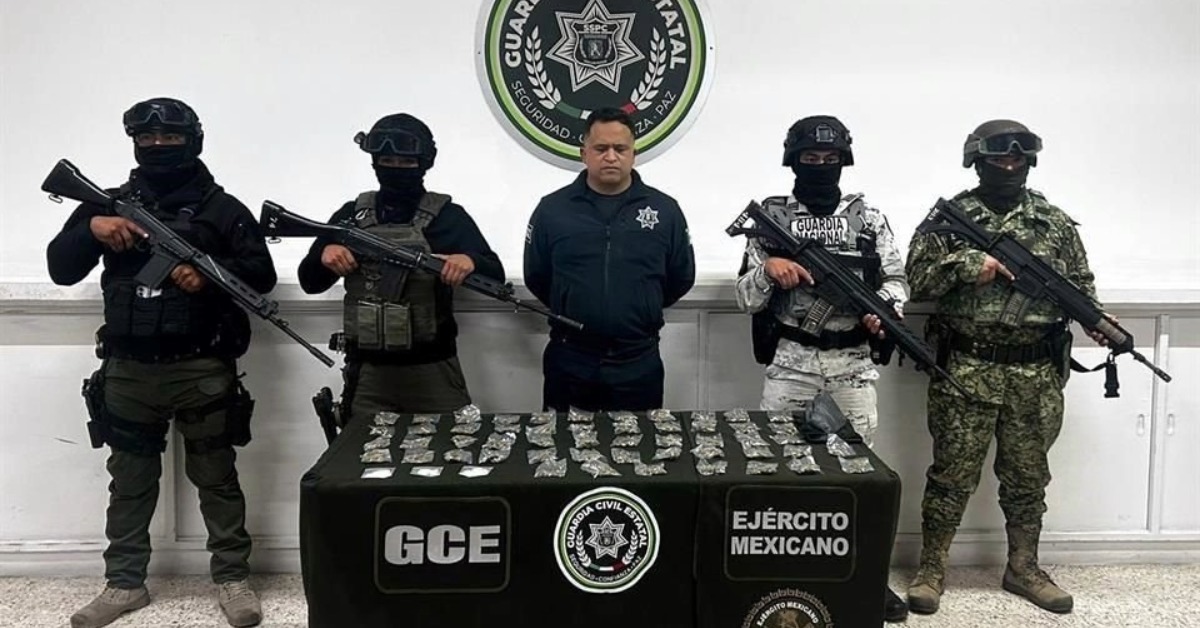
The government’s own explanation points to the next problem. Federal investigations are now focused on the structure left behind. Officials have said several strong figures inside the cartel are under investigation as possible successors. That suggests authorities expect a reordering, not an immediate collapse. It also explains why Harfuch has framed the campaign as a broader dismantling effort. He said the security cabinet will maintain its deployment and coordination with the Jalisco government. He added that federal forces will remain present to supervise operations and protect the public. He also pushed back on criticism over the heavy security presence during funeral-related movements. He said the purpose was to prevent new violence after earlier road blockades and vehicle fires. Officials also presented fresh data from Jalisco, including hundreds of arrests, major weapons seizures, and large drug confiscations. The point was continuity. The key issue now is whether the state can maintain pressure on the remaining network.
The next phase may be less visible
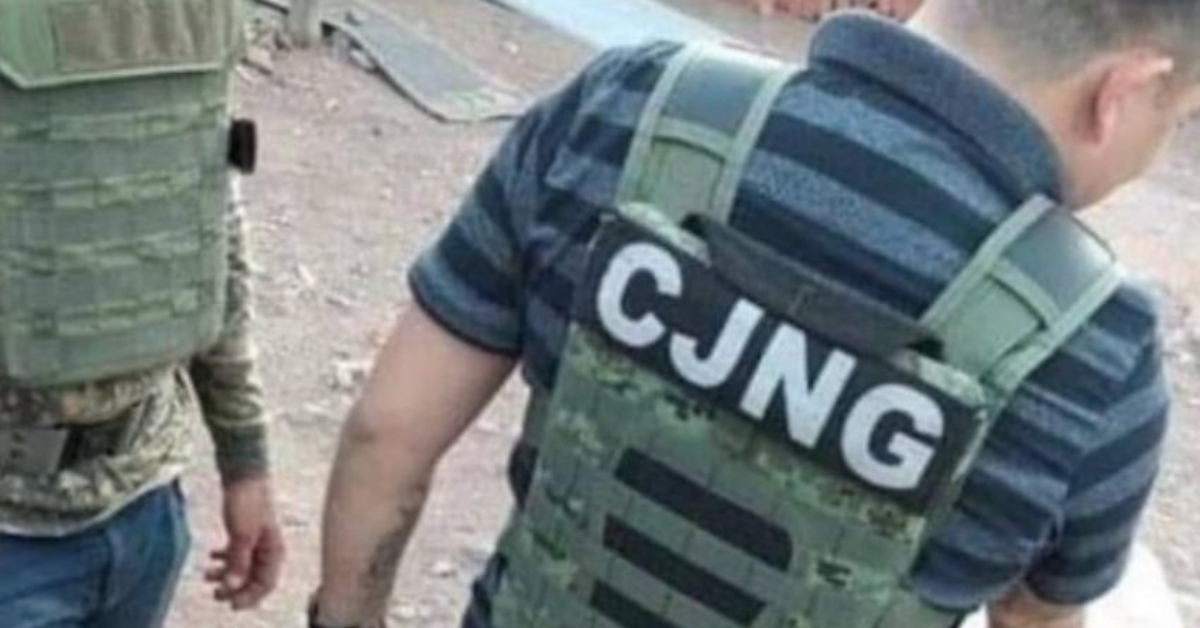
That wider view matters because the cartel’s reach extends beyond one command center in western Mexico. Recent reporting has shown that CJNG networks tied to money laundering, weapons sourcing, and other operations in the United States remain in place. Other reports have pointed to possible turf disputes and a reorganization phase following the loss of the group’s founder. That reality shapes the federal response. That helps explain the government’s caution. Officials are trying to avoid the idea that one operation solved a much larger problem. In practice, the next stage may look less dramatic than the raid that killed Oseguera. It could still be more important. It will likely depend on intelligence work, arrests, financial investigations, and pressure on regional commanders. For readers trying to understand what this means on the ground, one point stands out. The government believes the cartel is weaker, but it is acting as if the harder work has only just begun.