
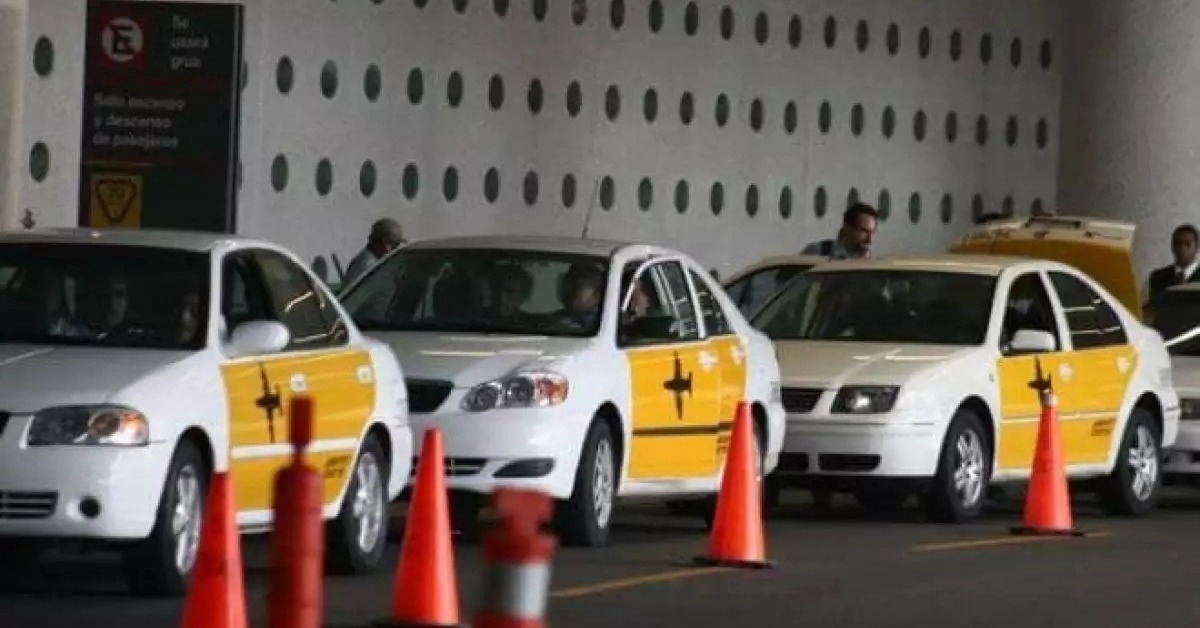
A transport fight at Mexico City’s main airport is moving back into public view. Authorized taxi operators say they are ready to protest inside AICM unless the federal government stops app-based pickups that they argue remain outside current airport rules. The standoff touches passenger convenience, federal oversight, and the unresolved legal status of Uber and DiDi at one of the country’s busiest gateways. With World Cup traffic on the horizon, pressure is building for a clearer answer.
Why the dispute is escalating
Authorized AICM taxi operators say they will begin ongoing protests at Terminal 1 and Terminal 2. They say the actions could later spread to other airports. The group wants federal and airport authorities to take a harder line against Uber and DiDi pickups inside the airport. Operators argue that app drivers are using terminal areas without meeting the same rules as authorized airport taxis. Those rules include permits, fees, operating requirements, and service meetings. They also say passengers face uncertainty. The government has not given a clear public position on how app-based services should work in a federal airport zone. Their main demand is simple. They want written assurances that current rules will not be relaxed to fit the platform model. The timing matters. Mexico City is preparing for the 2026 World Cup. The airport remains a major pressure point in the capital’s transport network. That gives the dispute added weight. Protests inside the terminals could affect traffic flow, passenger pickups, and the airport experience.
What the rules say today
The legal picture remains unsettled, but the current federal position is still restrictive. In late October 2025, SICT said app-based services did not have federal authorization. That applied to passenger transport to and from airport terminals like AICM. The agency also said that an Uber amparo did not constitute permission to operate at airports. According to that explanation, the court order dealt with enforcement, not full operating authorization. That distinction sits at the center of the dispute. Taxi operators read it as proof that app pickups remain outside the rules. The platforms continue to push for wider airport access. The conflict has been building for months. In 2024, the federal government floated a reform for app-based rides in airports and ports. That proposal was later paused after strong opposition from authorized taxi groups. For now, the services formally recognized inside airports are authorized taxis, tourist transport, and certain bus services. Since then, the issue has stayed alive in policy and legislative discussions. That leaves travelers, drivers, and airport operators in a system that still feels temporary.
Why travelers should pay attention
For passengers, this fight is not only about transport policy. It is about what happens after landing. If the announced demonstrations move forward, travelers could face slower curbside access and longer waits. Expanded protests could also create confusion around pickup zones. That matters for residents, business travelers, and expats who use AICM often. Airport taxis remain the authorized on-site option. App users, meanwhile, have spent long periods dealing with changing enforcement and pickup areas outside the immediate terminal zone. The dispute also exposes a broader problem. Mexico has not fully resolved how digital ride-hailing should work in federal transport hubs. Passenger habits, however, have moved toward app-based bookings. With Mexico City due to host World Cup 2026 matches in June, the pressure to settle that gap is growing. What happens next will depend on stricter enforcement, a negotiated compromise, or a new regulatory framework. Until then, ground transportation at Mexico City’s airport will remain unresolved, with direct consequences for travelers.
With information from Gaceta Parlamentaria, FIFA