Ajijic’s long-discussed underground wiring project now has a new target. Local officials say work should begin in mid-April, starting on central streets that connect the highway to the malecón. The plan promises a cleaner streetscape and staged construction meant to limit disruption. But the timing has shifted more than once, and key details still matter for residents, businesses, and frequent visitors. Here is what officials say will happen first, how long it may last, and why the schedule changed.
What the first phase covers
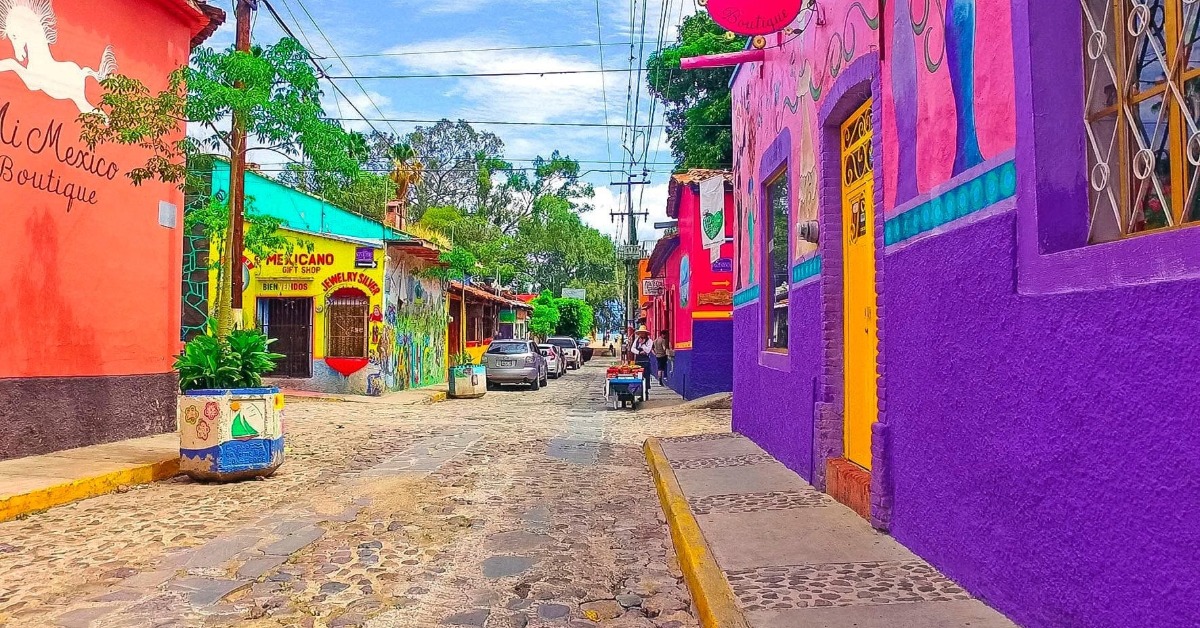
Ajijic’s underground wiring project is moving from concept to calendar. Municipal officials now say the first phase should begin in mid-April. The work will focus on Colón and Marcos Castellanos, two streets that connect the highway with the malecón. That first stretch covers one of the town’s busiest and most visible areas. Officials say the aim is to remove overhead electricity and telecom lines. They also want to reduce visual clutter and modernize basic infrastructure. The municipality is coordinating the plan with the CFE and seven service providers tied to voice, data, and video networks. Local officials say the excavation will be shared, so the same section will not be reopened by different companies. That method is meant to limit disruption for drivers, pedestrians, businesses, and residents who use central Ajijic each day. For people living near the center, the first phase will be the clearest test of how a beautification promise works in daily practice.
Why the timeline changed
The April target stands out because the schedule has already shifted. In December 2025, project backers said the wider Ajijic plan would start in January and eventually cover 42 blocks. By late January 2026, local reporting showed the project still had no confirmed start date. Municipal officials said contracts and CFE bidding steps were still pending. At that stage, the town was discussing a total investment of 35 million pesos. The current plan is more specific but also more defined. Officials now describe a three-stage project with an estimated total cost of 33 million pesos. They say the first phase would be funded by the municipality at roughly 11 million pesos. That does not erase the earlier delays, but it does offer a firmer path forward for residents. It also shows that the scope, cost, and timing have continued to evolve as the project moves closer to construction.
How the work may affect daily life
Officials say the work will be done in sections rather than all at once. Each stretch would be opened, fitted with the needed infrastructure, and then closed before crews move forward. That approach is designed to protect traffic flow and reduce pressure on shops and services in central Ajijic. Authorities also say power cuts should be limited during the changeover. The CFE estimates the first phase could take between six and seven months. Under the current plan, homes would be switched to the new system one by one. Officials say the interruption should not last more than about an hour per property. Another practical issue is the deadline being imposed on utility companies. Officials say cable providers have 30 days to submit executive plans or they will be left out of the underground network. Telmex has also joined the process and is expected to remove existing poles. For residents and regular visitors, the real measure of success will be whether the center stays usable while the streets are opened and rebuilt.