Bank branch closures are often framed as a sign of modernization. For many customers, though, they feel more like a quiet loss of access. In Mexico, banks are shrinking their physical networks as more services move to apps and websites. That may work well for people who bank from a phone. It is less simple for older adults, cash-reliant households, and anyone dealing with problems that still require a person behind a desk. The real story is not only about efficiency. It is about who is being left with fewer options.
The branch was never just a building
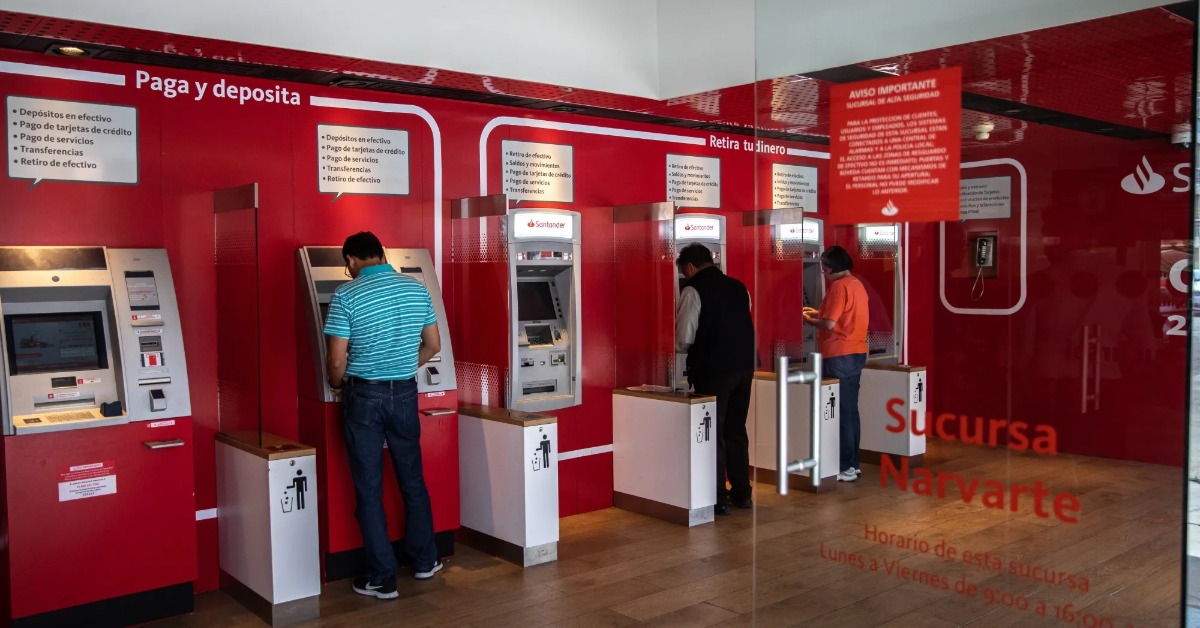
Mexico’s banks are closing branches faster as digital banking becomes more central to daily service. The industry finished 2025 with fewer branches than a year earlier, and the contraction was sharp enough to draw wider attention. For banks, the logic is familiar. More customers now pay bills, move money, check balances, and manage cards from a phone. A smaller physical network lowers costs and reflects how many routine transactions now happen without a teller.
But a branch was never only a place to complete simple tasks. It was also where customers went when something went wrong. It was where people updated documents, fixed blocked accounts, asked about loans, deposited business cash, or tried to solve a problem that an app could not explain. That is why the story matters beyond banking strategy. Branch closures change what kinds of help remain available in person and who can still reach it without much trouble.
Why digital growth does not solve everything
Banks have strong reasons to push customers toward apps. Digital channels are cheaper to operate. They are available all day. They also fit the way many people already manage money. Large banks say digital users now make up most of their customer base, and a growing share of transactions no longer occur at branches. From the bank’s perspective, that makes it harder to justify keeping every location open.
Still, the rise of digital banking does not erase the need for in-person service. National financial inclusion data shows that a large share of adults in Mexico still used a bank branch at least once during the previous year. That tells us something important. Even in a market that is moving online, the branch continues to serve a real function. People may not need it every week, but many still need it at key moments. Those moments often involve stress, paperwork, identity checks, or money that cannot be handled casually.
The people most likely to feel the change
The impact will not fall evenly. Customers who are comfortable with mobile banking may barely notice one less branch in their city. Others will notice immediately. Older adults often prefer to speak with someone directly, especially when dealing with unfamiliar products or fraud concerns. Small business owners may still depend on branch services for cash handling and account support. People with limited digital skills can find themselves pushed into systems they do not fully trust or understand.
This also matters in Mexico because access to banking is uneven. In larger urban areas, a branch closure may be softened by nearby ATMs, correspondents, or another bank office a short distance away. In smaller communities, the loss can be more disruptive. The issue is not simply whether a person can still withdraw cash. It is whether they can still get meaningful help when the problem is more complicated than a password reset. As banks streamline, financial access becomes more unequal in practice, even if digital coverage expands on paper.
What this means for foreigners living in Mexico
For international residents, this trend can become visible during moments that do not feel routine. Opening an account, updating immigration-related documents, resolving compliance questions, changing account details, or dealing with a flagged transfer often works better in person. Many foreigners can bank digitally for months with no issue. Then one administrative problem appears, and the value of a nearby branch becomes obvious.
That is why this story reaches beyond the banking sector. It touches the daily mechanics of life in Mexico. A branch closure may seem minor until it forces a longer trip, a slower resolution, or a harder conversation over the phone or with a chatbot. For customers who need clarity more than speed, fewer branches can mean less confidence in the system, even if the app itself works well most of the time.
The next question is not whether closures continue
The next question is who still gets reliable face-to-face banking as the network shrinks. Banks are unlikely to disappear from the street entirely. What is more likely is a leaner branch model, focused on higher-volume areas and more specialized services. That may be efficient for banks. It may also widen the gap between customers who can shift online easily and those who still need a human point of contact.
That makes this more than a modernization story. It is a transition story, and transitions always create winners and losers. Mexico’s banking system is adapting to how people increasingly move money. The unresolved question is whether access to personal service will remain broad enough for those who still depend on it.