On paper, 984 pesos per resident may not sound dramatic. But that figure pushed Chapala into the upper tier of municipal debt burdens in Jalisco. For readers in Ajijic and along the lakeshore, the bigger question is what that number actually means. Does it signal a fiscal problem, or does it mainly reflect how debt looks when spread across a relatively small population? The answer is more complicated than the ranking alone suggests.
Why Chapala’s debt ranking is drawing attention
Chapala ended the fourth quarter of 2025 with 59.6 million pesos in municipal debt, equal to about 984 pesos per resident. That placed the municipality among the highest in Jalisco on a per-capita basis. For a lakeside area better known for tourism, retirement communities, and real estate pressure, the figure stands out because it shifts attention to a quieter issue: the long-term cost of public borrowing.
The number matters because per-capita debt is designed to make comparisons easier. A large city can carry a much bigger total debt and still look lighter on a per-person basis. A smaller municipality can rank higher even if the total debt is far lower. That is why Chapala appears near the top of the state list. The municipality is not among Jalisco’s biggest borrowers in raw pesos, but its population base is much smaller. That makes the burden look heavier when measured by the resident.
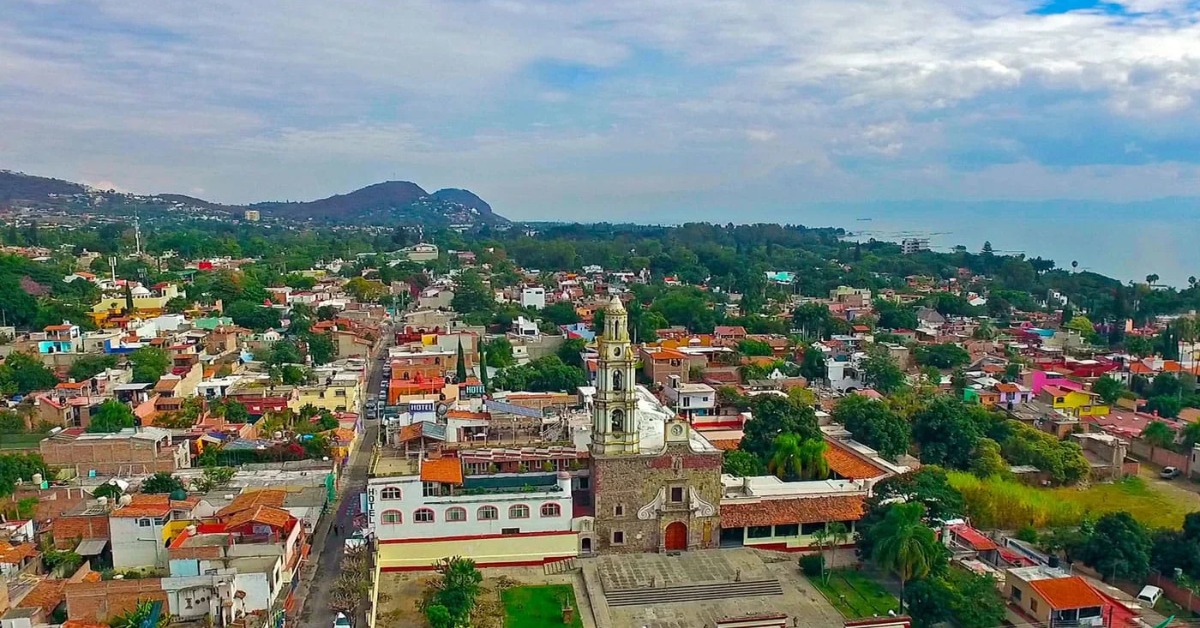
For international readers, the figure should not be read as a direct bill that each resident owes. It is a ratio, not a tax invoice. Still, it is useful. It shows how much debt the local government is carrying relative to the size of the community it serves. In a municipality that includes Ajijic and other lakeside communities, that matters because debt can affect how much room officials have to spend on streets, water systems, public spaces, security, and other basic services.
What the debt means in practical terms
The next question is whether 59.6 million pesos is large for a municipality like Chapala. One way to judge that is to compare it with the government’s expected income. For 2025, Chapala projected about 523 million pesos in revenue. That means the reported debt stock equals roughly 11.4 percent of one year’s projected income. That is not a trivial amount, but it is also not the same as a municipality in immediate financial distress.
That distinction is important. Debt can become a problem when annual payments begin to crowd out current services, or when short-term obligations pile up faster than the government can pay them. A municipality may have debt on its books for years without facing a crisis, especially if the loan is structured over a longer term and payment pressure stays manageable. In other words, the headline number matters, but cash flow and repayment capacity matter just as much.
Public-finance data from the federal debt-alert system help explain that point. In the first half of 2025, Chapala remained classified as sustainable under indebtedness, with its debt and obligations falling within a low range relative to its free-disposal income. That does not erase the debt. It does suggest the municipality was not, at that point, flagged as being in the danger zone under the federal framework used to monitor subnational borrowing.
Why a high per-capita ranking can still be misleading
The ranking is real, but rankings can flatten important differences. Per-capita debt highlights relative burden, not the full fiscal picture. It does not show whether the municipality is current on payments, whether the borrowing financed long-term infrastructure, or whether the debt is rising or falling. It also does not tell readers how much of the annual budget is already committed to payroll, utilities, or public works.
That is where the story becomes more useful for residents and property owners. A municipality with a manageable debt structure can still face pressure if local revenue weakens, collections fall short, or new spending demands arise. The lakeshore area has grown, and growth brings costs. More residents and more visitors mean more pressure on roads, waste collection, water service, public lighting, transit, and public safety. Debt can help finance investment, but it can also reduce flexibility later.
For Ajijic, where many foreign residents pay close attention to local quality-of-life issues, the question is not only how high Chapala ranks on paper. The real question is whether future budgets show the debt shrinking, staying the same, or becoming harder to service. A high per-capita figure is a warning sign to watch. It is not, by itself, proof of fiscal failure.
What residents should watch next
The most useful indicator now is trend, not just rank. If the debt balance declines over the next reporting periods, the current figure may look more like a legacy burden being worked down. If it stays flat or rises while operating pressures grow, concern will increase. Residents should also watch how much of the budget goes to debt service, how much remains for public works, and whether the municipality continues to stay within the sustainable range under federal monitoring.
That matters because local debt is not abstract. It shapes the government’s room to act. In communities around Lake Chapala, that can influence the pace of road repairs, infrastructure upgrades, drainage work, park maintenance, and service expansion. For many expats, these are the issues that affect daily life far more than a ranking table.
For now, the clearest takeaway is this: Chapala’s debt burden is high relative to its population, and that is why it stands out in Jalisco. But the available public-finance data also suggest the municipality was still operating within a manageable debt framework during 2025. The headline ranking deserves attention. The long-term trend will matter more.