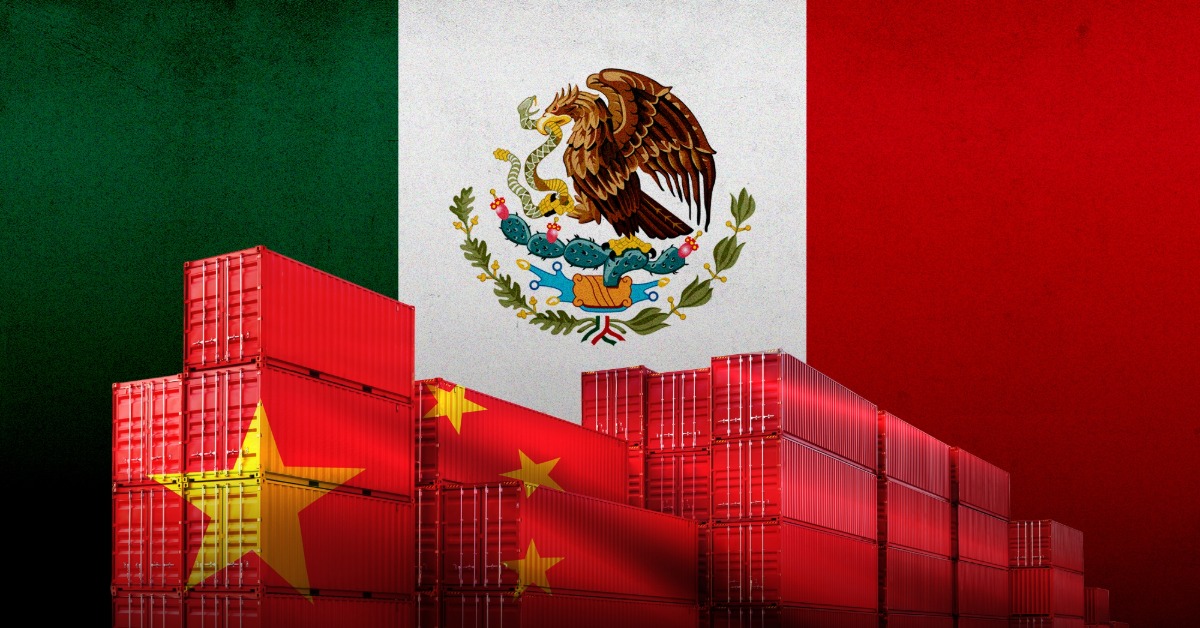
Mexico’s tariff dispute with China is no longer just about import duties. Beijing is now warning of retaliation and pointing to stricter customs checks on goods tied to Chinese supply chains. Mexico, meanwhile, says the policy is about protecting jobs and industry, not targeting one country. The clash matters because it could shape sourcing decisions, border compliance, and the next phase of North American trade talks. The headline is simple. The real story is how tariffs, factories, and geopolitics are now colliding in Mexico.
China is warning Mexico that the dispute over tariff hikes may not end at the border. Mexico raised duties on a broad range of goods from countries without free trade agreements. Beijing says the measures amount to a trade and investment barrier. Chinese business representatives also say tougher customs inspections and origin checks are putting new pressure on supply chains.
The latest warning followed a Chinese trade probe opened in September and concluded this week. Chinese authorities say the Mexican measures affect more than $30 billion in exports to Mexico. They estimate about $9.4 billion in losses for mechanical and electrical goods. Another large hit, they say, falls on autos and auto parts. Beijing has not announced a specific response, but it says it has the right to defend its interests.
Why China is escalating
Beijing’s complaint goes beyond the tariff schedule itself. Chinese officials say some non-tariff measures in Mexico, including complex customs procedures, can delay imports and discourage investment. The concern is strongest in industries that depend on Chinese components but assemble products elsewhere. That matters in Mexico, where many factories sit inside supply chains linked to the United States and Canada.
That is where rules of origin enter the story. Under the USMCA, a product must meet regional content rules to qualify for preferential treatment. If officials intensify reviews of goods with Chinese parts, companies can face more paperwork and delays. They can also face disputes over whether a shipment still qualifies as North American. For exporters, that can matter as much as the headline tariff rate.
Why Mexico says the tariffs are necessary
Mexico’s tariff package took effect on January 1 and covers 1,463 tariff lines. Rates vary by product. Most rise to as much as 35 percent, and some reach 50 percent. The affected sectors include autos, auto parts, textiles, clothing, plastics, and steel. Officials have said the goal is to protect domestic production, correct trade distortions, and shield jobs in industries they see as vulnerable.
Mexican officials have tried to frame the move as a defense of domestic industry, not a direct attack on China. Marcelo Ebrard has said Mexico has nothing against China. He argues the tariffs are needed because local producers face strong price pressure in sectors such as steel, footwear, and textiles. When the policy was rolled out, the government also projected extra fiscal revenue and a limited inflation effect. That argument now sits at the center of Mexico’s defense.
Why the dispute matters beyond tariffs
This dispute lands at a sensitive moment. U.S. and Mexican officials have already begun the early phase of the USMCA review. One stated goal is to reduce dependence on imports from outside North America. Washington has repeatedly raised concerns about Chinese investment in factories in Mexico and about Chinese content moving through regional supply chains. That gives Mexico’s tariff policy a larger role than a normal customs measure.
For businesses in Mexico, the immediate issue is compliance. Companies that import finished goods from China face higher duties on many products. Companies that assemble goods in Mexico with Chinese components may face closer origin reviews and greater pressure to document where value is created. Over time, some firms may change suppliers, absorb higher costs, or pass part of those costs forward. That is why this story matters beyond government statements.
The automotive sector sits near the center of the dispute. China says Mexico became its largest vehicle export destination in 2025. That helps explain why Beijing’s estimated losses are so heavily concentrated in autos and auto parts. It also explains why the issue is politically difficult for Mexico. Cars are not just another imported product. They are part of a larger fight over industrial policy, investment, and regional content rules.
What comes next
China has not yet spelled out a retaliatory step, and that leaves a wide range of possibilities. A response could come through trade policy, tougher treatment of Mexican goods, or pressure on companies that work in both markets. Beijing may also keep using public warnings to push Mexico toward talks rather than immediate escalation. For now, the strongest signal is that China no longer sees this as a narrow customs disagreement.
Mexico, meanwhile, appears unlikely to reverse course soon. The government has tied the policy to jobs, industrial strategy, and its effort to enter the USMCA review from a stronger position with the United States. That leaves importers, exporters, and manufacturers navigating a more complicated border environment. What began as a tariff change is now becoming a broader test of where Mexico wants to stand between Chinese trade power and North American supply-chain politics.