Cinemex is not just remodeling theaters. It is changing how people spend once they walk inside. As admissions in Mexico remain well below pre-pandemic levels, the chain is betting on better seats, broader food options, and a more upscale night out. The move helps explain where the movie business is headed. It also raises a simple question for audiences: can a better cinema trip persuade more people to leave the couch?
Cinemex leans harder into the premium movie trip
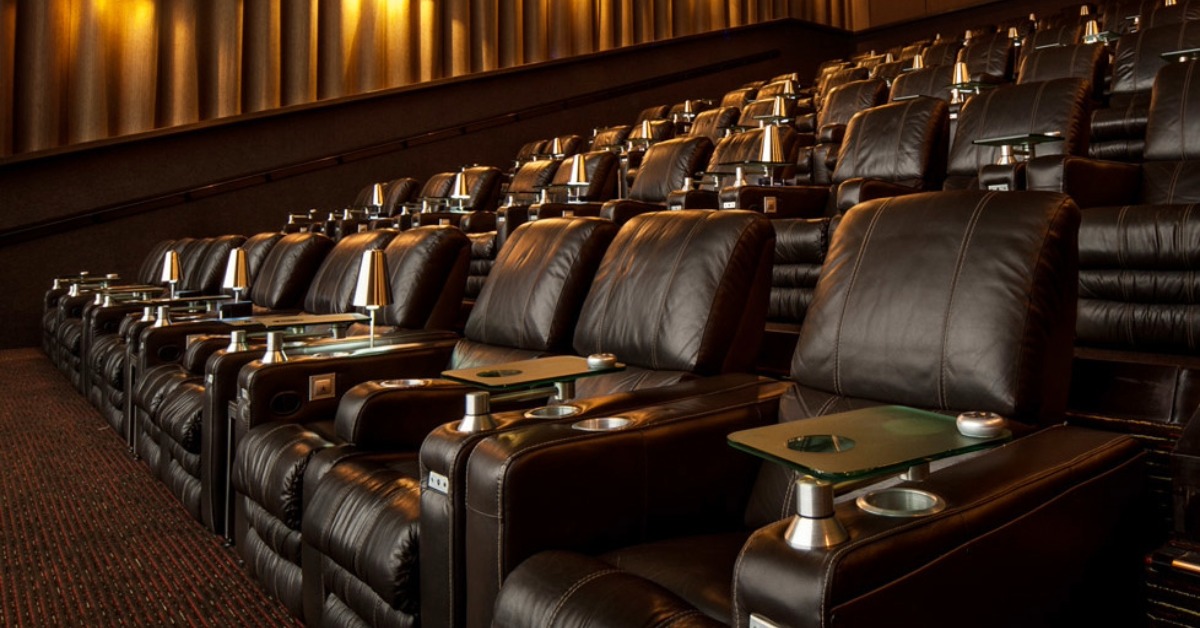
Cinemex said it will invest up to 70 million pesos per complex in its Market format. The model is built around a higher-end cinema visit, with expanded food options, upgraded common areas, and a stronger focus on what people spend beyond the ticket.
That matters because this is not a small local operator testing a niche idea. Cinemex is Mexico’s second-largest theater chain, which gives the strategy weight across the industry. When a company of that size shifts its model, it is also signaling where exhibitors think the market is going.
Why the company is spending now
The timing is not accidental. Mexico’s cinema business is still dealing with softer attendance. In 2025, the country sold 203 million tickets, down 6.86 percent from the previous year. That total was still 42.29 percent below pre-pandemic levels. Box-office revenue also fell to 14.983 billion pesos.
Those numbers help explain the logic behind premiumization. If fewer people are coming through the doors, each visit must generate more revenue. That can come from a higher-value ticket, as well as from food, drinks, and a longer stay in the complex. In that model, the film remains the main draw, but it is no longer the only product being sold.
What the Market format is trying to do
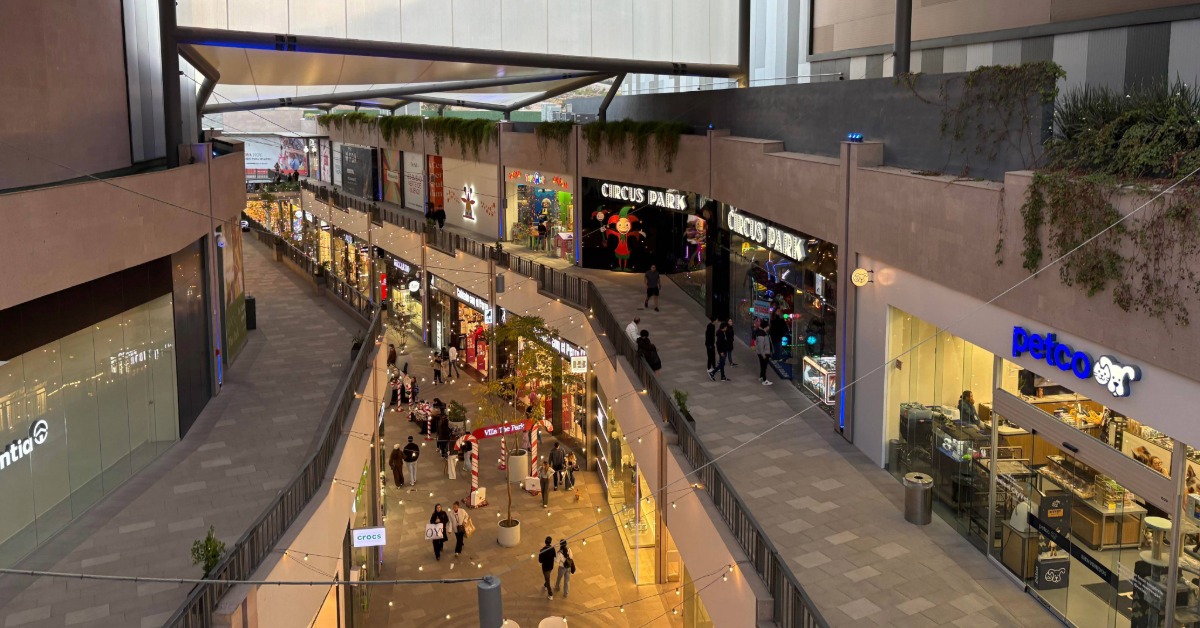
The Market concept goes beyond the traditional concession stand. Cinemex has presented it as a more open, food-led experience, with branded dining options and redesigned lobby space. The recently updated Reforma 222 location in Mexico City is the newest example, and the company says it now has nine complexes under the format.
Cinemex says these sites can push per-visitor spending up by about 35 percent compared with traditional locations. That is the core business point behind the announcement. The company is not simply selling a better seat. It is trying to raise the total value of each outing.
The larger shift in Mexico’s cinema business
This is also a response to streaming. Watching at home is easier, faster, and often cheaper for a household. That means theaters have to sell something harder to replicate in a living room. Bigger screens still matter, but so do comfort, design, and the sense that going out to a movie is an event rather than a routine purchase.
Mexico’s own industry data supports that pressure. The average person went to the cinema about 1.5 times in 2025. The average ticket price reached 73.8 pesos. That combination is important. Attendance remains weak, but the cost per visit continues to rise. Theater chains now have to balance two goals at once: protect traffic and increase spending without pricing out regular customers.
Why this matters beyond Cinemex
The move is also notable because Cinemex is not the market leader. That position belongs to Cinépolis, which still has a larger footprint in Mexico. For Cinemex, that makes format and experience even more important. It has less room to win on sheer scale, so it has a stronger reason to compete on what makes one location feel worth the trip.
For moviegoers, the effect will likely vary by city and shopping district. In higher-income markets, a premium cinema may fit local demand. In other areas, standard formats will still matter more. Mexico is not one moviegoing market. Consumer habits differ sharply by region, price tolerance, and mall culture.
What audiences should watch next
The bigger question is whether this strategy can actually grow attendance, or whether it mainly helps chains earn more from a smaller audience. That distinction matters for the future of exhibition in Mexico. A premium concept can defend margins, but it does not automatically rebuild mass moviegoing.
Even so, Cinemex appears to be making a clear bet. The future of the theater business may depend less on being the cheapest option and more on being the hardest option to replace. For an industry still trying to recover its old audience, that is a significant shift.