A three-day congress in Playa del Carmen is bringing together civil protection and risk management specialists from 13 countries. Officials say the focus is on prevention planning for residents and visitors moving through Quintana Roo year-round. Organizers say the aim is to turn experience into protocols that can be used across the coast. Sessions are set to cover hurricane readiness, urban resilience, and how agencies coordinate as warnings change. The lineup is international, but the questions are local: which risks are rising, and what changes first?
A first international congress for Quintana Roo
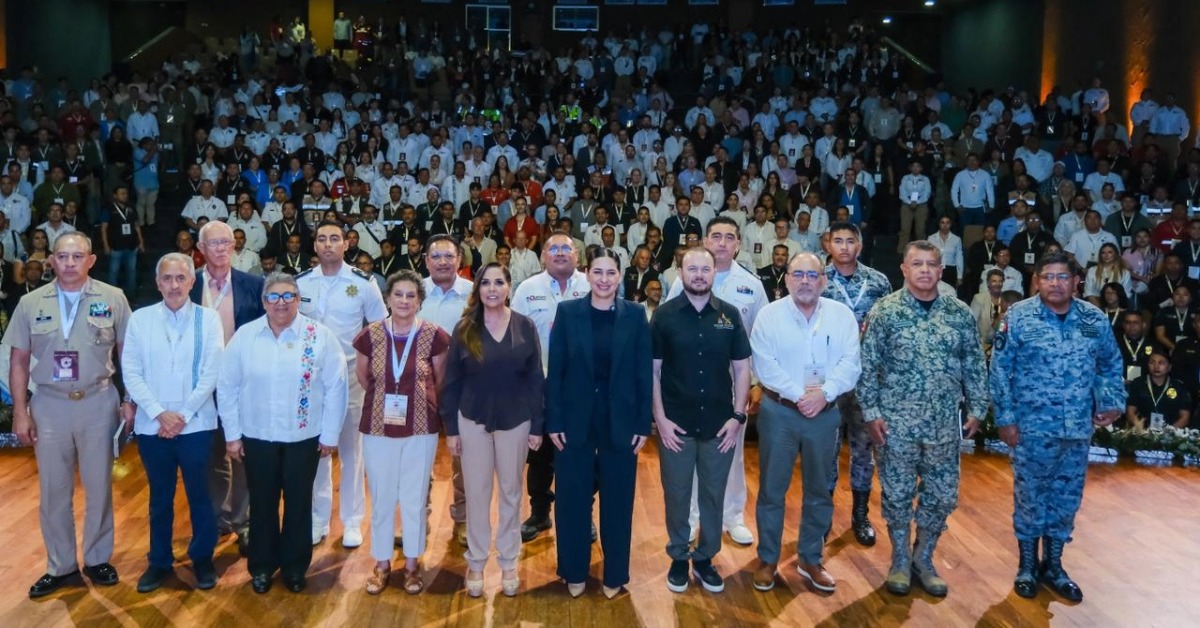
Quintana Roo opened the First International Congress on Civil Protection and Disaster Risk Management on February 25 in Playa del Carmen. The meeting brings together public officials and technical specialists to compare prevention and response practices. Organizers said delegations are attending from 13 countries, along with participants from across Mexico. The congress runs through February 27 at the Teatro de la Ciudad. Officials estimate more than 750 attendees over the three days. Governor Mara Lezama Espinosa inaugurated the opening session. Mayor Estefanía Mercado welcomed participants on behalf of the host municipality. Organizers also expect technical staff from 25 Mexican states and the state’s 11 municipalities. State and municipal leaders described it as a working forum. They said the goal is stronger operational capacity, planning, and decision-making before emergencies escalate. Another focus is coordination between municipalities and first responders. Tourism operators are also part of the discussion in a corridor with large visitor flows. Organizers described it as the first of its kind hosted in Quintana Roo. Organizers said the sessions will share protocols and tools that can be applied across the region.
Why this matters for residents and visitors
The congress arrives as Quintana Roo faces overlapping pressures: rapid growth, dense tourism activity, and seasonal weather risks. Officials said the state receives around 21 million visitors each year across 12 tourist destinations and 11 municipalities. They also cited more than 30 million air passengers moving through four international airports, plus more than 7 million cruise passengers. Those volumes mean that emergency plans must work for residents and for people who do not know local procedures. For many expats, that gap shows up during alert changes, road closures, and shelter announcements. State leaders used the opening session to link preparedness to changing conditions on the Caribbean coast. They pointed to hydrometeorological events that can intensify and shift quickly, including hurricanes and heavy rainfall. They also stressed that emergencies rarely stay confined to a single neighborhood or municipality. That framing puts attention on shared warning systems, interoperable communications, and clear chains of command. In practice, it also raises questions about how hotels, tour operators, and event venues coordinate with civil-protection teams.
What the sessions are expected to cover
Organizers said the agenda is built around risk assessment, prevention protocols, and how institutions train for complex incidents. The program includes 11 speakers, with nine from Mexico and two from abroad. The international guests include Dr. Alonso Brenes Torres and Dr. Allan Michael Lavell, both based in Costa Rica. Municipal officials said sessions will address urban resilience, integrated risk management, and disaster preparedness. The mix of participants reflects that scope. Among the public officials present at the opening were Myriam Urzúa Venegas, who heads Mexico City’s risk-management and civil-protection office. Local authorities also highlighted the involvement of state and municipal civil-protection leadership in Quintana Roo. Delegations from 13 countries are expected, including the United States, the Netherlands, and the United Kingdom. The goal, according to organizers, is to compare methods that can be adapted to local conditions. That includes how warnings are issued, how shelters and evacuations are planned, and how responders coordinate across jurisdictions.
What to watch for as a resident or long-term visitor
For residents, including many long-term foreign residents, the congress is mostly a signal about process rather than immediate rule changes. Officials described the event as a place to align standards before the next major emergency test. That can affect how agencies coordinate with hospitals, schools, hotels, and large public events. Municipal leaders have also tied the congress to Playa del Carmen’s participation in Making Cities Resilient 2030, a United Nations-backed initiative. The platform is coordinated by the UN Office for Disaster Risk Reduction and partner agencies. They said membership can expand training options, peer exchanges, and access to international funding. In the local context, those tools can support risk mapping, clearer response roles, and more consistent drills. The most visible impact for the public would be more consistent public communication when conditions change fast. That includes clearer guidance on sheltering, evacuations, and road access, especially for newcomers. Officials also highlighted the value of shared protocols across the state’s municipalities. For expat communities, consistency can reduce confusion when alerts differ by location. The next test will be whether lessons from the congress show up in updated plans and joint exercises.
With information from Coordinación General de Comunicación de Quintana Roo, H. Ayuntamiento de Playa del Carmen, Secretaría de Gestión Integral de Riesgos y Protección Civil (CDMX)