The killing of Eduardo Ochoa Arias has pushed a local crime story into a wider national question. What first looked like the abduction of one banana businessman now points to a larger problem inside Western Mexico’s farm economy. Security accounts tied to the case describe monthly payments, transport fees, and pressure on workers in one of Colima’s main production zones. The case also echoes a pattern long reported just across the state line in Michoacán, where organized crime has treated agriculture as a revenue source.
A killing that exposed the pressure
The killing of Eduardo Ochoa Arias has turned one abduction case into a wider warning for banana producers in western Mexico. Ochoa Arias, a Colima businessman linked to Ochoa Products, was abducted on March 13 in Cerro de Ortega, a farming community in Tecomán. His body was later found in Boca de Apiza, in neighboring Michoacán, and identified days later.
Security accounts from the region say he had been forced to pay up to 150,000 pesos a week. That adds up to 600,000 pesos a month. The figure matters because it suggests the alleged pressure was not random. It was structured, recurring, and tied to production itself. In other words, this was not only a violent crime case. It was also an alleged extortion scheme aimed at a working agricultural business.
Those same accounts describe a broader model. The payments were not limited to a single owner or a single stage of production. Growers could allegedly be charged for harvesting, packing, and moving fruit through territory controlled by criminal actors. Workers who lead cutting and loading crews were also reported to face fees. Trucks, in turn, allegedly paid another charge just to cross the area. If that structure is confirmed, the target was not just profit. It was the whole chain that moves bananas from the field to the market.
Why the banana corridor matters
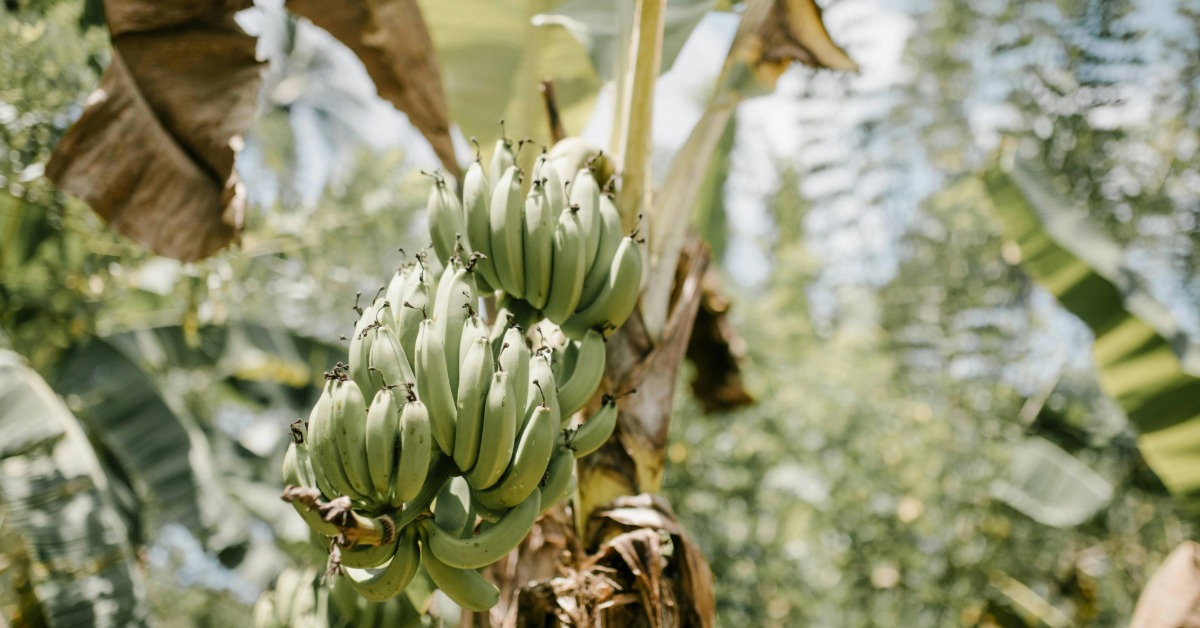
This matters because bananas are not a minor crop in Colima. The state is one of Mexico’s main banana producers, and Tecomán is its key producing municipality. Research on the local value chain places about two-thirds of Colima’s banana output in Tecomán alone. Cerro de Ortega sits inside that productive corridor. When violence and illegal fees reach a zone like this, the impact does not stop with one family or one company. It reaches labor, packing houses, transport, and export logistics.
That is what gives the Ochoa Arias case a broader meaning. It suggests that organized crime may be targeting a productive corridor, not only isolated businesses. In cases like this, the damage is not measured only in ransom-style payments or direct losses. It also appears in delayed shipments, higher transport risk, pressure on smaller growers, and fear among workers with little room to refuse. For international readers, the key point is simple. This is not just about who controls territory. It is also about who can extract cash from legal commerce.
A pattern already visible next door
The pressure described in Colima fits a pattern already documented in Michoacán. There, citrus and avocado producers have spent years denouncing extortion, kidnappings, and killings tied to criminal groups. The issue drew wider attention after Bernardo Bravo, a lime growers’ leader, was killed last October after publicly denouncing the pressure facing producers. That case showed how dangerous it can be to challenge criminal control over the region’s farm economies.
Authorities have also acknowledged the scale of the problem in neighboring Michoacán. In February, state officials said anti-extortion operations had led to 118 arrests and the dismantling of seven criminal bands in the state. Those figures do not prove the same network is operating in Colima in the same way. They do, however, show that officials see agricultural extortion in western Mexico as more than a local rumor. The latest case suggests the pressure on producers is not confined to a single crop or a single state line.
That wider context matters because the Colima-Michoacán border is not only a security boundary. It is also an economic corridor. Fruit, labor, trucks, and money move through it every day. That makes agriculture attractive to criminal groups looking for a stable income. Drug trafficking produces large profits but also high risk. Extortion, by contrast, creates regular cash flow and can be folded into daily business activity. When a group can charge for production, movement, and labor, it is no longer merely threatening the countryside. It is trying to govern the terms of commerce within it.
What authorities still need to answer
Important questions remain open. Authorities have not publicly explained how long these payments may have been in place in the banana sector. They have not laid out how many growers may have been affected. It is also unclear whether the alleged fees were coordinated by one cell or enforced by several groups across the border zone. Those details matter because they define the size of the threat and the kind of response required.
The immediate issue is the killing of Eduardo Ochoa Arias. The larger issue is whether banana producers in Colima are now facing the same criminal business model that has burdened other farm sectors in Michoacán. If so, the problem is no longer only violent crime. It becomes a form of parallel taxation enforced through fear in one of Western Mexico’s productive regions. That is the warning inside this case, and it is why the story matters beyond Colima.