A quiet change in enforcement is coming to the shores of Lake Chapala. Federal water officials are asking cities and towns to help watch the federal zone—the strip of land next to rivers and reservoirs where building rules are stricter. The new arrangement gives local inspectors a clearer role in checking permits, while the federal authority keeps control of the legal process. For residents and investors, the question is simple: what happens when a wall, terrace, or “extension” sits where it should not?
A shared watch over the shoreline
Conagua is moving enforcement closer to the ground in Jalisco. It is targeting federal zones around rivers, dams, and Lake Chapala. Municipal governments will join federal staff in routine monitoring. Local inspectors can visit a site and request permits and supporting documents. They can also report suspected irregular construction. Conagua will keep the federal case and apply national rules. Municipalities will use their own powers over land use and construction. The arrangement is being framed as “shared government” over regulated strips of land. In Jalisco, Conagua’s Lerma–Santiago–Pacífico basin office says 21 cooperation agreements have already signed. Five more are described as in progress. The model is aimed at areas where the shoreline changes rapidly and private works appear quickly. It also gives municipalities a formal role rather than ad hoc requests for help. For residents, the change may show up as more site visits and faster follow-up. Officials say the same approach is intended to scale statewide.
What the federal zone means in practice
In Mexico, the land next to a riverbank or lake can be a zona federal. Under the Ley de Aguas Nacionales, the strip is usually 10 meters wide. It is measured from the highest ordinary water level. That line can be hard to see when water levels shift. It can also vary in narrow channels. Jurisdiction is the key issue. A private deed does not automatically cover work inside the federal strip. Projects there can require federal authorization, in addition to municipal permits. This is where confusion often starts for buyers. A home can be legal on its lot, yet an added wall reaches into the federal strip. The law also allows the federal authority to agree on local custody and maintenance of these zones. That legal hook is what makes shared monitoring possible. It is also why municipal involvement does not replace federal decisions. For shoreline properties, surveys and reference levels often matter.
From inspection to removal orders
The goal is faster action after a complaint. Municipal staff can be the first eyes on the ground. They can check paperwork when a wall, a fill, a terrace, or a new building appears. If the documents do not match the work, they can alert Conagua. Conagua can open a federal procedure and decide whether authorization is missing. If so, it can order work to stop and require removal. Municipalities can also act on violations of local building rules. That can include demolition orders, depending on the case and due process. Two separate files can run in parallel. One tracks the federal zone. The other covers local construction permits. In practice, enforcement often turns on simple questions. Is there a permit for the location? Does the permit match the footprint on the ground? And is the work inside the federal strip or outside it? The new model is meant to align those checks and avoid gaps.
Why Chapala is a focal point
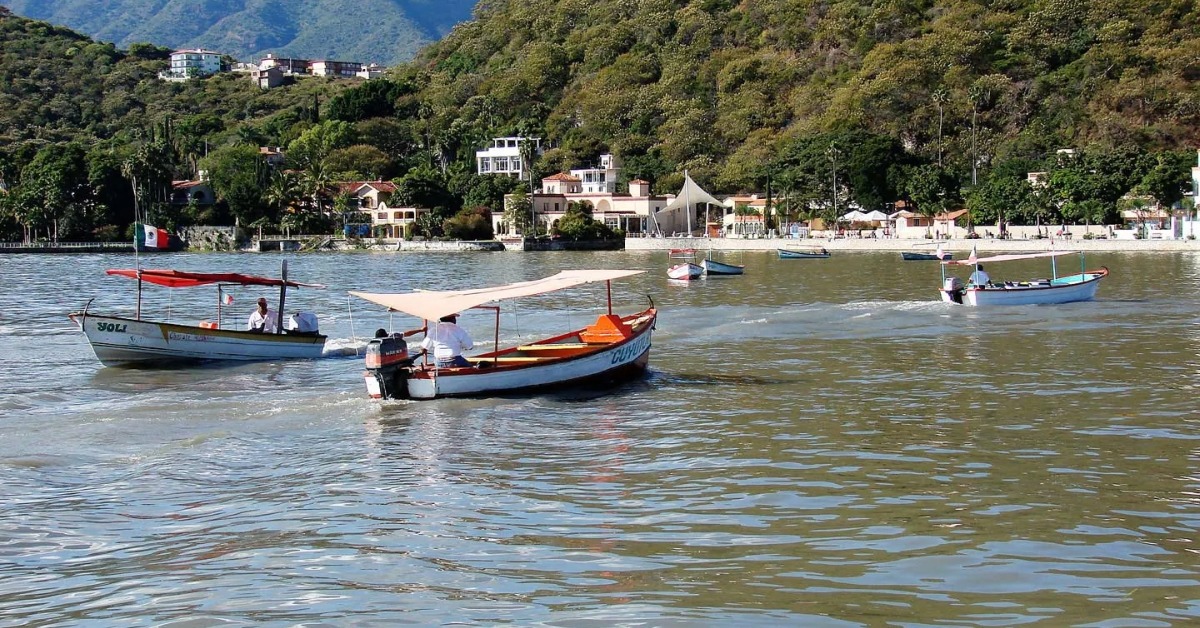
Lake Chapala has extensive development along its shores, and it is also a water source. State water authorities describe it as Mexico’s largest lake. They place most of their surface in Jalisco, with the rest in Michoacán. They also describe it as a primary source of supply for the Guadalajara metropolitan area. That raises the stakes for shoreline encroachment. It can affect drainage, flood exposure, and shore access. In parallel, Conagua is urging municipalities to adopt validated local water plans. Those plans guide investment in drinking water, sanitation, and flood prevention. Officials have linked the planning work to a funding pool close to 1.6 billion pesos for water projects. For foreign residents near the lake, the practical takeaway is paperwork. Before buying or building, ask for proof that a project stays outside the federal strip. It can also help to confirm which permits were issued and which were not. Clear documentation can reduce disputes later, especially when work is close to the waterline.
With information from UDGTV, El Occidental, Ley de Aguas Nacionales, Comisión Estatal del Agua Jalisco, Conagua, acuerdos y convenios