Trash, not just rain, is behind most floods and overflow events in Mexico, according to Conagua. The agency says garbage buildup is blocking waterways and straining key pumping systems, even as crews continue year-round cleanup work in the Valley of Mexico. New 2026 figures suggest the problem has not eased. The warning arrives before the heaviest rains and raises a practical question for cities, neighborhoods, and residents alike: how much flooding is avoidable before storm season begins?
A problem that starts before the rain
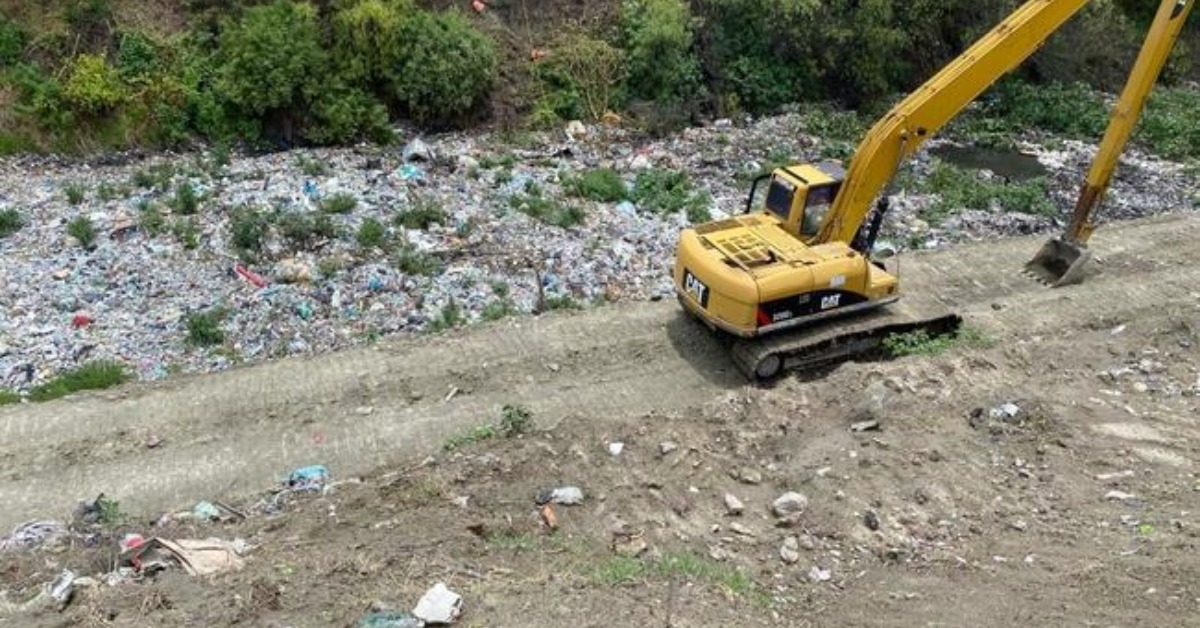
Conagua says the country’s flood problem is often more preventable than it looks. During a March 9 briefing, the agency said that at least 8 of 10 floods and overflow events are linked to garbage accumulation. It said the waste builds up in waterways and hydraulic infrastructure. The point matters because it shifts part of the discussion away from rainfall alone. Heavy rain can overwhelm drains. But blocked channels, clogged grates, and trash trapped in pumping equipment can turn a difficult storm into a disruptive urban emergency. The agency urged people not to throw waste into streets, canals, rivers, or other bodies of water. That message may sound routine, but the latest numbers suggest the problem is growing, not shrinking. In the Valley of Mexico, the drainage network depends on pumping plants, deep tunnels, and constant maintenance. There, waste is not only a sanitation issue. It is also an operational risk that can slow water evacuation and raise the odds of street flooding or sewage backflow.
Cleanup data show the scale
The cleanup data underline the scale. Conagua said it removed 99,699.19 tons of waste in the Valley of Mexico during 2025. It also extracted 726,291.26 cubic meters of silt. A year earlier, the agency reported 56,855.20 tons of trash and 651,258.36 cubic meters of silt. The comparison points to a sharp rise in the amount of material reaching the system. The problem has continued into 2026. So far this year, officials said crews have extracted 112 cubic meters of solid waste, equal to 67.2 tons of garbage. Of that amount, 38.4 tons came from El Caracol and 28.8 tons from La Caldera. Those pumping plants are critical to moving wastewater and storm runoff through deep drainage works. When trash reaches them, it does not stay at the surface. It descends into infrastructure requiring specialized, ongoing removal work.
Why the warning matters beyond Mexico City
Conagua also used the report to show that the issue is not limited to the capital region. Nationwide, the agency said it has carried out seven preventive cleanup and desilting operations in five states so far in 2026. Those actions included work on 759 wells and 62,072 linear meters of drainage lines. Officials said the work will benefit about 56,000 people. The figures suggest a broader federal push to reduce flood risk before peak rains. They also show the cost of treating preventable waste as a maintenance problem. Every meter cleaned and every pump cleared requires equipment, labor, and public funds. That money could otherwise support repairs, expansion, or resilience work. For residents, the warning is practical. Flood risk is shaped by large infrastructure, but also by what enters local drains and waterways each day. What starts on a street can end up in a pumping plant, a drainage tunnel, or a river channel.
Flood prevention is also a behavior issue
The underlying message from Conagua is that flood prevention is not only an engineering challenge. It is also a public behavior issue. Mexico still faces storms, urban growth, and aging infrastructure. None of that disappears with cleaner streets. But the agency’s latest figures point to something more direct. Much of everyday flooding is tied to how waste is handled before it reaches the hydraulic system. That matters before the rainy season, when even moderate storms can expose weak points in drainage networks. It also matters for communities that see the same streets flood again and again. The new data suggest a harder truth. In many cases, the system is being forced to work against avoidable blockages. Keeping trash out of drains is not a slogan. It is one of the most immediate forms of local flood prevention available.
With information from Comisión Nacional del Agua