A predawn federal operation in a Sinaloa stronghold left 11 alleged gunmen dead and one suspected operator in custody. But the detail that pushed the story beyond a routine security report was the brief custody and release of Mónica del Rosario Zambada, identified as a daughter of “El Mayo.” For readers outside Mexico, the episode is about more than one raid. It offers a window into the legal gray areas, factional warfare, and pressure points now shaping violence around Culiacán.
What happened in El Álamo
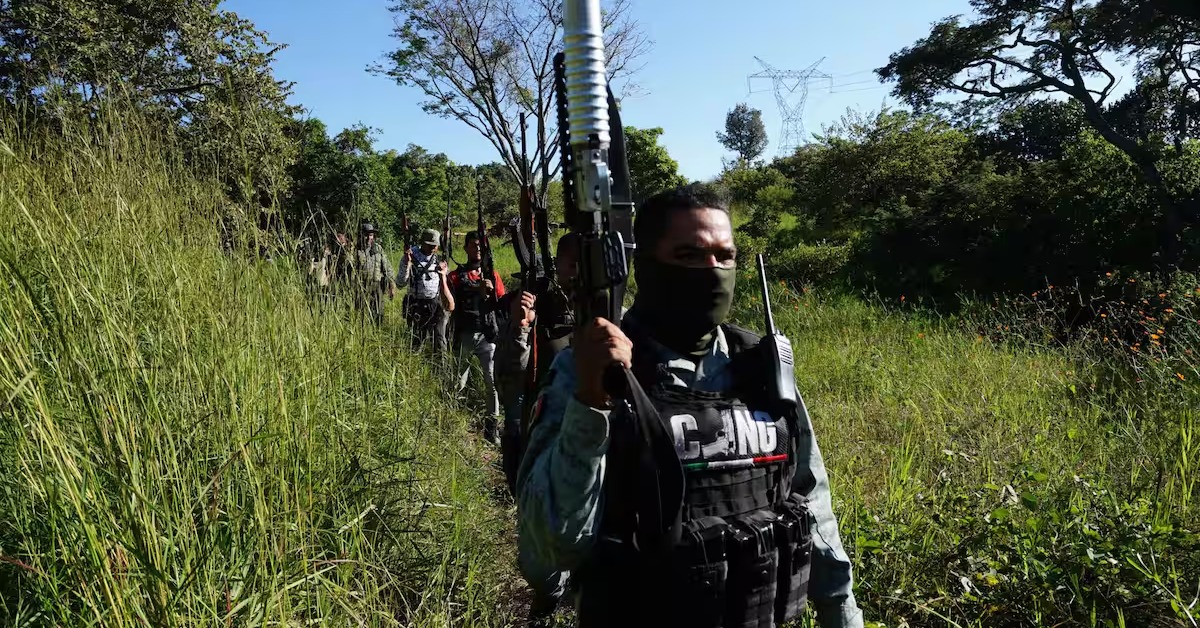
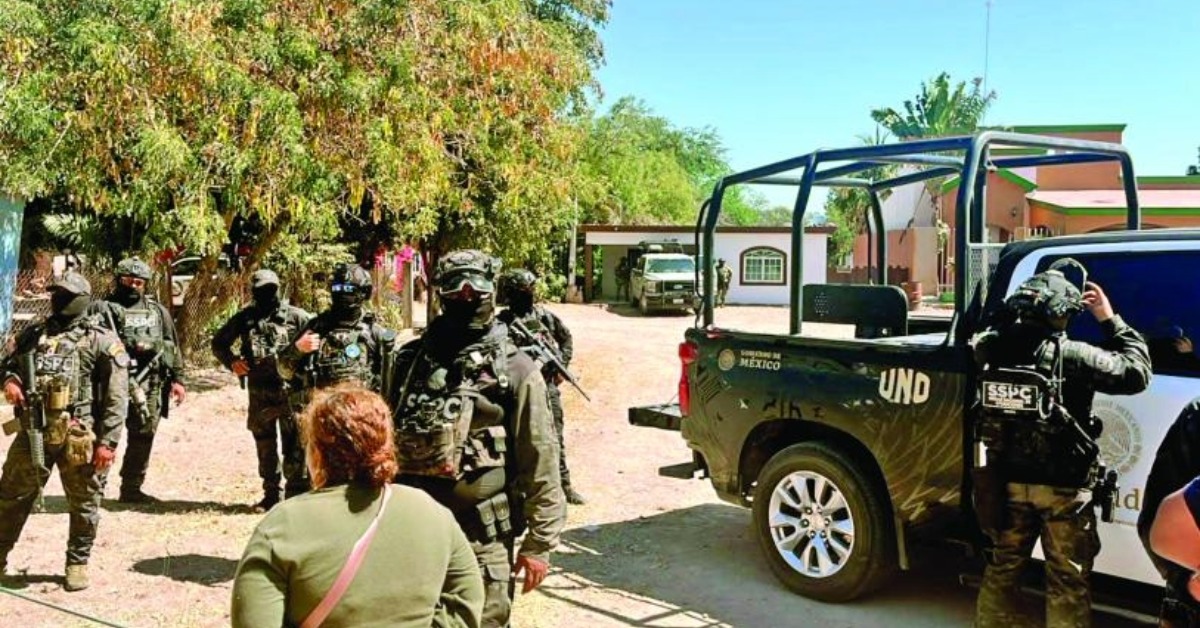
A federal operation in El Álamo, a community south of Culiacán, ended with one arrest and a second, deadlier confrontation. According to federal authorities, Navy personnel and federal security agents moved on a property linked to Los Mayos, the wing of the Sinaloa cartel tied to Ismael “El Mayo” Zambada. There, forces detained Omar Oswaldo Torres Cabada, known as El Patas. Officials identified him as an operator in that faction. Authorities said the mission then extended to another property used by the same group. At that second site, Marines came under fire and returned fire. The official toll from that clash was 11 alleged attackers killed.
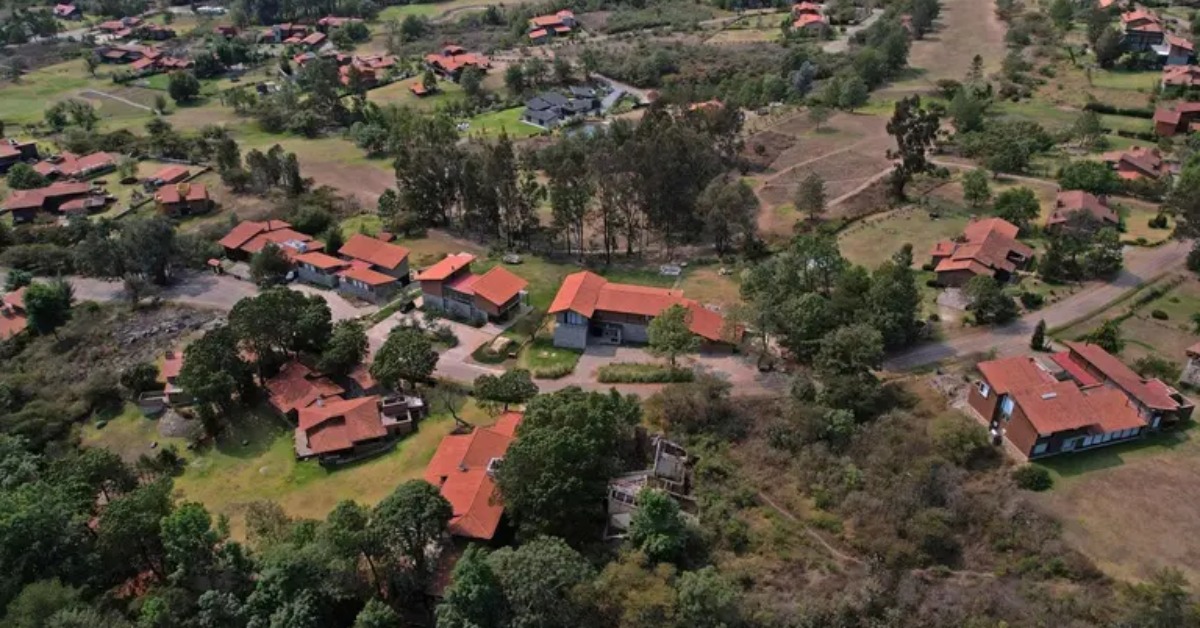
Authorities said they also seized high-powered weapons and tactical gear, and handed the case to the Attorney General’s Office. Local reporting from the area described a large early-morning deployment with helicopters, armored vehicles, roadblocks, and smoke used to clear civilians from the immediate zone. The setting matters. This did not unfold in central Culiacán. It happened in a rural area long associated with the Zambada family. That gave the raid both operational and symbolic weight.
Why the release became part of the story
The story widened because Mónica del Rosario Zambada Niebla, identified in multiple reports as a daughter of El Mayo, was also found at the property. Early local accounts said she and a minor were placed aboard a Navy helicopter and then taken off before it left. The federal government publicly confirmed the narrower point. She was located during the operation and later returned to her relatives. By Friday morning, Security Secretary Omar García Harfuch offered a more precise legal description. He said she was never formally arrested. Instead, she was held briefly under protective custody while authorities verified her status.
That distinction is central to the story. A temporary security hold is not the same as a criminal detention. Harfuch said she had no arrest warrant in Mexico or the United States, so agents had no legal basis to keep her once the checks ended. The point may confuse international readers. U.S. Treasury records have linked her since 2007 to a sanctions case involving companies allegedly used by her father’s network. But a sanctions designation abroad does not automatically become an arrest order in Mexico. That helps explain why a brief custody period ended in release.
Why this raid matters now
This was not just another violent day in Sinaloa. The operation hit territory closely linked to La Mayiza, the faction loyal to El Mayo, and to relatives and close associates. The broader backdrop is the cartel’s internal war with Los Chapitos, the sons of Joaquín “El Chapo” Guzmán. That rupture deepened after El Mayo was taken to the United States in 2024. By the start of 2026, Sinaloa was coming off its most violent year in more than a decade. Every federal incursion into this landscape now carries political, tactical, and symbolic consequences.
For the federal government, the raid signals continued pressure on entrenched criminal networks around Culiacán. For the public, it raises a familiar question. What exactly happened at the second property where the deaths occurred? Authorities say naval forces were attacked and acted within the law when they returned fire. That may prove correct. Even so, the official account will face scrutiny. Operations with 11 dead and no publicly reported officer casualties draw immediate attention in Mexico. The identities of those killed have not yet been publicly detailed.
What to watch next
The next test is whether authorities move beyond the headline and provide detail. Readers should watch for any formal charges against Torres Cabada, any public identification of those killed, and any fuller explanation of the second property and the weapons seized. They should also watch whether the government continues to use the language of protective custody rather than detention to describe Mónica Zambada’s role in the event. That wording is not semantic. It shapes how the public understands both the legality of the raid and the credibility of the official narrative.
For readers outside Mexico, this episode is a reminder that violence in Sinaloa is not only about one cartel fighting the state. It is also about internal fractures, family networks, local strongholds, and the legal gaps that appear when a person is well known but not currently wanted. The confirmed facts are narrower than the rumors. A predawn federal raid in a Zambada stronghold led to one arrest, 11 reported deaths in a later clash, and the brief custody and release of a cartel leader’s daughter. That combination made it a major security story in Mexico this week.