The fire drew national attention. The spill changed the story. What began as an industrial emergency near Dos Bocas has become a test of how well authorities can protect nearby waterways, fishing grounds, and communities that depend on them. Containment crews moved quickly after hydrocarbon residue was found near Río Seco, but the bigger question remains unsettled. How much risk did the spill pose beyond the refinery zone, and what does that mean for one of Tabasco’s most sensitive coastal areas?
The story moved beyond the refinery fence
The latest Dos Bocas incident is no longer only about a fatal fire near a major refinery. It is now also about what reached the water and how far authorities had to go to stop it. After the March 17 fire outside the Olmeca refinery, officials later confirmed the presence of hydrocarbon residue in waterways near the port area in Paraíso, Tabasco. That triggered a cleanup operation aimed at containing the spill and preventing further spread.
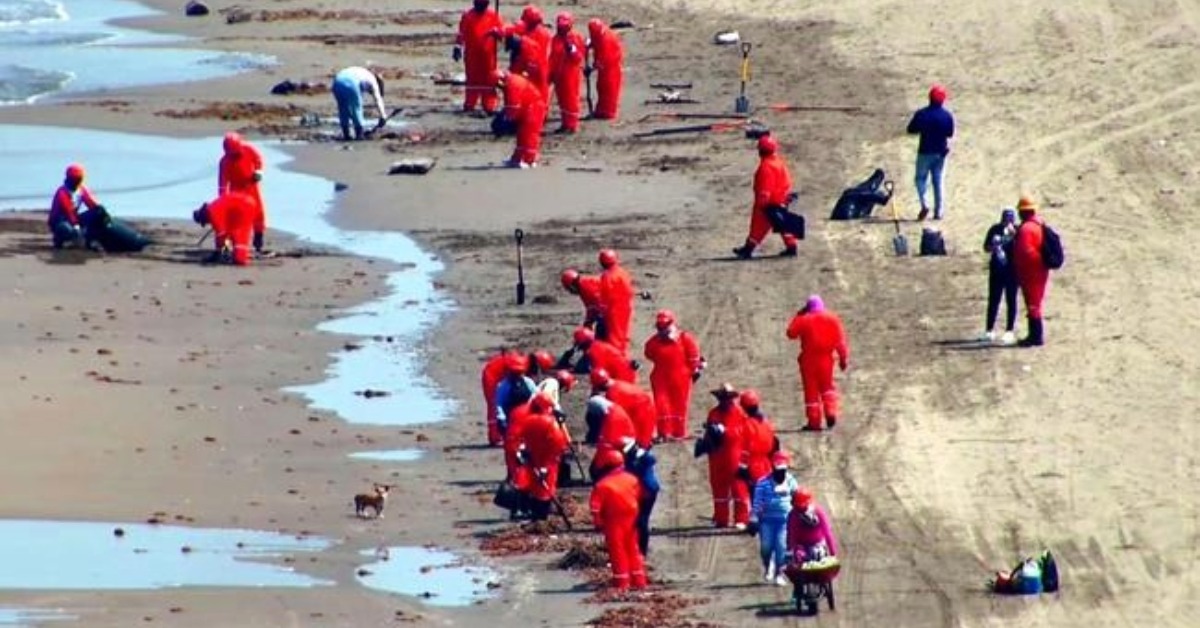
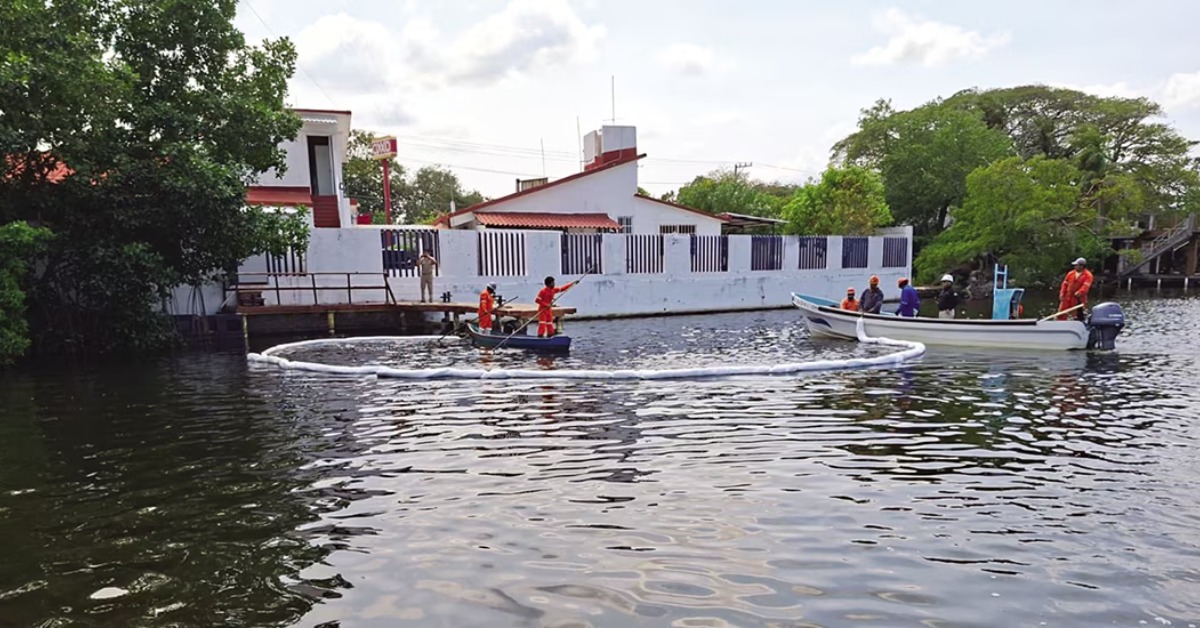
The official response centered on Río Seco, a channel near the complex, where authorities installed barriers and absorbent material to trap oil residue. Cleanup crews also began collecting contaminated waste and monitoring nearby water systems. The emphasis quickly shifted from the fire itself to the possible environmental fallout. That shift matters because once hydrocarbons move into shallow-water systems, the issue expands beyond industrial safety to environmental protection, fishing activity, and public confidence.
Why Río Seco and laguna Mecoacán matter
The water bodies mentioned in the response are not technical footnotes. They are the heart of why this story matters to people outside the energy sector. Río Seco is part of a network of coastal waterways that connect industrial zones to ecologically important areas. Authorities said the cleanup was designed to keep residue from reaching Laguna Mecoacán, a lagoon system with environmental and economic value for the region.
For readers who are not familiar with Tabasco, this is where the story becomes easier to understand. A spill near a refinery can sound contained and distant. A spill that threatens connected waterways is different. Coastal lagoons support fishing, wildlife, and local communities that depend on clean water. Even when officials say the damage is being contained, nearby residents and workers usually want more than reassurance. They want to know what entered the water, how much was recovered, and whether long-term monitoring will follow.
A spill with consequences for local livelihoods
The strongest second angle on this story is not only what burned. It is what may have been put at risk afterward. The government said the cleanup was aimed at protecting marine ecosystems and fishing communities near the affected area. That language is significant. It shows the response was shaped not only by the presence of oil residue but also by concern for who lives and works around those waters.
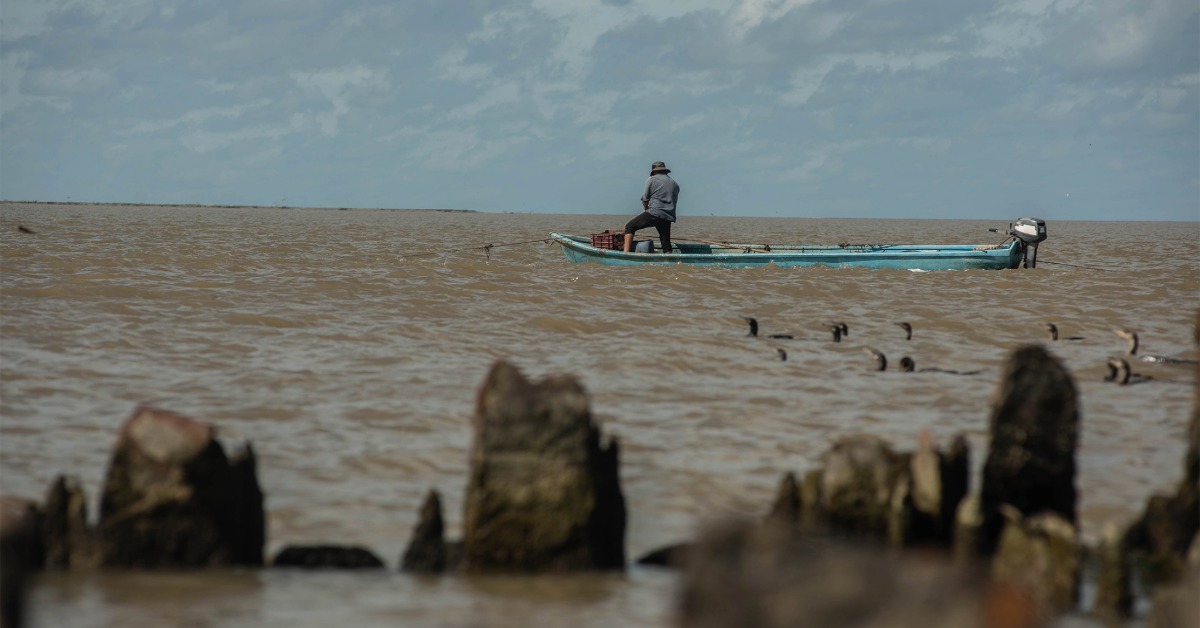
This part of Tabasco is tied to both industry and fishing. Those two realities often sit side by side, uneasily. When a refinery incident spills into nearby water systems, people outside the energy sector can still bear the consequences. Restrictions on navigation, fears about contamination, and uncertainty around water quality can all affect local activity. Even when the physical spill appears limited, the economic and social effects can stretch further. For fishing communities, uncertainty alone can become part of the damage.
What officials say happened
According to Pemex, the chain of events began when heavy rains caused oily water to overflow outside the refinery perimeter. That material later ignited, leading to the fatal March 17 fire. Pemex has said the main storage area was not damaged and that the fire occurred outside the refinery fence. In the days that followed, hydrocarbon residue was reported in the surrounding area, prompting a larger containment and cleanup effort.
Federal authorities later said contaminated waste had been collected during the operation. Reports also said personnel and equipment were increased as cleanup continued. At that point, the public story changed. It was no longer only about the origin of the fire. It became about the effectiveness of the response and whether safeguards were strong enough to stop runoff, residue, or industrial waste from reaching nearby waters in the first place.
The bigger question for Dos Bocas
This incident matters more because of where it happened. Dos Bocas is one of Mexico’s most important energy projects. The Olmeca refinery was built as a flagship part of the country’s fuel strategy. That gives every incident there a wider meaning. A spill near a smaller facility might remain a local story. At Dos Bocas, it becomes a national test of how Mexico manages risk around strategic infrastructure.
For international readers, the broader point is simple. Big energy projects are judged not only on production targets but also on safety and accountability. When authorities are forced to deploy barriers, absorbent equipment, and inspection teams near connected waterways, the public will ask whether the preventive systems were good enough. A fast cleanup can reduce damage. It does not, by itself, answer whether the event should have been preventable.
What comes next
The next stage of this story will depend on inspections and findings, not on cleanup photos. Profepa has been involved in reviewing the environmental response, while ASEA requested a site inspection and a root-cause investigation. That is where the case’s long-term importance will be decided. Authorities will need to determine not only how the spill was managed, but why the sequence of overflow, fire, and water contamination was possible.
That makes this more than a one-day refinery story. It is now a story about oversight, transparency, and trust in the systems meant to protect surrounding communities. If investigators conclude the safeguards worked, officials will need to show that clearly. If they find failures, the pressure will shift to what changes must follow. Either way, the most important audience may not be investors or political allies. It may be the people living and working along the waters that officials are still trying to protect.