A new internal report by INAH specialists raises questions about how prehispanic buildings were moved and rebuilt in a park in Chetumal. The document points to altered stone sequences and changed orientations at Parque Báalam Tun, a “Parque de la Memoria” tied to the Tren Maya. Authorities reject the claim and say that each block was logged and reassembled in accordance with accepted standards. What does the report describe, what does INAH say in response, and what public steps are now being requested?
A new park built from Tren Maya salvage finds
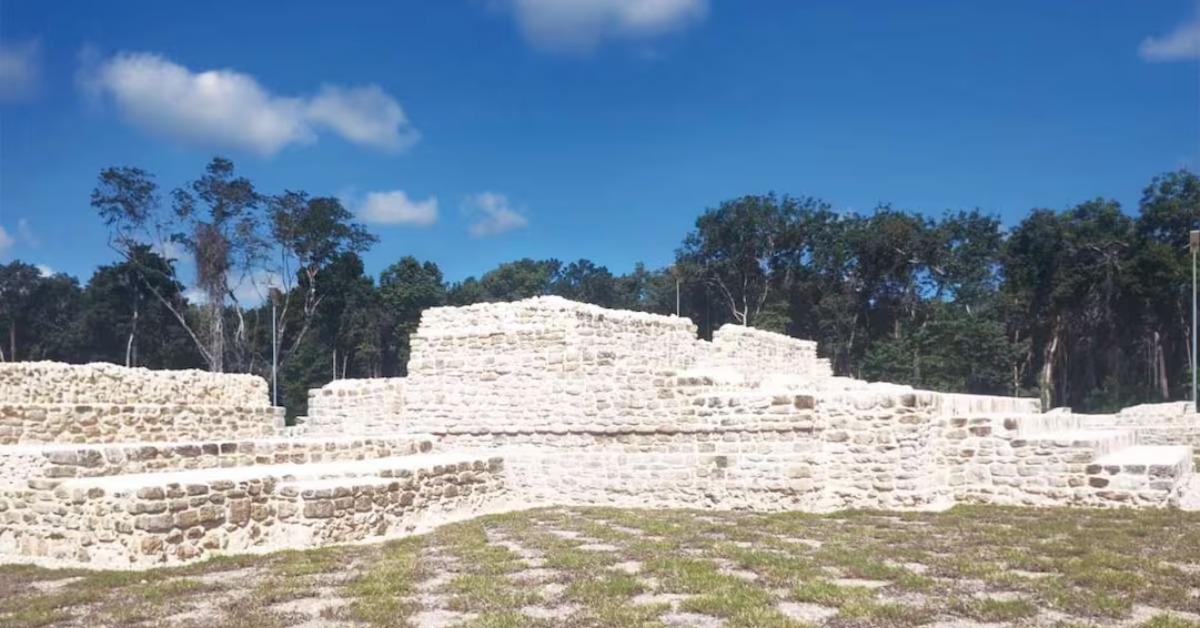
A dispute involving INAH (Instituto Nacional de Antropología e Historia) is focusing on Parque Báalam Tun in Chetumal, Quintana Roo. The site is designed to display prehispanic Maya structures that were moved during Tren Maya construction. In 2025, INAH described relocating 36 monuments to Báalam Tun and 12 to K’awiil, in Xpujil, Campeche. Separate expert critiques and a later technical report refer to 47 structures, creating an unresolved count. Official communications place Báalam Tun inside the Parque Quintana Roo area of the state capital. According to INAH, the project was coordinated with the state government and the Secretariat of National Defense (SEDENA). The approach follows a salvage model: excavate, document, and, in some cases, relocate remains at risk. Supporters say this can widen access to finds that would otherwise stay off-limits. Critics argue that relocation can erase context and create reconstructions that blur what is original. That tension is now concentrated on how stones were handled, and on whether the rebuilt forms match the originals.
What the expert report alleges
The latest claims come from a technical report prepared in November 2025 by an internal commission of INAH archaeologists. The commission was initially formed by Sergio Gómez Chávez and Jesús E Sánchez. The findings were presented on February 23, 2026, in a heritage seminar coordinated by researcher Bolfy Cottom. Across about 20 pages, it compares field images with the park’s current layouts. The report focuses on 47 prehispanic buildings whose stones were moved to form new structures at Parque Báalam Tun. It links the materials to three origin sites near Juan Sarabia, González Ortega, and Francisco Villa, along Tren Maya tramos 6 and 7. In the report’s description, façades were stripped of stones while cores and cultural fills stayed in place. It says the rebuilt walls do not match the recorded stone order and show a changed orientation. It also states that ancient masonry was combined with modern materials during reassembly. The authors argue the removal was avoidable because several remains were outside the track footprint. They warn that the exposed original cores now lack protection and point to federal rules governing the relocation of monuments.
INAH disputes damage and cites technical controls
INAH has rejected the claim of archaeological damage at Báalam Tun. In a February 24, 2026, statement, it said the work followed the Federal Law on Monuments and current technical guidelines. INAH also said that each relocation project is based on technical opinions and has the Council of Archaeology’s approval. It maintained that transfers occurred only after excavations were completed and contexts were fully recovered. The institute said teams created extensive graphic records, including drawings, photogrammetry, 3D scans, and LiDAR. With that record, INAH argues, each stone can be reinstalled in the reverse sequence of its extraction. Earlier INAH bulletins described the Báalam Tun work as a joint effort with SEDENA and the Quintana Roo government. Those bulletins cited international conservation references, including the Venice Charter, and past relocations such as Abu Simbel. INAH’s position is that relocation is a last resort when preservation in place cannot be guaranteed. The dispute now turns on whether that standard applied here, and on how the documentation will be shared.
A proposed public debate and the open questions
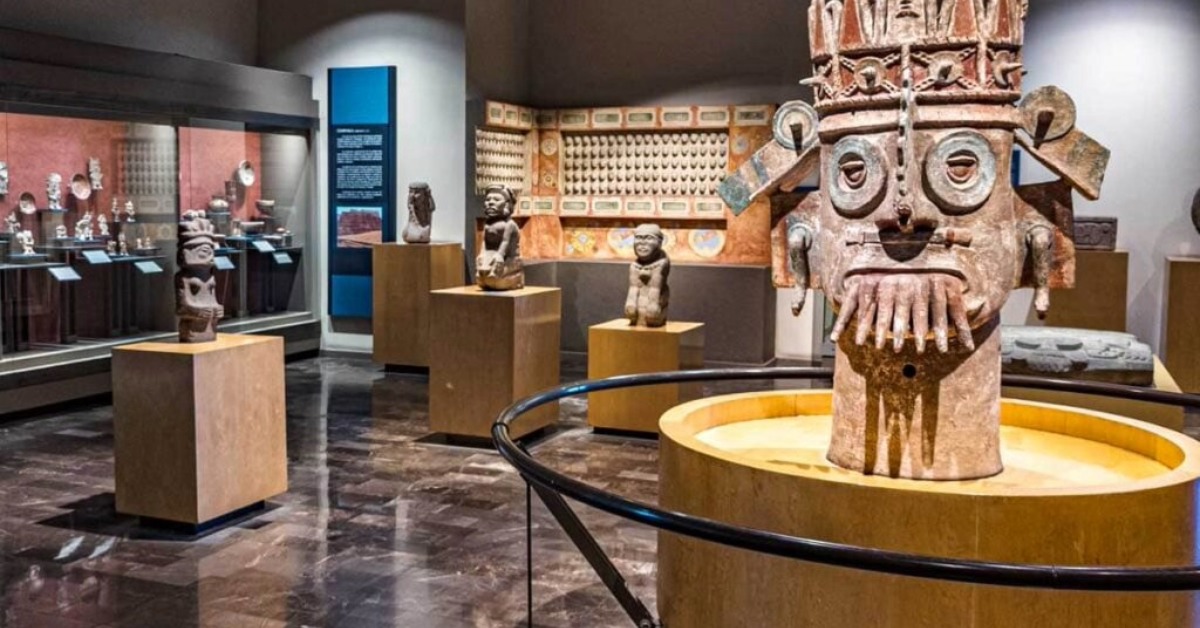
The disagreement has moved from a seminar discussion to a request for a public accounting. On March 2, 2026, four INAH researchers issued a signed statement challenging the institute’s denial. They said the official response did not name an author, and they asked responsible officials to present records. The statement calls on former director Diego Prieto, salvage coordinator Manuel Pérez Rivas, and archaeology council president Laura Ledesma Gallegos. It also names the current INAH director, Joel Vázquez Herrera, as a key participant in any discussion. The group proposed a public debate on March 17, 2026, at the National Museum of Anthropology in Mexico City. They argue that the core question is not only relocation but also whether the work preserved each structure’s sequence and orientation. They also ask who financed the construction and what role, if any, the military played on site. Separately, the technical report says the original locations were left exposed, raising custody and security issues. INAH has said it is open to clarifying the work with documentation, but no debate date has been confirmed.
For residents and visitors, the dispute is about what authenticity means in a public archaeological display. A relocated structure can preserve stonework, while changing its relationship to terrain and nearby features. Those relationships are part of the evidence archaeologists use to date, compare, and interpret sites. INAH’s model emphasizes documentation and controlled reassembly to keep that information in the record. The commission report argues that the reassembly itself may have altered the record by mixing stones and shifting alignments. If the debate proceeds, a practical test will be the release of field logs, mapping, and approval documents. In Mexico, INAH is the federal authority that authorizes such interventions. Another issue is long-term stewardship of the original locations, if portions remain exposed and unguarded. The outcome could shape how future Tren Maya mitigation projects present findings to the public. For now, the controversy centers on Báalam Tun and on how oversight is documented.