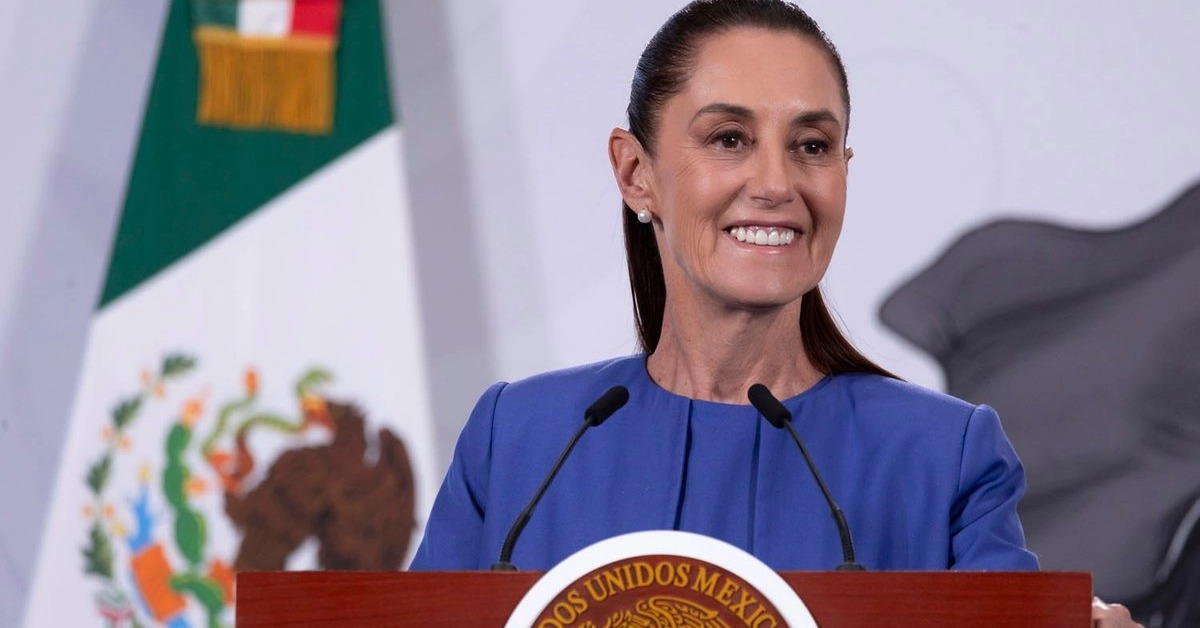

Mexico’s federal government says more help is coming for 61 municipalities flagged as security priorities. After a meeting at the Palacio Nacional, mayors left with promises that go beyond policing. The package focuses on public works, schools, sports facilities, and social programs, all aimed at reducing crime and fear. The bigger question is whether that support will move fast enough in places where insecurity still shapes daily life. Results are supposed to come under review before the year ends.
Federal backing moves beyond police action
Mexico’s federal government says 61 priority municipalities will receive added support after a meeting in Palacio Nacional with mayors from some of the country’s high-violence urban areas. The offer was not limited to police coordination. Local officials said the package includes infrastructure, social programs, and direct support from officials tied to 17 federal agencies. The stated goal is twofold. Officials want to lower crime rates. They also want to reduce the perception of insecurity that still shapes daily life in many cities. That point matters because fear often lingers after crime indicators improve. The projects discussed include new schools, sports and cultural spaces, better lighting, and safer public corridors. Federal officials also assigned liaisons for each municipality. That gives local governments a direct channel to the agencies involved. The government says the plan will run through the rest of 2026. Results are due for review at year’s end. The meeting now creates a clear test of whether social spending and urban works can produce measurable security gains on the ground.
Why these municipalities made the list
The municipalities were not chosen only for violent crime. Federal officials said the list also reflects gaps in education, culture, and sports. The government links those gaps to weaker local conditions and higher risk. That places the new support inside the broader National Security Strategy. The strategy combines crime control with efforts to address the causes of violence. Officials describe it through four tracks. Those are attention to root causes, stronger federal forces, more intelligence and investigation, and closer coordination with states and municipalities. The March 10 meeting appears to be the next step. Since November 2024, the federal government says it has worked in these same 61 municipalities across 12 states. Actions have included home visits, peace fairs, local committees, and the recovery of public spaces. What is new now is the promise of extra projects and closer follow-up with mayors. That gives municipal governments a larger role. It also increases pressure on them to show local results.
Why residents should watch what happens next
The federal push also arrives alongside improving national homicide figures. Nationally, the government says daily homicide victims fell from 86.9 in September 2024 to 48.8 in February 2026. That made this year’s February the lowest for that month in a decade. At the same time, official survey data show that 63.8% of adults still considered their city unsafe in December 2025. That gap helps explain the focus on things residents can see and use. The plan is not only about arrests or troop deployments. It is also about better-lit streets, safer routes, schools, sports centers, and cultural spaces. Those steps may not change a crime map overnight. They can still change how a neighborhood functions. Several of the targeted municipalities are major border, tourist, and metro hubs. For expats and other readers, that is the practical angle. The key question is whether the promised support translates into funded projects, visible work, and lower crime in the most entrenched areas of insecurity. The government has set the end of 2026 as the first clear checkpoint.
With information from La Jornada, Gobierno de México, Secretaría de Gobernación, INEGI ENSU