Guadalajara is getting more than a food industry gala. By landing Mexico’s 2026 Michelin Guide ceremony, the city also becomes the public face of Jalisco’s entry into one of the world’s most influential travel and dining brands. That matters for restaurants, hotels, tourism operators, and travelers trying to understand how Mexico’s food map is changing. The ceremony is set for May 20. The bigger question is what this says about where Michelin and Mexico are heading next.
Why the announcement matters
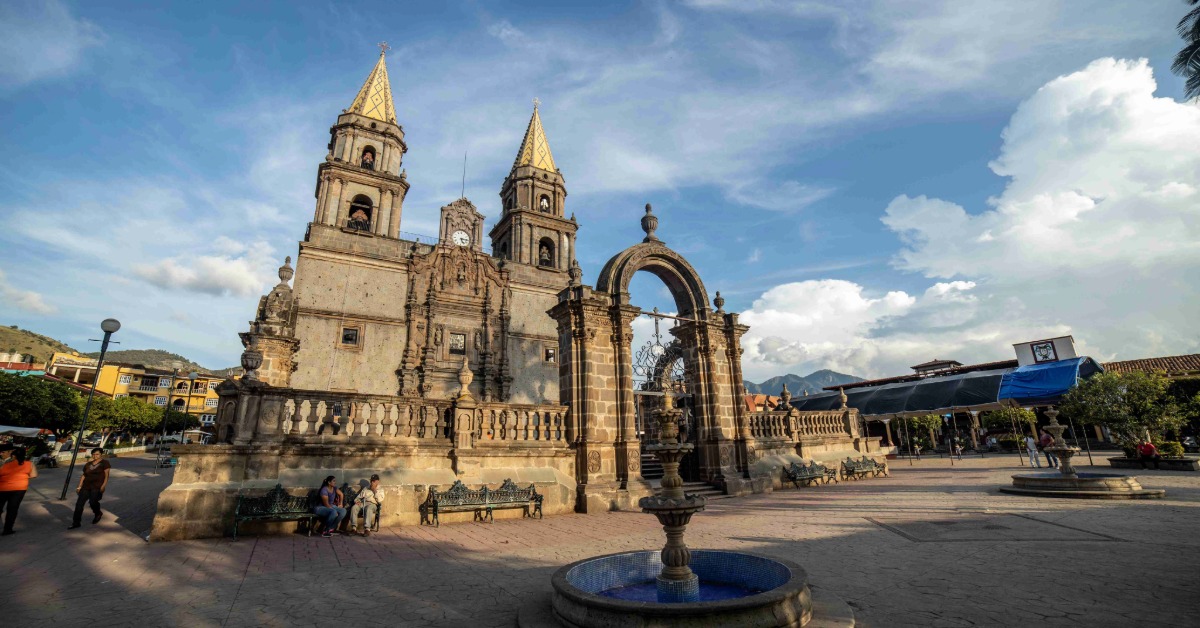
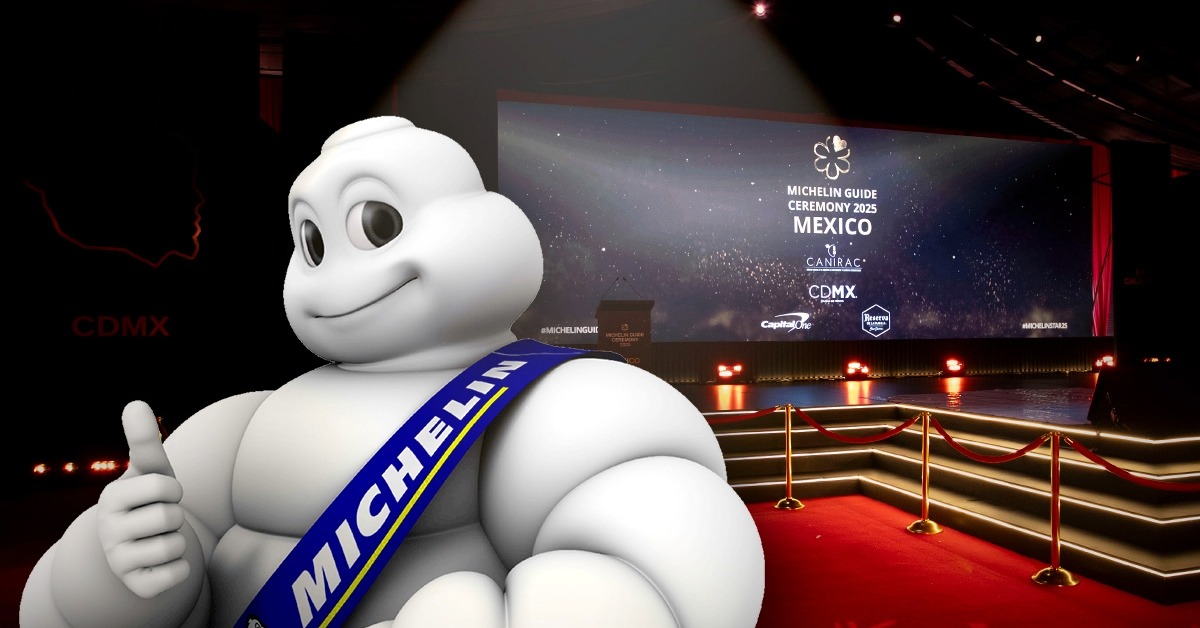
Guadalajara will host the 2026 Michelin Guide Mexico ceremony on May 20. The event gives Jalisco the public stage for one of the world’s best-known dining brands. The announcement matters because the ceremony is not just an awards night. It also marks the year that Jalisco joins the Michelin Guide’s Mexico selection. That puts restaurants across the state under a new level of international scrutiny. For Guadalajara, the event is a visibility win. For Jalisco, it is also a tourism and branding play. Officials are targeting travelers, chefs, investors, and media who use Michelin as shorthand for culinary credibility.
The timing gives the announcement even more weight. Michelin confirmed that this will be the first time the Mexico ceremony is hosted in Jalisco. That shifts the spotlight away from the capital after the 2024 and 2025 ceremonies were staged in Mexico City. It also arrives as Guadalajara prepares for the 2026 World Cup, another event that will put the city on the international calendar. In that sense, the Michelin ceremony fits a wider strategy. Jalisco is trying to present itself as a state that can weave food, culture, and tourism into a single connected story.
Why this matters beyond fine dining
For many readers, Michelin still suggests expensive tasting menus and hard-to-book dining rooms. That is part of the picture, but not the full one. In Mexico, the guide has already shown it can shape travel choices well beyond luxury restaurants. Tourism officials and industry groups say Michelin’s attention can raise a destination’s profile. They also say it can increase visitor spending and create spillover for businesses outside the dining room. That includes hotels, transportation, suppliers, farmers, fishers, and local producers. A Michelin ceremony brings media exposure. A Michelin listing can bring a longer tail of traveler interest.
That broader effect helps explain why Jalisco has pushed so hard for the recognition. The state is selling more than a single city meal. It is selling Guadalajara and the Tequila landscape. It is also selling Puerto Vallarta, local traditions such as birria and tortas ahogadas, and products with strong identity such as tequila and raicilla. Officials are also framing gastronomy as part of a longer tourism strategy. 2027 has already been designated as a year focused on the subject. For international readers, that matters because the ceremony is really about positioning Jalisco as a place to visit, not only a place to dine.
What the Michelin Guide actually rewards
The Michelin Guide is often reduced to stars, but its system is broader and more practical than that. Inspectors visit anonymously and pay their own bills. Restaurants are judged on five core criteria. These are ingredient quality, technique, harmony of flavors, the chef’s voice in the food, and consistency over time and across the menu. Stars are awarded for the cooking itself, not for decor or luxury. A Bib Gourmand highlights places offering strong value. A Green Star recognizes restaurants focused on sustainability. The guide also includes recommended restaurants and special awards.
That matters in Mexico because the guide has already shown it is willing to look beyond formal fine dining. When Michelin launched in the country in 2024, it covered Mexico City, Oaxaca, Baja California, Baja California Sur, Quintana Roo, and Nuevo León. The debut selection included both high-end restaurants and more casual formats. One of the biggest talking points was a star for Taquería El Califa de León. That helped challenge the idea that Michelin recognition belongs only to white-tablecloth dining. For readers outside Mexico, that is an important detail. The guide is not only judging the price or the ceremony. It is judging the food.
A larger shift in Mexico’s food map
The Guadalajara ceremony matters most because it comes with broader implications. Michelin announced this month that Jalisco, Puebla, and Yucatán will be added to the Mexico selection in 2026. That means this year’s event is not simply a repeat of earlier ceremonies. It is a reshaping of the national map. Jalisco restaurants are being evaluated for the first time, and the public reveal will show how the state stands up under Michelin’s standards. The outcome could affect how travelers build future trips, especially those who increasingly use food as a reason to choose one destination over another.
It also gives Guadalajara a different role in the national story. The city is no longer just a large market with a strong restaurant scene. It is becoming the stage for Michelin to explain its next phase in Mexico. That can benefit Guadalajara directly, but it also gives surrounding destinations more visibility. State officials have been explicit that the evaluation is not limited to the metropolitan area. The broader message is clear. Jalisco wants to be seen as a full-spectrum culinary destination. Urban restaurants, regional traditions, beach tourism, and agave culture are all part of the same pitch.
What to watch on May 20
The ceremony itself will answer several questions. The first is which restaurants will join the guide, and which will earn Stars, Bib Gourmands, Green Stars, or recommended status. The second is whether Jalisco’s reputation converts into Michelin recognition on day one. The third is how much the event changes the way international audiences talk about Guadalajara. Hosting a ceremony does not guarantee awards or lasting tourism gains. But it does create a moment that can reset perception, especially when it is backed by a brand with global reach.
For expats and other international readers in Mexico, the story is worth following for a simple reason. Michelin is not just validating restaurants. It is helping define which places become reference points for future travel. Guadalajara has now secured that spotlight, at least for one night. The bigger test comes after the ceremony. If the event turns attention into bookings and new visitors, the effect will be clearer. Stronger recognition for restaurants across Jalisco would make this less symbolic and more like a meaningful shift in how Mexico’s food economy is marketed abroad.
With information from MICHELIN Guide