A new holiday forecast puts Mexico’s Holy Week spending above 300 billion pesos. That figure is about more than beach getaways or hotel nights. It points to a broader surge in travel, faith-based events, meals, transport, and neighborhood commerce. For readers outside Mexico, the story helps explain why Holy Week functions as both a religious season and a major domestic vacation period, with effects that reach from pilgrimage sites and historic centers to airports, bus stations, restaurants, and small family-run businesses.
A holiday season with national reach
The forecast comes from Concanaco Servytur, which says Holy Week 2026 could generate more than 300 billion pesos nationwide. The group links much of that activity to religious tourism, but the effect reaches beyond churches and sanctuaries. It touches hotels, restaurants, transport, markets, and small family businesses. In Mexico, Holy Week is not only a religious observance. It is also one of the country’s biggest domestic travel periods.
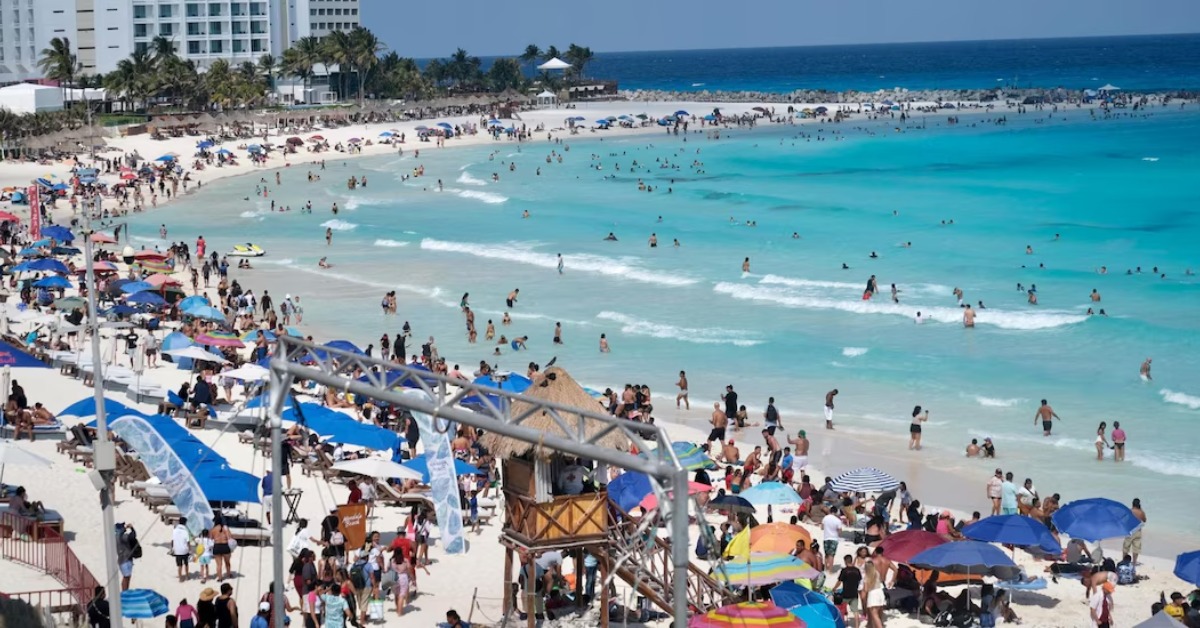
For international readers, that matters. Holy Week in Mexico is both a season of faith and a vacation window. Public schools are scheduled to be out from March 30 to April 10. Families often travel together during those days. Federal tourism officials expect more than 4 million tourists between March 29 and April 12. That helps explain why the forecast is so large. The movement is national, not limited to beach towns or big cities.
Why the number is so large
The 300 billion peso figure appears to cover far more than hotel nights. A recent federal estimate for the holiday period put revenue from tourists staying in hotels at about 55.89 billion pesos. That suggests the chamber’s forecast measures a wider commercial chain. It likely includes spending on fuel, bus tickets, tolls, food, souvenirs, guided visits, and neighborhood retail. In short, it points to the full holiday economy, not only formal tourism sales.
That broader reading fits Mexico’s recent tourism data. According to INEGI, tourism accounted for 8.7% of national GDP in 2024. Some of the largest components were lodging, passenger transport, and restaurants, bars, and night venues. When holiday travel rises, those sectors move together. So do many smaller businesses that depend on seasonal foot traffic. That is why a holiday rooted in tradition can have such a wide commercial footprint.
Why religious travel still matters
Mexico’s religious tourism base is large enough to matter on its own. Concanaco says around 40 million people take part in pilgrimages to major sanctuaries each year. It also says religious tourism generates more than 25 billion pesos annually. The clearest example is the Basilica of Guadalupe, which draws around 20 million visitors a year. In Mexico City alone, visits tied to the first half of December generate about 2 billion pesos, according to the chamber. Those figures help explain why business groups watch Holy Week so closely.
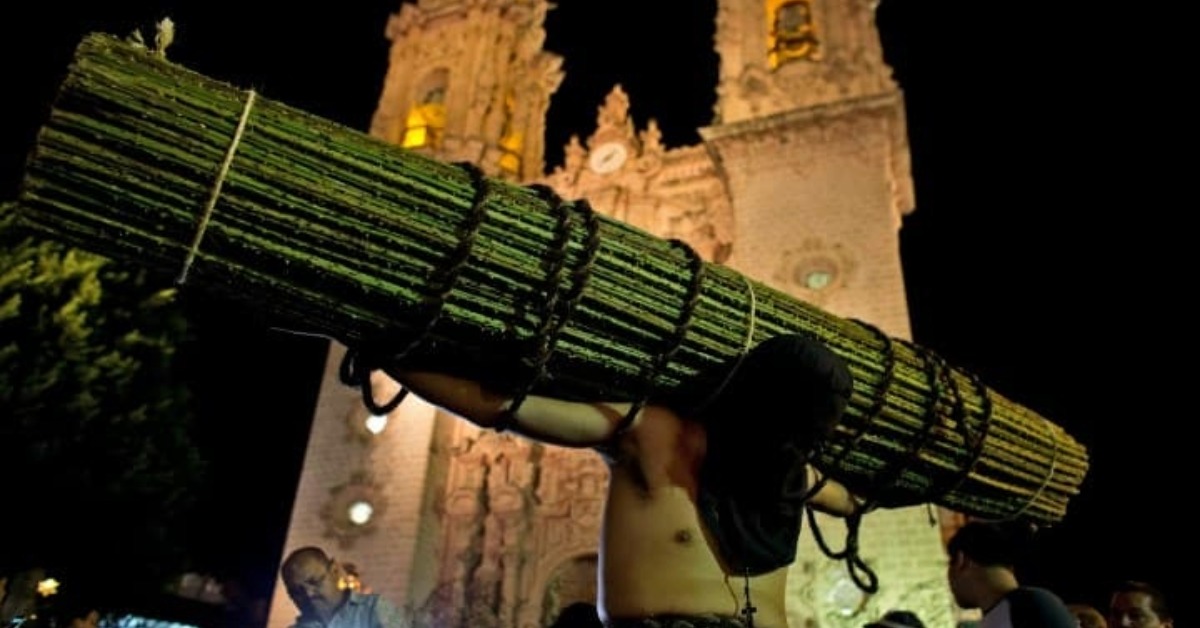
This year, the cultural backdrop is also stronger. In December 2025, the Iztapalapa reenactment of the Passion of Christ was added to UNESCO’s list of Intangible Cultural Heritage of Humanity. That event has long drawn huge crowds in Mexico City. Its international recognition gives Holy Week an even higher profile. It also shows why this season cannot be understood only through hotel occupancy. In Mexico, faith, culture, and commerce often travel together.
What it means for readers
For residents, expats, and travelers, the forecast points to a busier country in the days ahead. Expect heavier demand in hotels, restaurants, bus terminals, airports, and popular town centers. Prices and availability can tighten, especially in destinations that combine leisure travel with religious events. The spillover may also be felt far from major resorts. Historic centers, pilgrimage sites, and local shopping districts often see part of the same wave.
Forecasts are not final results. Weather, security, and household budgets can still shape the season. Even so, the direction is clear. Holy Week remains one of the few periods when religious tradition, family travel, and small-business income rise simultaneously. That is the real meaning behind the 300 billion peso headline. It is not only a tourism story. It is a snapshot of how Mexico’s cultural calendar still moves real economic life.
With information from Secretaría de Turismo del Gobierno de México, SEP, INAH, UNESCO