In eastern Campeche, Maya communities say industrial farming expanded faster than local safeguards. They link large-scale monocultures to tree cover loss, fewer pollinators, and pesticide residues in wells. Their challenge is now before Mexico’s Supreme Court, after years of filings and appeals. Court records and recent government sampling raise a core question: when communities lack lab access, who must prove environmental harm, and who must monitor water quality? The decision could shape oversight across the connected Yucatán Peninsula aquifer.
Why Hopelchén is in the spotlight
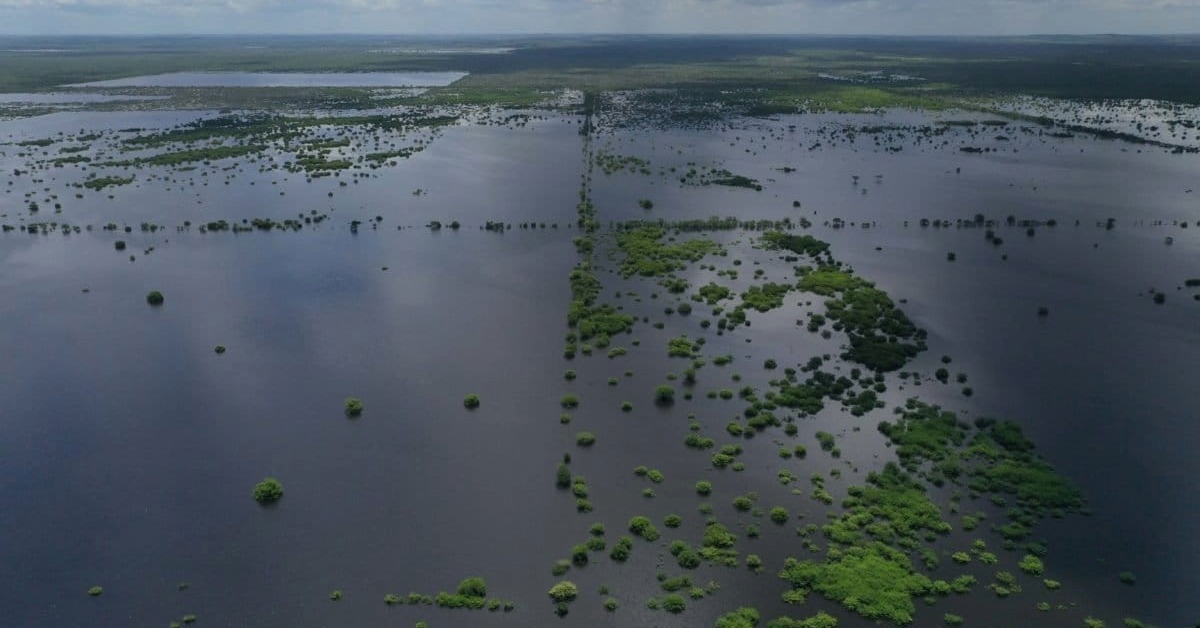
Hopelchén is a municipality in Campeche, on Mexico’s Yucatán Peninsula. It sits on karst limestone, where water moves quickly underground. Court documents describe the soils as porous and highly permeable. That makes wells and cenotes sensitive to what is applied on fields. Representatives of 17 Maya communities say outside agribusiness operators expanded mechanized farming over two decades. They point to transnational companies and some Mennonite producers near ejidos and community lands. They link that shift to deforestation, pollinator decline, and pesticide exposure. They say monitoring has not matched the pace of land-use change. The communities’ economy still depends on beekeeping and milpa agriculture, alongside wage work and horticulture. They argue the issue is not only local. Much of the peninsula shares a connected groundwater system. If contamination spreads, impacts can cross state lines into Yucatán and Quintana Roo. For residents and expats alike, that matters because most towns rely on groundwater for daily use.
What the data and sampling show
Pressure on forest cover is central to the complaint. National forestry estimates report large losses in recent decades. One federal estimate puts deforestation in Campeche at 410,488 hectares from 2001 to 2018. Global Forest Watch tracks tree cover loss from satellite data. It reports about 190,000 hectares of tree cover loss in Hopelchén from 2001 to 2024. Local ecological planning documents also flag agrochemical contamination and land-use change as key risks. Communities describe a shift toward monocultures such as soy, corn, sorghum, and rice. They also point to intensive horticulture, like watermelon and tomato. Those systems often rely on frequent spraying and high fertilizer use. They also require road access and larger plots. Residents say the pattern brings new income for some families. They also say it can push small producers toward renting land or leaving farming. For expats who buy local honey or travel through rural Campeche, the land-use shift can be visible in a single season.
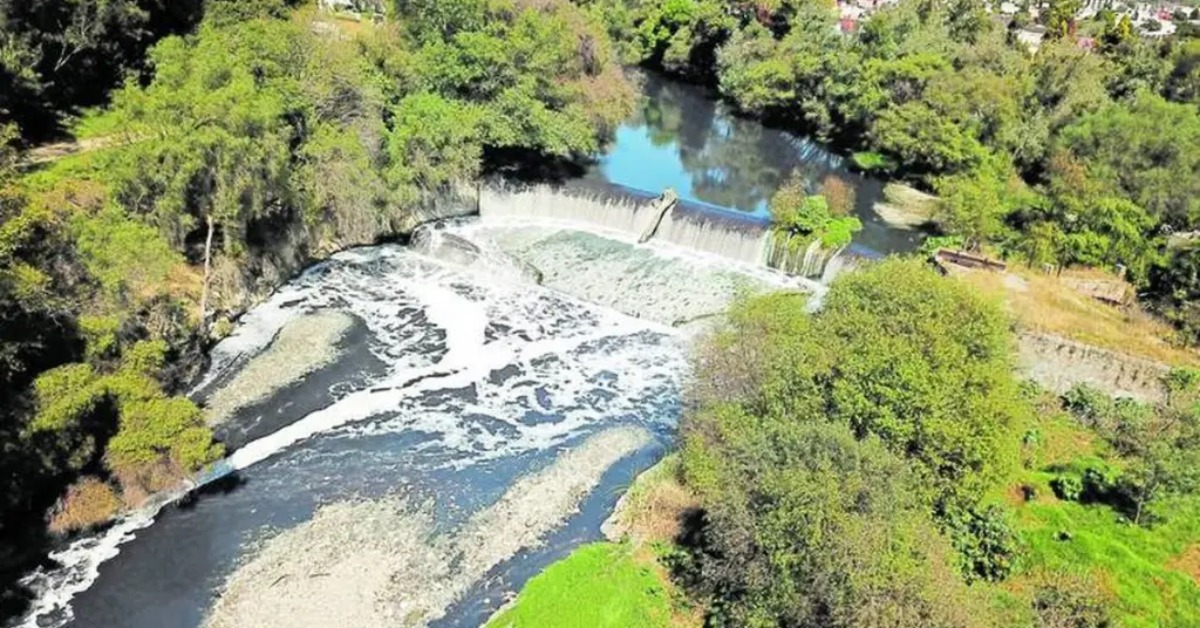
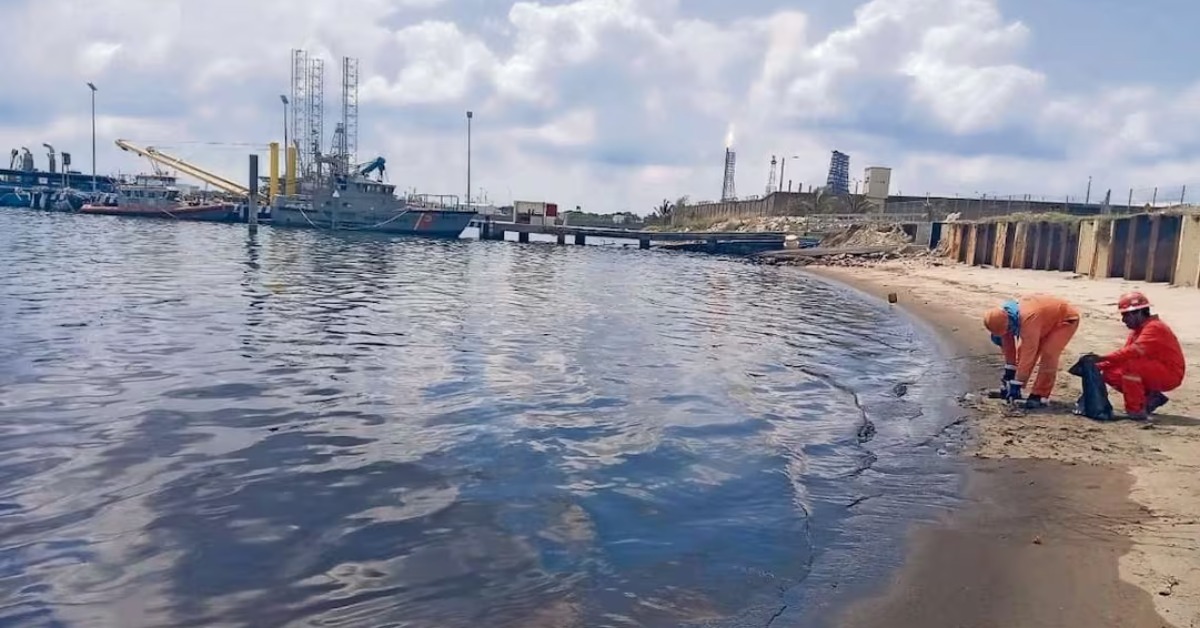
A 2024 federal report summarizing fieldwork in Los Chenes points to measurable signals in water and pollinator health. It describes a 2023 sampling program led by the Mexican Institute of Water Technology. The team collected samples from surface water, agricultural wells, and public supply wells at 16 sites. The report says several physical and chemical parameters exceeded permissible limits. It frames that as evidence of contamination in both surface and groundwater. The same report describes an INECC study that sampled air around apiaries. In 56% of sites near hives, at least one pesticide classified as dangerous to bees was detected. It also warns that spray drift can travel up to three kilometers. It notes a 2023 die-off report in Suc Tuc and Oxá, affecting 110 apiaries and resulting in 3,365 hives lost. The contaminant identified in that event was fipronil. For beekeepers, the link is economic and cultural. For anyone who drinks well water, it is a public health question.
Why the Supreme Court case matters
The legal route is a constitutional amparo that began in 2020. An amparo is a rights-based suit used to challenge government acts or omissions. Court papers describe claims against federal and state agencies, as well as the Hopelchén municipality. The communities argue that authorities failed to guarantee safe water, generate public information, and control the use of highly hazardous pesticides. The court record cites herbicides such as glyphosate. A district judge dismissed parts of the claim and denied protection on other points. The ruling cited a lack of expert evidence showing contamination in the water consumed. The communities appealed. In 2025, the Supreme Court’s First Chamber decided to bring the case to the Court, using its power of attraction. It references the Escazú Agreement and chemical-safety treaties. The decision raises two questions of national significance. One is what administrative duties follow from the right to water and a healthy environment in areas of intensive pesticide use. The other is how judges should value evidence in environmental cases, especially for Indigenous plaintiffs with limited resources. Community representatives are asking to be heard in person before a final ruling. They say video meetings are not practical in remote areas.
With information from La Jornada, Suprema Corte de Justicia de la Nación, Secretaría de Medio Ambiente, Instituto Nacional de Ecología y Cambio Climático, SEMARNAT, Comisión Nacional Forestal