Mexico’s cartels are often described as drug traffickers who prey on business from the outside. This explainer takes a different route, following ports, paperwork, trucking, and payroll. Fuel-smuggling probes centered on seaports, growing attention to cross-border ammunition flows, and violence tied to a mining operation in northwest Mexico all highlight a shared pattern. When criminal power embeds in routine commerce, it looks less like a parallel economy and more like infrastructure. The critical question is not only who controls territory, but who controls the transactions that keep goods—and money—moving.
Why supply chains explain cartel power better than kingpins
Coverage of organized crime in Mexico often follows arrests, splinter wars, and the search for a single boss. That approach can miss how cartels sustain themselves when leaders fall. Many revenue streams now rely on ordinary supply chains: fuel, trucking, agriculture, mining, and retail distribution. Those businesses run on permits, invoices, customs declarations, and access to public infrastructure. They also run on labor, from drivers and dockworkers to accountants, mechanics, and security contractors. When a group can steer those inputs, it can turn legal commerce into recurring income. Violence then works less like battlefield fighting and more like contract enforcement. A payment demand can be scheduled to coincide with shipment arrival, harvest week, or payroll day. Seen this way, cartel power can look like infrastructure: present in the flow of goods even when drugs are not. For residents and firms, the impact can appear as higher logistics costs, disrupted routes, and pressure inside legitimate industries.
Reporting that follows ports, paperwork, and payroll starts with a different question. What must happen for a shipment to move, and who controls that step? In trade, the chokepoints are often administrative. Tariff classifications, product descriptions, and declared values determine taxes and trigger inspections. That creates space for trade-based money laundering. Here, criminal value moves and is disguised through trade transactions. It does not depend on suitcases of cash. Methods include over- and under-invoicing, phantom shipments, and shell companies that hide beneficial ownership. The same logic invites insider recruitment. A World Customs Organization analysis reviewed more than 2,600 drug seizures in maritime cargo. It found that 68% showed some involvement from an internal conspirator. The lesson is durable: access and credentials can be as valuable as weapons. When an investigation touches permits, invoices, and staff rosters, it can map where coercion enters commerce. For cartels, that is how scale becomes possible.
Ports, fuel, and customs paperwork
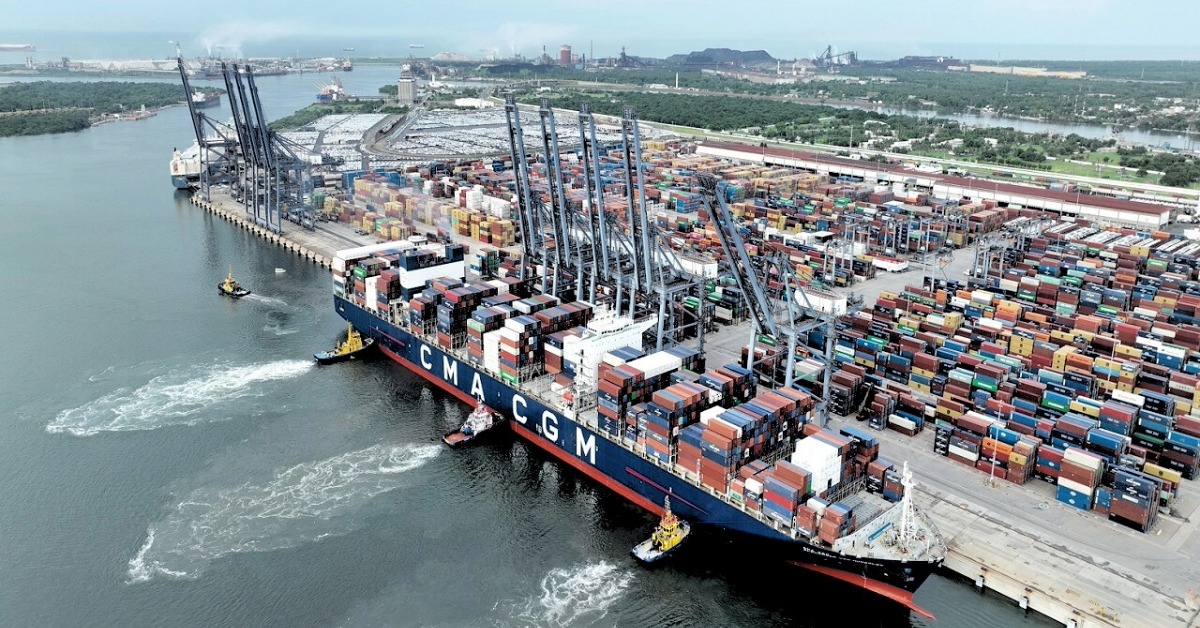
In March 2026, a government response to senators described expanded internal probes into suspected fuel smuggling at seaports. The document pointed to investigations at Guaymas, Tampico, and Ensenada, and to reviews inside the navy and the customs agency under federal oversight. The scheme is built on paperwork fraud. Diesel or gasoline is imported and declared as a tax-exempt petroleum product, which avoids fuel taxes and duties. That misclassification can reduce liabilities enough to sell discounted fuel while still keeping margins. The U.S. Department of the Treasury and Mexican investigations have treated illicit fuel and stolen crude as a major cartel revenue stream, sometimes described as second only to narcotics. If that framing is right, the port becomes more than a transit point. It becomes a revenue machine because it is where taxes are calculated, waived, and enforced. It also becomes a corruption target, because a single clearance can move millions in value. That is why fuel cases can start at a dock rather than a pipeline.
This port-focused story sits beside an older fuel business. In the last decade, fuel theft from pipelines and storage facilities became a major criminal market, often called huachicol. Official figures cited in recent reporting show Mexico’s state oil company detected more than 81,000 illegal pipeline taps from December 2018 to February 2025. But fuel crime has also evolved toward tax and customs fraud, known as huachicol fiscal. A 2025 case illustrates the hybrid model. Authorities reported seizing a ship at Tampico carrying roughly 10 million liters of fuel, and later announced arrests that included private executives, customs officials, and navy personnel. The case matters because it merges the old and the new: a physical cargo and a falsified declaration. It also highlights the supply-chain handoffs that matter for commerce. Fuel must be unloaded, trucked, stored, and sold, and each step creates a vulnerability to corruption or coercion. When those steps are captured, legal competition is distorted, and tax collection weakens.
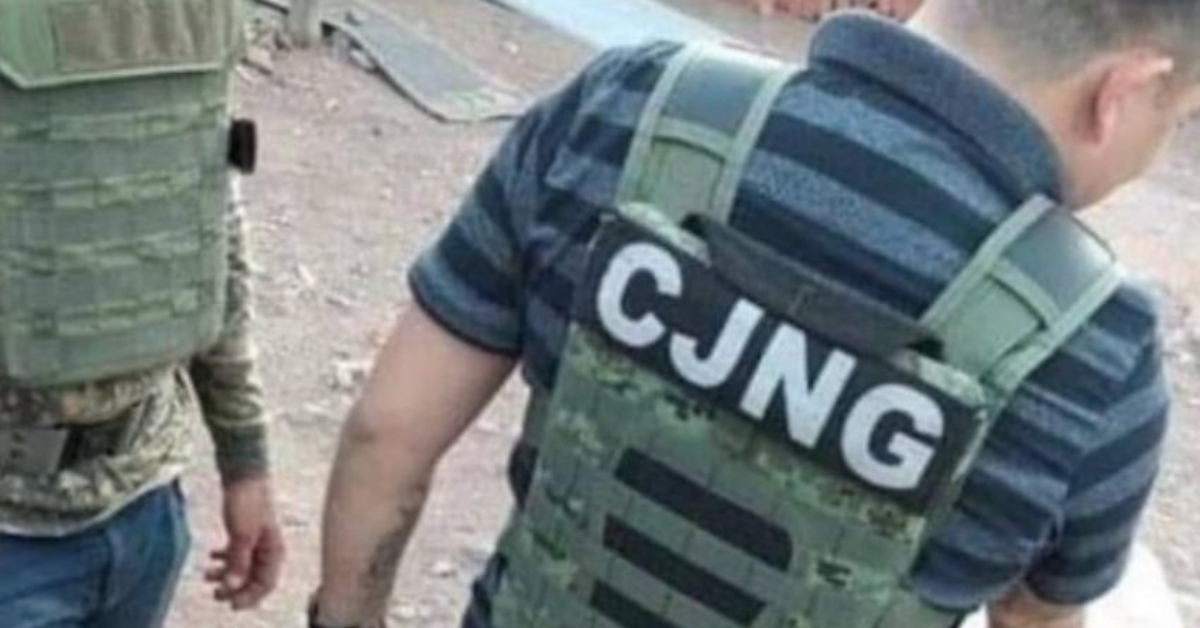
Supply-chain crime is hard to unwind because institutions must investigate their own gatekeepers. By March 2026, reporting indicated that several military personnel tied to the fuel-smuggling case remained employed and receiving pay while sidelined from duties. That kind of administrative limbo can matter in practice. It can slow discipline, complicate testimony, and signal that internal accountability is contested. The cross-border side adds complexity. In 2025, the Treasury Department sanctioned individuals and logistics companies it linked to a fuel theft and trafficking network associated with the Jalisco New Generation Cartel. The designation underscored how trucking firms, freight brokers, and shell companies can sit between illicit markets and formal commerce. For investigators, the durable evidence is often banal. It is import permits, bills of lading, corporate registries, and bank touchpoints. For readers, those documents explain how a cartel can be present in a market without visibly owning it. That is the infrastructure model.
Ports are entry points for precursors. They are also exit points for finished drugs. That is why they attract sustained security programs. At the Port of Manzanillo, the UN Office on Drugs and Crime described interceptions in 2024. They included methamphetamine, contaminated product shipments, and large quantities of chemical precursors used for fentanyl production. The larger point is structural. Port enforcement is infrastructure, too. It depends on scanners, trained inspectors, and risk profiling. It also depends on information exchange with other countries and shipping firms. That capacity rises slowly and can fall quickly. A foreign-aid freeze ordered by United States government in January 2025 was reported to have disrupted a United Nations cargo-screening program in Mexican ports. It also delayed the planned expansion. In high-volume trade, even short interruptions can force inspectors to accept more risk on what they do not check. For organized crime, the incentive is to route cargo through the least defended node, not the routes that grab headlines.
Ammunition, munitions, and the border loop
Ammunition is another commodity that moves through normal distribution channels and leaves paperwork behind. In early March 2026, Elizabeth Warren said she would introduce legislation. It would limit civilian sales of military-grade ammunition and certain weapons through contractor pipelines. The push drew attention to the Lake City Army Ammunition Plant. It is a government-owned facility. Its output can reach the civilian market under contractor arrangements. Public reporting has linked some of that ammunition to violence, including cases tied to Mexican cartels. The policy argument is not only about a product. It is about diversion. When military supply chains produce surplus for commercial resale, a second pipeline emerges. It can be hard to monitor at scale. For Mexico, the issue is not only southbound gun smuggling. It is the steady availability of compatible ammunition that can sustain violence even when weapons are seized. That makes procurement, distribution, and resale part of cartel economics.
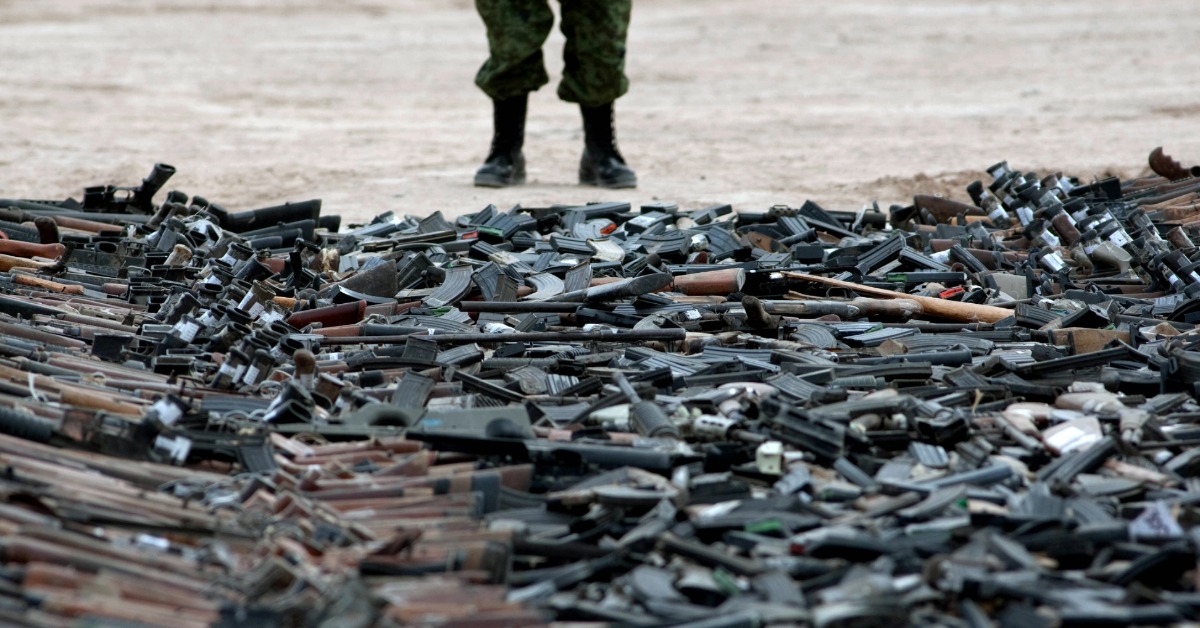
U.S. enforcement data also makes the economic framing concrete. In February 2026, the U.S. Department of Justice published agency figures covering the period since January 20, 2025. The tally said federal agents seized 36,277 illegal firearms and 2,317,999 rounds of ammunition from prohibited people, gang members, and suppliers for transnational criminal organizations. It also said 4,359 of those firearms and 648,975 rounds of ammunition were bound for Mexico. These counts do not capture all trafficking. They also do not identify the final user of every seized shipment. But they show that officials treat ammunition supply as a measurable input to organized violence. For supply-chain reporting, that matters because ammunition cases often hinge on purchase patterns and distribution records. A single retail source can supply multiple traffickers, and a single trafficking cell can feed multiple violent groups. Those links are hardest to see if reporting stops at the gunman. That is why paperwork matters.
The current focus includes what happens when legal ammunition reaches retail shelves. In February 2026, an investigation cited Mexican seizure records. It said almost half of the .50-caliber rounds seized since 2012 were linked to Lake City. Mexico’s defense minister cited 137,000 cartridges seized since 2012. He said 47% traced back to that plant. The relevance for an infrastructure lens is that high-caliber ammunition has stable supply lines. It is produced in fewer places and distributed through fewer formal channels than many consumer goods. That makes diversion points intelligible. It also creates clear moments where diversion can occur. Those moments can be investigated through sales and shipping records. It also shows why cartels invest in procurement, not only in firepower. A group can recruit buyers and pay couriers. It can move products through routine travel and freight. That can sustain access without controlling a factory. For investigators, tracing ammunition can illuminate the same underlying mechanism as fuel fraud: the misuse of legal channels.
Border seizures provide snapshots of downstream logistics. In February 2026, U.S. Customs and Border Protection reported a seizure at the Juárez–Lincoln Bridge. Officers found 44 handguns and 79 magazines in a vehicle headed for Mexico. The agency said federal investigators opened a case after the driver was arrested. These are small numbers compared with the overall market. But they show how routine travel also carries commodities of violence. Separately, the United States and Mexico announced a bilateral initiative in 2025. The goal is to expand tracing tools and share intelligence. Officials also said they would increase joint investigations that target southbound weapons trafficking. These measures matter because the same waterbed dynamic applies. When outbound checks intensify at one crossing, traffickers can shift routes or move smuggling into commercial loads. That makes cooperation and the sharing of data more valuable than isolated seizures. It also shows why firearms reporting is supply-chain reporting. It tracks transactions, not only shooters.
Trucking, labor, and the payroll economy
After entering a country, most goods move by truck. That makes trucking corridors a practical target for theft and coercion. In late 2025, reporting based on official counts and industry interviews described transport operators facing about 21 robberies per day, with violence common in reported incidents. The same reporting pointed to uneven geography, with certain routes accounting for a large share of attacks. Another feature is secondary extortion. Drivers described bribe demands at checkpoints and staged incidents designed to trigger payment. These patterns have business consequences. Firms reroute shipments, add private security, raise insurance, and build delays into schedules. The goods still arrive, but at higher cost and with more uncertainty. Cargo crime is then not only a headline. It becomes a factor in inventory management, fuel planning, and price formation. A supply-chain lens treats these crimes as informal taxation layered on top of legal infrastructure. That affects consumers and employees alike.
Measuring these effects is hard because many business crimes are under-reported. A policy brief cited Mexico’s business victimization survey. It found that most business-related crimes go unreported. Reasons include fear, distrust, and the burden of procedures. Under-reporting can hide extortion and cargo theft. It can also make trends look smaller than they are. Freight theft illustrates the gray zone. Some analyses cite cargo theft totals in the tens of thousands for 2024. Others focus on percentage shifts by month or route. Even when numbers move, the operational reality stays consistent. High-volume commerce creates repeated opportunities for hijacking. Repetition encourages repeat actors. That is what turns theft into a service market, with intelligence, staging, and resale channels. When a criminal group finances itself through robberies and extortion, it can also pay for deeper infiltration. That includes drivers, warehouses, and corrupt protection. That links highway crime to port crime, because both depend on logistics and insiders.
In agriculture, the supply chain is easy to map. Crops move from the orchard or field to packing, then to distribution and export. That predictability creates leverage points for extortion. In August 2025, the Treasury Department said cartels extort farmers and packers tied to avocado exports. It said payments are demanded through affiliates. The statement also warned that nonpayment could lead to violence. In Michoacán, a citrus producer’s leader was killed in 2025 after repeatedly denouncing extortion aimed at lime growers. The death followed periods when packhouses shut down amid payment demands. These cases show how a protection racket becomes a supply-chain cost. A payment extracted at the orchard or packing shed can travel. It can surface later as higher prices, reduced formal employment, or disrupted availability. For expats, the link is direct. These dynamics shape the cost and reliability of daily goods, not only the risk map of cartel territory. It also shapes who can work safely.
Labor is another connector between legal economies and cartel power. Many illicit markets require people with legal jobs: warehouse staff, clerks, drivers, and contract security. Coercion and bribery can turn those roles into enablers, even when the person never handles a weapon. Extortion can also spill into labor systems, including union-controlled work sites, transport routes, and construction. When that happens, a cartel economy can start to resemble a shadow employment market with rosters, supervisors, and pay structures. Analysts of organized crime stress that these markets rely on practical administration: who is hired, who gets access, and who can move without being stopped. Under that lens, payroll evidence matters. It documents how money buys compliance and information, and it can connect criminal revenue to specific functions. This also explains why leader-focused crackdowns often disappoint. Removing one person does not remove the workflow that pays and coordinates the rest, especially when the workflow sits within the legal industry.
Mining violence and the way legal trade absorbs it
The Sinaloa mine-worker killings in early 2026 show how violent control can attach to a legal project. In January, 10 mine employees linked to Vizsla Silver’s Pánuco project were abducted near Concordia, in Sinaloa. By early March, the company and authorities had confirmed multiple deaths and continued searches for missing workers. Reporting linked the case to Los Chapitos, a faction within the Sinaloa Cartel, amid a conflict between rival criminal groups in the state since 2024. The immediate tragedy is personal. The structural lesson is economic. Mining relies on contractors, supply deliveries, road access, and predictable work shifts. When armed groups contest a corridor, they can disrupt production, pressure firms, and reshape local labor markets. International anti-corruption and crime bodies have warned that mining attracts organized crime when oversight is weak, enabling corruption in licensing and contract processes and in money laundering through the mineral trade. That makes mining a window into how cartel power intersects with legitimate investment.
For expats living in Mexico, this framing changes how risks and costs are understood. Cartel economies are not only a drug trade on the margins. They can be embedded in infrastructure-like systems. Ports clear fuel. Highways move freight. Payroll networks confirm compliance. That reality also changes the policy debate. Port control units and customs modernization aim to harden the joints between legal and illegal markets. Outbound weapons inspections and financial investigations support that work. But trade-offs are real. More inspections can slow cargo and raise costs, even for legal trade. Enforcement can also push trafficking toward smaller ports and alternate routes. Customs authorities have reported a shift in maritime smuggling patterns. For readers, the enduring reporting question is not only who the next kingpin is. It is the node of commerce that is being captured. It is also what that means for services and supplies that ordinary residents rely on. That is where consequences accumulate.