An oily sheen showed up on sand and surf along Veracruz’s south coast, and local officials quickly moved to close access in several spots. Fishermen say the residue is damaging gear and keeping boats off the water, while worries spread from seafood stalls to small hotels. Authorities have opened a formal investigation, but the source remains unclear, and the timeline for reopening beaches is still unsettled. Here’s what is known so far, and what residents are waiting to hear next.
Where the slick has been reported
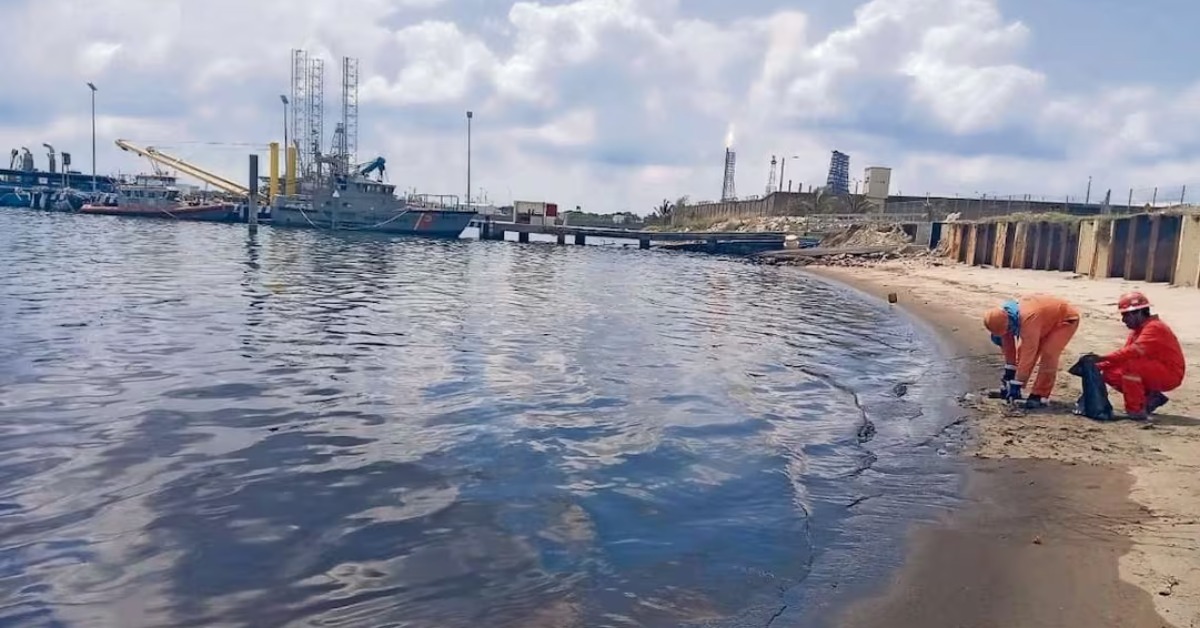
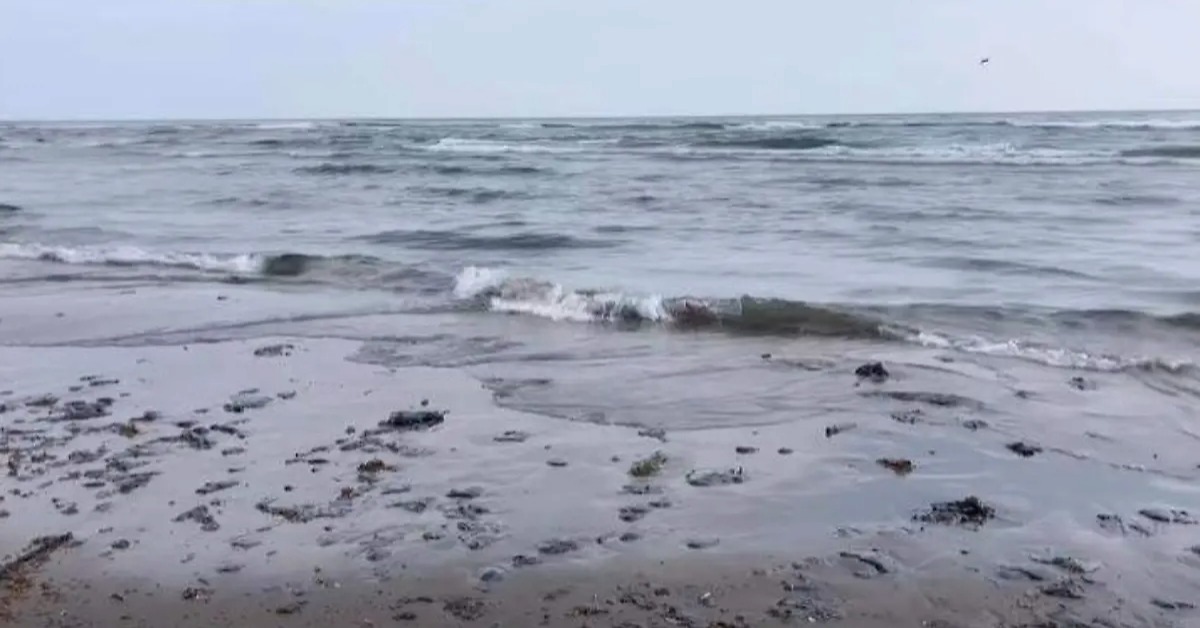
A hydrocarbon slick was first reported on beaches in Pajapan, southern Veracruz. Within days, residents said it was drifting along the coast. Fishermen from Playa Olapa in Los Tuxtlas reported residue near Mecayapan. They also pointed to the affected shoreline in Tatahuicapan. Later reports placed the material in parts of Coatzacoalcos. The material is often called chapopote locally. People describe dark, sticky patches washing up with the tide. Some say small clumps are visible on the sand. Others describe thin streaks on the water just offshore. Local authorities in Pajapan flagged Playa Linda, Peña Hermosa, and Jicacal as hot spots. Officials in Coatzacoalcos also referenced Las Barrillas and nearby wetlands. Municipal teams have been documenting where the slick lands each day. The pattern appears tied to winds and currents that shift quickly along this stretch. Photos shared locally show wildlife coated in residue, including a sea turtle. Officials warn the material can reach mangroves and reef areas. That poses risks to marine life and to people who work in shallow lagoons.
Closures ripple through fishing and tourism
The slick has forced rapid restrictions on beach access in several communities. In Pajapan, municipal officials said they closed coastal areas as a precaution. The first closures were announced on Monday, March 2, 2026. Civil protection teams cordoned off the worst patches and urged people to avoid the water. Some local authorities also advised against eating fish and shellfish from the area. For many families, the first impact is financial, not theoretical. Fishermen say the residue sticks to nets, lines, and boat hulls. Once coated, the gear can be hard to clean and may need replacement. Officials have described an affected stretch of roughly 50 kilometers of coastline. Local leaders have cited thousands of people tied to fishing, food stalls, and tourism services. One estimate puts the number around 14,000 workers and small vendors. Municipal governments say they have started a damage census to document losses. The timing is sensitive because the run-up to Semana Santa often brings extra visitors. Restaurants and small hotels are watching for guidance on reopening and on seafood safety. Until sampling is complete, uncertainty itself becomes a cost for the coastal economy.
Complaints filed and inspections begin
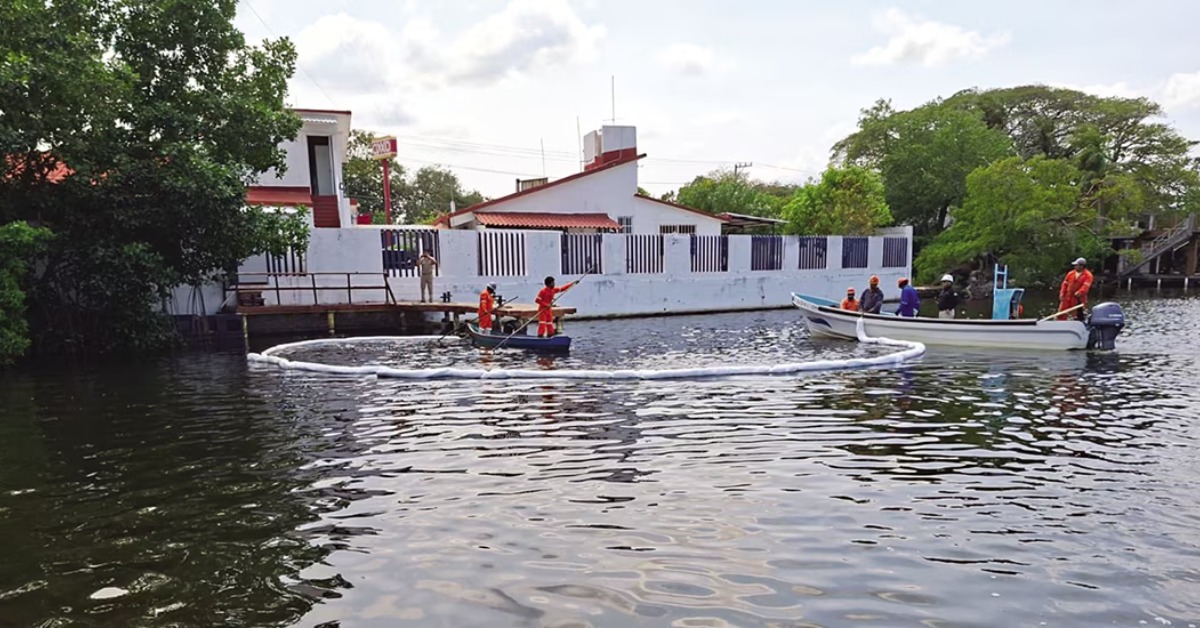
The mayors, José Luis González Hernández of Pajapan and Vladimir González Martínez of Tatahuicapan, say they filed complaints with Profepa and Semarnat. They want the slick’s origin identified and the cleanup ordered quickly. State officials say their environmental prosecutor is on the ground in the affected zone. Federal regulators are also moving in. Inspectors from ASEA said they planned coastal walks and boat checks to assess damage. In Coatzacoalcos, they met with Mayor Pedro Miguel Rosaldo García before heading out. Authorities have not yet reported a confirmed source or a measured volume. Veracruz’s civil protection office has said the amount of hydrocarbon has not been quantified. That leaves key questions open, including how far the slick may travel with currents. Some areas have seen patrols by the Navy and, in certain locations, the Army. Officials say their role is to support safety and keep people away from contaminated shoreline. Sampling and lab work are expected to guide both the cleanup method and any health advisories. For residents, the pace of those tests may determine when fishing and swimming can restart.
Pemex denial and what to watch next
For its part, Pemex says it has not found any leak tied to its facilities in the area. The company says inspections on land and at sea showed normal operations and no spill. Veracruz Governor Rocío Nahle García has echoed that view so far. She says the affected coastline has no nearby pipelines, platforms, or active exploration. She said state environment prosecutor Ángel Carrizales López was sent to the coast. That does not rule out other sources, but it frames the investigation. Investigators can compare the material’s characteristics with known crude blends and residues. They may also review ship traffic and any recent offshore maintenance work. Officials have said a state representative will visit communities to assess fishermen’s needs. Municipal leaders say support will depend on verified losses and census results. For travelers and residents, the practical step is to follow Civil Protection notices. Avoid swimming or walking through residue, and keep children and pets off affected sand. If you buy seafood locally, ask where it was caught and follow any official warnings. The next public updates should come as agencies complete sampling and initial damage assessments.