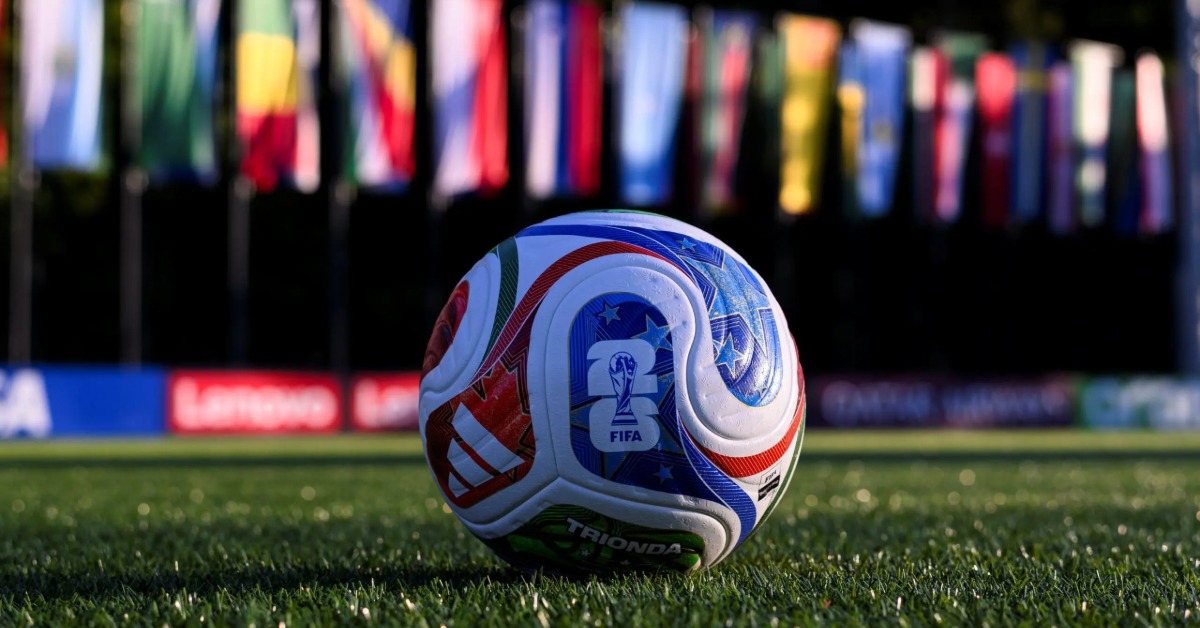
Mexico is about to stage the largest test of its public-security narrative in decades: a World Cup with global scrutiny and tight deadlines. Recent events in Jalisco show why the stakes are economic, not only political. A canceled international diving stop, a new national security deployment plan, and a stadium reopening date now interact with airline schedules, hotel bookings, and investor confidence. The result is a new equation: safety planning functions as economic messaging, and economic credibility depends on operational security.
Security is now an economic variable
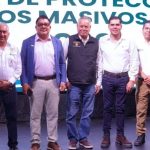
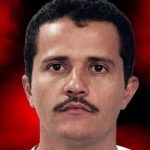
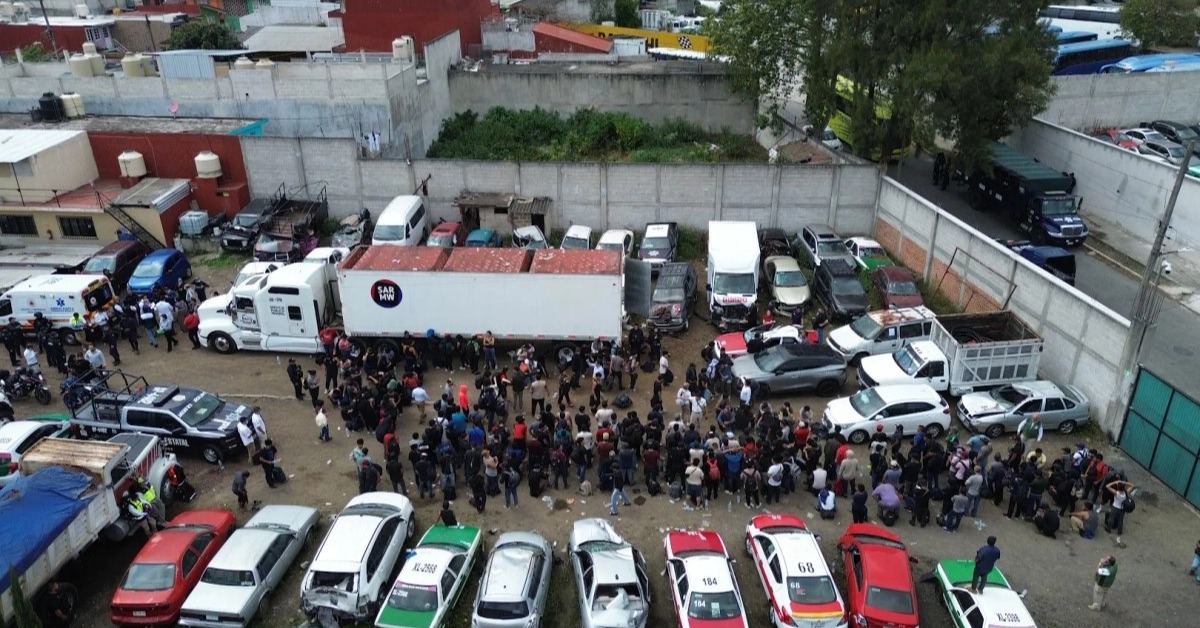
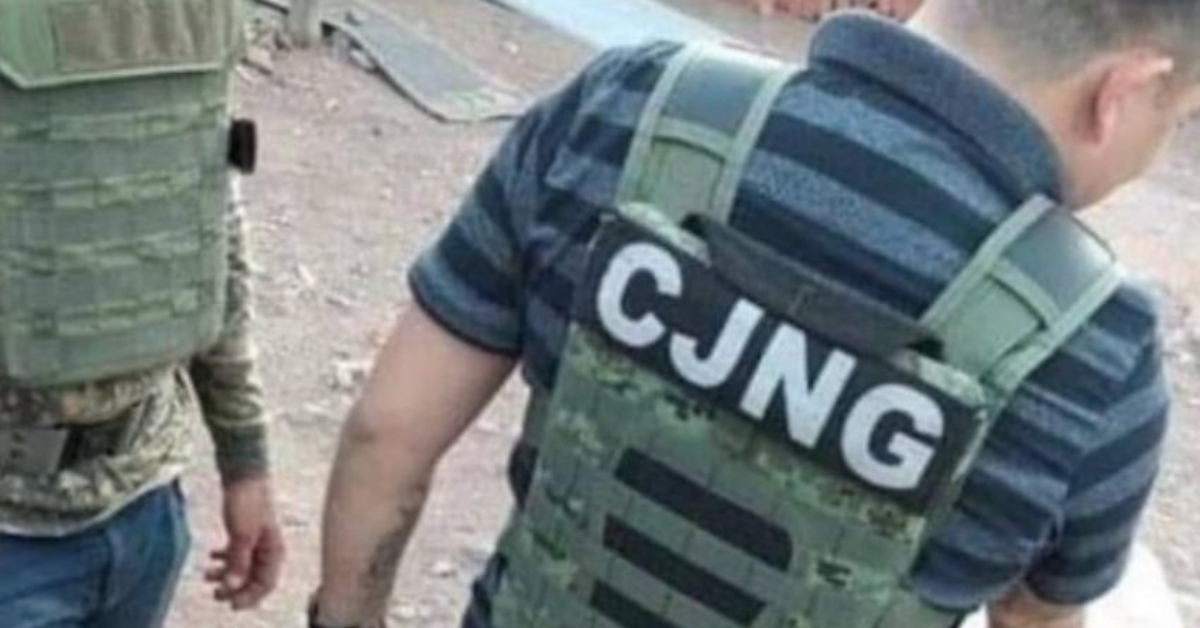
Two clocks now run together in Mexico: the public-safety clock and the economic clock. Early March brought that overlap into focus. President Claudia Sheinbaum traveled to Jalisco, a 2026 FIFA World Cup host state, after a surge of violence. The unrest followed the reported killing of cartel leader Nemesio Oseguera Cervantes, linked to the Cártel Jalisco Nueva Generación. Jalisco’s capital, Guadalajara, is one of Mexico’s host cities for the tournament. The visit was not framed only as policing. It was framed as a readiness check for travel, crowds, and international scrutiny. Security officials presented a national operations plan alongside updated crime data. Sheinbaum’s message was aimed at residents, visiting fans, and the business sector. In practice, that makes security policy a market signal. It also means economic policy absorbs security constraints, from staffing to coordination and deadlines.
The clearest sign that security has become economic policy is not a speech. It is an organizer changing course. In late February, the World Aquatics Diving World Cup stop scheduled for Zapopan was canceled. The meet was set for March 5 to 8 at the city’s aquatic center. World Aquatics cited security concerns after embassy travel restrictions and fresh unrest in the region. Mexican sports officials said they would pursue a rescheduled date, but the federation only promised a return at a later date. The immediate loss is measurable in hotel nights and local spending. The larger impact is reputational and repeatable. A single cancellation becomes a reference point for other event owners, tour operators, and corporate travel desks. It also raises the cost of hosting, because organizers demand clearer contingency planning and stronger guarantees. For Mexico’s World Cup cities, this is the same problem at higher scale. Once an event is labeled a security risk, logistics and marketing become inseparable from policing.
The World Cup test
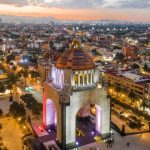
The World Cup forces a simple question: Can Mexico sell safety at scale? The tournament opens on June 11 in Mexico City, with the host team in the first match. That date turns security into a deadline, not an aspiration. It also makes infrastructure timelines part of the security story. Estadio Azteca is scheduled to reopen on March 28 with a Mexico–Portugal friendly. Officials have said work will continue after that reopening, because the build is staged. That detail matters for perception. A stadium under active renovation is a story about capacity, mobility, and emergency planning. Airports face the same scrutiny, because arrival bottlenecks can become safety problems in minutes. This is also why FIFA has planned a review of host security and mobility arrangements in Mexico. In the final stretch, the economic aim is not only to reduce crime. It is to show that crowds can move, queue, enter, and exit without becoming a headline.
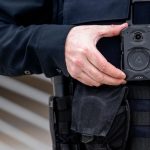
The federal answer is an operational package, not a slogan. Plan Kukulkán is built around large staffing numbers, visible patrols, and layered protection zones. Security Minister Omar García Harfuch presented the plan publicly during the Jalisco visit. Officials described a deployment of nearly 100,000 personnel across Mexico City, Guadalajara, and Monterrey. They also described joint task forces for each host city and additional units for other sites. The plan extends past stadium gates. It covers airports, hotels, team logistics, and fan areas. It adds aerial surveillance, anti-drone measures, and specialized training. It formalizes coordination across federal, state, and municipal authorities. In that framing, security forces become part of the event production system, even when they carry weapons. For economic policy, the point is not only deterrence. It is reducing uncertainty for airlines, broadcasters, tour operators, and investors with fixed calendars. Mexico’s security leadership has made that link explicit in public briefings. The claim is that Mexico can be secure, organized, and credible under global observation.
Signals that shape confidence
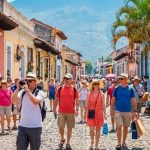
Tourism makes the security-economy link hard to ignore. Official satellite-based accounting estimates that tourism accounted for 8.7% of Mexico’s economy in 2024. That same release put tourism GDP at about 2.713 trillion pesos and tourism employment at 2.9 million jobs. When tourism is that large, visible disorder becomes a pricing signal for travel. Airlines can cut routes. Insurers can add exclusions. Operators can narrow marketing to limited corridors. Recent tourism data show why policymakers defend the sector. Mexico recorded about 47.8 million international tourists in 2025 and international visitor spending of nearly $35 billion. Those totals can rise while violence persists because risk varies by region and trip type. Yet a mega-event changes the map. Fans do not visit one beach corridor. They connect airports, transit, hotels, stadiums, and nightlife in a compressed window. That is why a World Cup host city must manage real security and perceived security at the same time.
Investment reacts to security through costs that rarely show up in speeches. Mexico drew a record $36.872 billion in foreign direct investment in 2024, according to government figures. That record sits beside a private-sector reality measured by official surveys. INEGI estimated that 27.2% of businesses were victimized by at least one crime in 2023. The same survey estimated total costs from insecurity and crime at 124.3 billion pesos, or about 0.51% of GDP. Separate results show how operators translate that into daily decisions. Many reported that insecurity and crime were the main problems affecting them. Many also reported their greatest insecurity when moving goods on highways. For nearshoring manufacturers, those risks become a logistics tax. For service firms, the same risks manifest as staff attrition and increased cash-handling controls. When leaders say security is an economic policy, they are describing this pass-through. Security affects whether companies expand, shift routes, insure shipments, and keep executives on the road.
Perception is shaped by official labels as much as by local conditions. In 2025, the United States began designating several major cartels as foreign terrorist organizations. That shift changed the language used in U.S. Department of State travel advisories for Mexico. The country is listed at Level 2 overall, but some states are tagged Level 4 and carry a terrorism risk label. For companies, that wording can trigger extra compliance and insurance reviews, even for low-risk itineraries. For expats, it can affect visiting friends, employer approvals for work travel, and the tone of conversations back home. Mexico’s response has been to treat security as a form of economic reassurance. It pairs operational moves with a public promise of mobility and order. That approach will be tested repeatedly in the next three months. The March 28 reopening at Azteca and the next Plan Kukulkán updates will be high-visibility markers. Any new international event cancellation would also reset the narrative. Can the country demonstrate safe movement across airports, transit, and venues, at the World Cup scale?