Each March, Mexico’s most-visited archaeological zones draw crowds far beyond normal travel weekend levels. This year, INAH is answering with a three-day national operation that goes beyond routine security. The plan covers special entry rules, restricted areas, and tighter protection at some of the country’s most recognized heritage sites. Behind it is a larger story about how Mexico handles places that remain active tourist magnets, public symbols, and fragile monuments at the same time.
Why INAH is stepping in
The National Institute of Anthropology and History, or INAH, is Mexico’s federal heritage agency for archaeological zones and many monuments. It says its Spring Equinox Operation 2026 will run from March 20 to 22. It covers 45 archaeological sites in 20 states. The goal is to protect visitors, staff, and monuments during one of the busiest weekends on Mexico’s archaeology calendar.
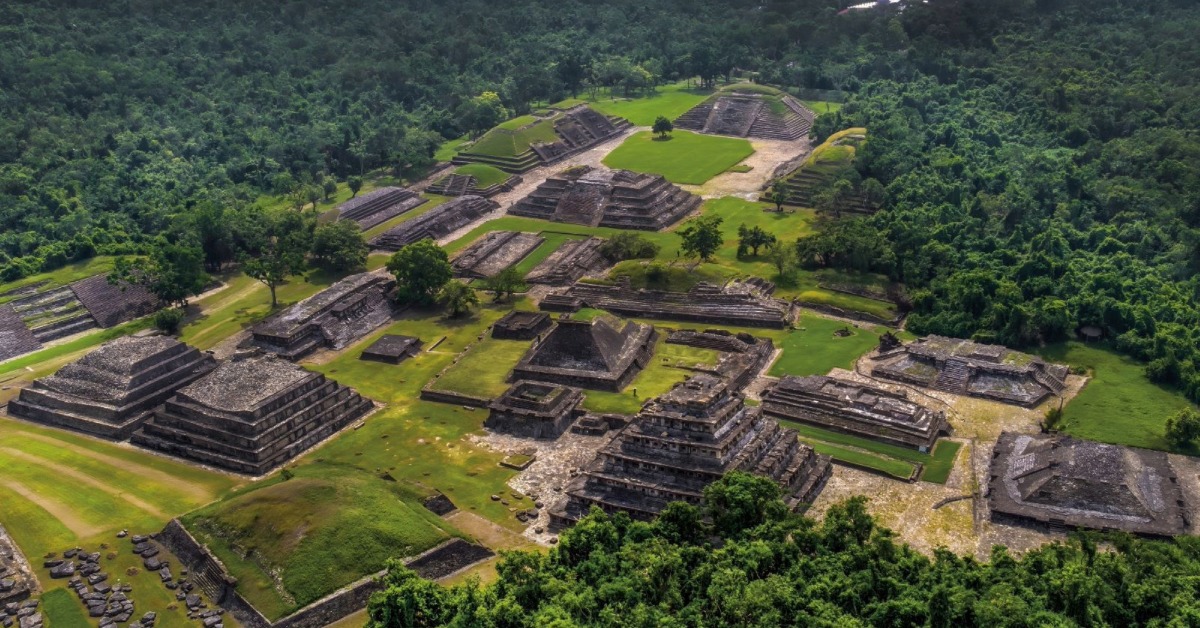
For foreign residents unfamiliar with the tradition, this is not a small tourism notice. The equinox weekend has become part astronomy event, part travel rush, and part heritage-management test. Sites such as Teotihuacan, Chichén Itzá, Monte Albán, El Tajín, and Templo Mayor can draw very large crowds. That is why INAH is emphasizing capacity limits, closed areas, and site-by-site rules before the weekend begins.
Why the equinox fills archaeological zones
This year, the spring equinox arrives on March 20 at 8:46 a.m. Central Mexico time. Many people still connect the season with March 21, but the astronomical moment shifts from year to year. In simple terms, the equinox marks the point when day and night are nearly equal in length.
At some sites, the draw is visual. At Chichén Itzá, light and shadow on El Castillo create the image of a serpent descending toward the stone head of Kukulcán. That is one reason Yucatán becomes a focal point each March. The weekend also carries a modern public ritual. Many visitors arrive in white or speak of “charging energy,” a contemporary popular custom rather than an official heritage ceremony.
What changes for visitors this year
The national rules are straightforward. Visitors may not enter with pets, alcohol, drugs, weapons, or bulky bags. INAH is also urging people to follow staff instructions, respect opening hours, and stay out of restricted spaces. The message is clear: public access remains open, but preservation comes first.
Some sites will go further. At Teotihuacan, authorities set special opening times for March 21 and 22. They also stressed that climbing the Pyramid of the Sun, flying drones, and holding activities on the structures are prohibited. At Chichén Itzá, entry times change across the three-day operation. Some areas will close earlier than the main zone. Access to the Serie Inicial sector will be suspended during the event.
Why the operation looks stricter now
The stronger enforcement reflects experience. During the 2025 equinox, Mexico’s archaeological zones received more than 192,000 visitors. In 2024, the total was more than 186,000. One unauthorized climb at El Castillo last year also showed how quickly a crowd-control problem can become a conservation problem.
The larger backdrop is even bigger. In 2025, Mexico’s 194 public archaeological zones received about 10.5 million visits. That helps explain why this story matters beyond a long weekend. INAH is managing tourism, public customs, and preservation simultaneously. The equinox draws people because it combines astronomy, symbolism, and travel. The federal response shows how seriously Mexico treats places that remain open, popular, and fragile.