The renewed push against the Solís-León aqueduct is larger than a local dispute. It has become a test of how Mexico will divide water in a basin already under pressure. Officials in Guanajuato say the project uses reclaimed irrigation water and helps cities facing severe shortages. Mayors around Lake Chapala say the technical case remains incomplete, and the downside could fall on Jalisco. For residents around Ajijic and Chapala, the question is simple: who carries the risk if the math is wrong?
Why the dispute is back
Mayors from municipalities around Lake Chapala have renewed their call to cancel the Solís-León aqueduct. They say the project could cut inflows to the lake and damage the region’s economy. The latest demand repeats a warning first made around World Water Day, but the tone has sharpened. Local officials say they still have not received the full technical explanation they requested months ago. They also say they sent a formal pronouncement last August and never got a full response.
The group includes leaders from Chapala, Ocotlán, Jamay, La Barca, Poncitlán, Jocotepec, Tizapán el Alto, and Ixtlahuacán de los Membrillos. Their message is that this is not just a local turf fight. They say the lake supports jobs, tourism, fisheries, wetlands, and water security far beyond the shoreline. In their view, a project meant to solve one water crisis could deepen another.
What the project would do
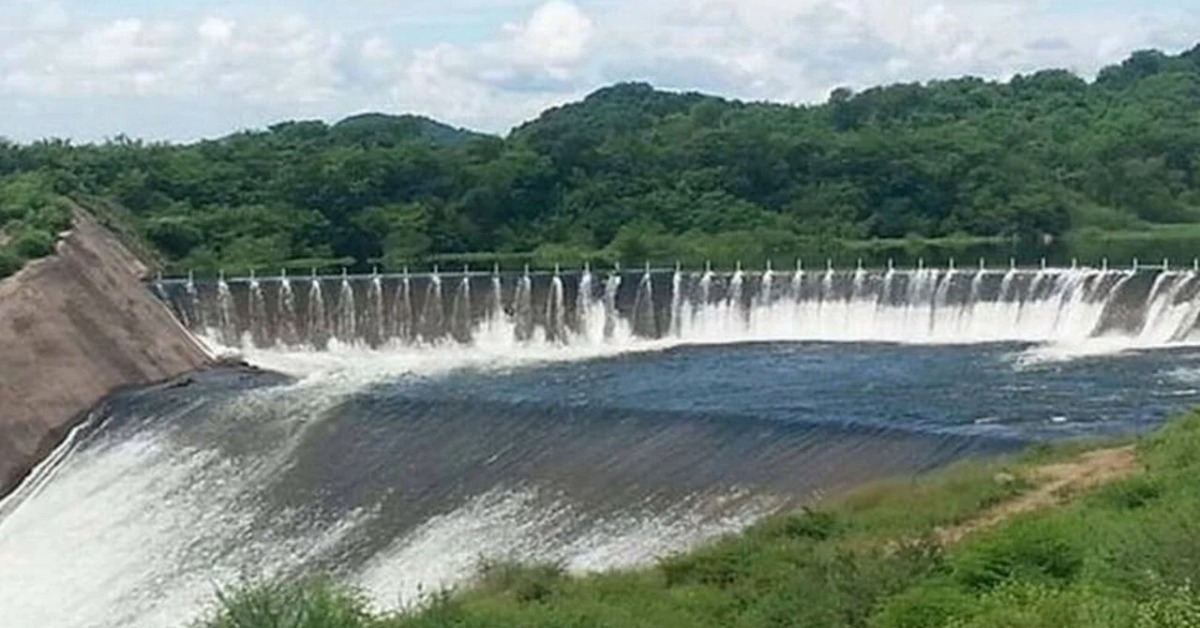
Public records describe the Solís-León aqueduct as a major transfer scheme. It is tied to the federal water plan and Guanajuato’s effort to ease pressure on depleted aquifers. The system is designed to move about 119.91 million cubic meters of water a year. That is roughly 3,800 liters per second from the Presa Solís area toward five Guanajuato cities: León, Celaya, Salamanca, Irapuato, and Silao. Official estimates place the investment at about 15 billion pesos. Public records also show the project in execution.
Guanajuato and federal officials say the project is being misunderstood. Their central argument is that the aqueduct would not take “new” water away from Lake Chapala. They say the supply would come from water saved through the technification of District 011, a large irrigation district in Guanajuato. In that version, farming becomes more efficient, less water is lost, and part of the recovered volume is redirected to cities with serious water stress. Supporters also frame the plan as a human-rights issue. They argue that urban water security in the Bajío cannot continue to rely on overdrawn groundwater.
Why Lake Chapala matters far beyond Ajijic
For international readers, Lake Chapala is not just a scenic lake beside Ajijic and Chapala. It is the largest lake in Mexico. It is also the main water source for the Guadalajara metropolitan area, supplying about 60 percent of the water that reaches the city. The lake was designated a Ramsar wetland in 2009. That status reflects its ecological importance for birds, habitat, and regional balance.
That wider role explains why local officials use such strong language. Around the lake, water levels are tied to tourism, boating, restaurants, fishing, property markets, and everyday confidence in the future. The region also has a large foreign resident community, especially on the north shore. That gives the story unusual reach beyond Jalisco. The memory of the 2001-2002 crisis also lingers. During that period, the lake fell to around 20 percent of its capacity. When lakeside leaders warn about reduced inflows, they are not only talking about shoreline views. They are talking about a system that affects city water, local businesses, wetlands, and basin politics simultaneously.
Where the numbers collide
The heart of the dispute is not whether Guanajuato needs water. Few local officials deny that. The fight is over whether the official calculations are complete, current, and transparent enough. Lakeside mayors say they have been forced to respond without the full technical picture. They argue that older assumptions do not reflect recent drought cycles and basin stress. Some local officials have cited academic work they say suggests that annual inflows to the lake could fall sharply under certain operating conditions.
That fear helps explain the legal and political campaign around the project. Local authorities say more than 10,000 amparos have been filed against the aqueduct, although many have already been dismissed because courts found no direct personal harm had yet been shown. For opponents, that does not settle the water question. It only shows how hard it is to challenge a large project before the impact is visible. Their demand now is concrete. They want federal authorities, Conagua, and outside specialists at the same table, with basin data made public and explained in plain terms.
What comes next
The project is still moving through official channels, and Guanajuato’s government has made clear it does not plan to abandon it. That means the next stage is likely to be fought on two fronts. One is political, with lakeside municipalities pressing for cancellation or at least a pause. The other is technical, with state and federal authorities insisting the water accounting works and that Chapala’s share will not be reduced.
For residents of Ajijic, Chapala, and the wider lakeside corridor, this matters because the dispute has now moved past the symbolic stage. The aqueduct is no longer a distant proposal on paper. It has become a live test of trust between governments sharing one stressed basin. Until the technical case is fully opened, opposition is unlikely to fade. The question now is whether officials can prove the lake is protected before the project advances too far for that debate to matter.
Explore More:
President Sheinbaum denies Chapala water loss from Solís aqueduct
Chapala’s Future at Stake as Governor Urges Reconsideration of Water Transfer
Lake Chapala water monitoring shifts to Jalisco government oversight after Federal budget cuts