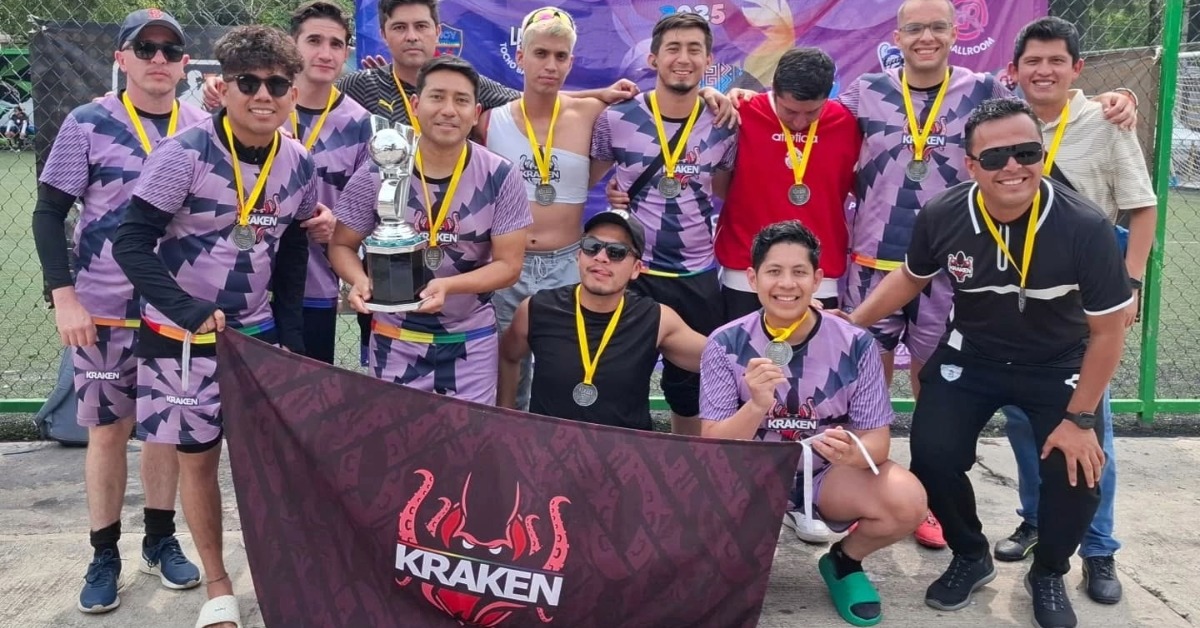
Mexico’s LGBT sports movement has spent years building leagues, tournaments, and safe spaces outside the traditional system. Now it has a formal place inside it. ANADE’s recognition by Mexico’s sports authorities is more than a symbolic milestone. It arrives as the country heads into a World Cup year that will overlap with Pride season, giving new visibility to athletes who have long competed, trained, and organized without the same standing as more established sports bodies.
A formal place inside the system
ANADE LGBTQ+, Mexico’s national LGBT sports association, now has formal recognition inside the country’s organized sports structure. The step came through the Registro Único del Deporte, or RUD. CONADE issues the registration. It places the group inside the national framework for culture and sport. For years, LGBT athletes built leagues, teams, and tournaments through community effort. This recognition changes that starting point. It gives the association an institutional place in a system that has usually centered on more established sports bodies.
The importance is not only symbolic. Formal recognition gives the association a stronger standing when seeking training space and administrative recognition. It may also help when it pursues support programs tied to Mexico’s sports structure. Just as important, it gives LGBT athletes a stronger voice in conversations about participation, athlete welfare, and inclusion. That matters because many athletes first had to build their own spaces. Only later did they push for those spaces to be taken seriously.
Why 2026 matters
The timing is hard to miss. World Cup 2026 will run from June 11 to July 19, and Mexico is one of the host countries. ANADE and related organizers are already linking this new status to a wider sports calendar. That calendar is built around Pride season and the tournament year. It includes Copa LGBT 2026 in Mexico City in May. It also includes the Juegos Nacionales del Orgullo in Acapulco later that month. A Pride-period competition is also planned in the capital during the World Cup.
For readers living in Mexico, especially in or near Mexico City, that means the 2026 Pride season could feel different. It is shaping up as more than a parade and nightlife moment. It is also becoming a sports season. Football, swimming, running, and other disciplines are featured on a public calendar. That raises the visibility of LGBT athletes while Mexico prepares to host one of the world’s biggest events.
Recognition is not the finish line
Formal recognition does not solve every problem. Inclusion in sport still depends on safe facilities, clear rules, local support, and less discrimination in daily training spaces. But the new status gives ANADE a stronger base from which to push for those changes. It also comes as the association looks toward international competition, including the Gay Games in Valencia, set for late June and early July.
The larger shift is clear. LGBT sport in Mexico is being treated less as a side activity and more as part of the country’s organized sports life. That may be the real significance of this moment. In a World Cup year, visibility will come easily. The harder test is whether that visibility turns into lasting access, support, and representation after the crowds are gone.