Winter is usually when Los Cabos dining rooms are full. This year, restaurant leaders say receipts are slipping, even as hotels talk up strong bookings. Some businesses have already shut their doors, and others are cutting back while they chase fewer diners. The question now is whether the next wave of visitors will spend beyond resort gates. With Spring Break already starting and Semana Santa approaching, operators are watching one number closely: seats filled, not just rooms booked.
A high-season dip restaurants can feel
Los Cabos is in high season, but many dining rooms say it does not feel that way. Restaurant leaders report sales running up to 20% below expectations for late winter. They describe nights with fewer walk-ins and more empty tables. Several owners say the usual post-holiday rebound has been slow. Some have reduced hours to manage payroll and inventory. Others have paused operations while they wait for demand to return. Industry figures also point to a growing number of temporary and permanent closures. In recent meetings with local business groups, representatives have described closures in the 15% to 16% range in parts of Cabo San Lucas. That estimate would equal roughly 20 establishments in the year’s early weeks. Operators say the drop is most visible in the central restaurant zone, where foot traffic matters. This is when restaurants usually build their cash cushion for slower months. Many say that the cushion is thinner in 2026, and it is shaping every decision.
Why full hotels do not guarantee busy restaurants
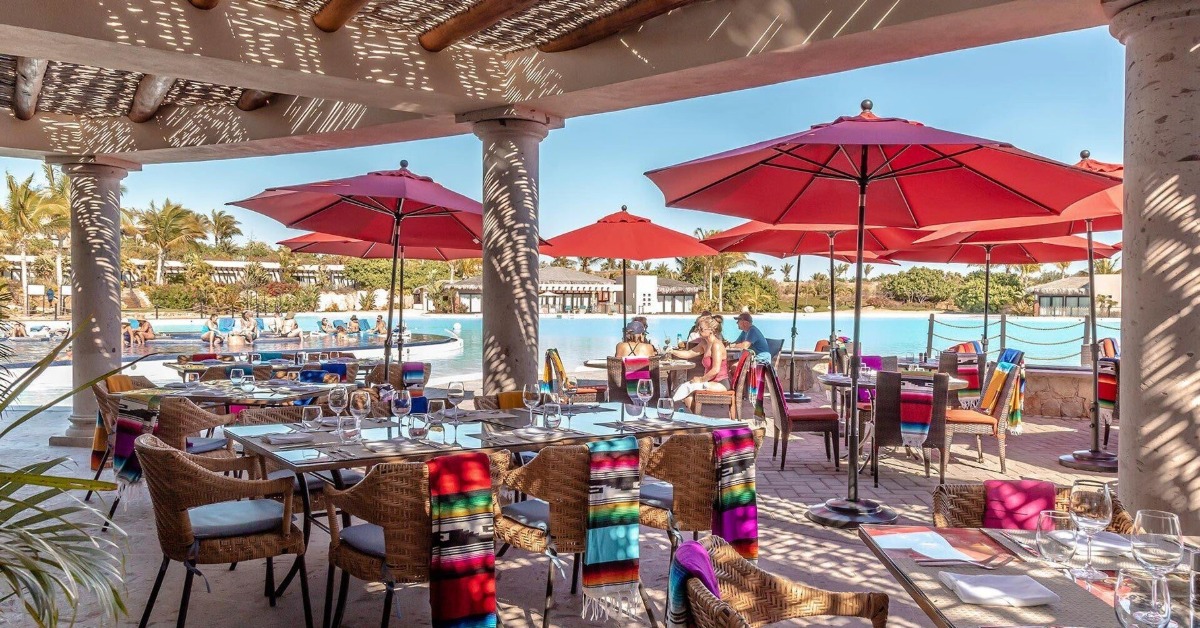
The slowdown is also about where visitors spend their time. Business owners say many travelers are eating inside resorts, especially at properties with all-inclusive plans or several on-site restaurants. Some guests stay in rental homes and cook more meals than before. Others book tours that bundle meals into the day’s schedule. Several operators describe a split pattern. There can be movement in daylight, then the center quiets early. Local business voices have also linked the night drop to streets that feel dark, which can affect how far people walk after dinner. When tourists remain on-property, downtown tables stay empty. The gap is sharper for independent places that rely on foot traffic. It is also uneven across the map. Restaurants near El Médano and the marina can do better than those deeper inland. When a destination sells room nights, it does not always sell dinner covers. For owners, the difference shows up in staffing, tips, and the amount of product they can safely buy each week.
Costs rise while demand softens
Lower traffic would be hard in any year, but operators say costs are rising as well. Restaurant groups have pointed to higher prices for key inputs, including food and beverages. Some cite increases in raw materials of up to 7%. Rent and utilities are another pressure, especially in high-visibility locations. Owners also describe new strains in taxes and compliance costs. Payroll is harder to balance when dining rooms are not at full capacity. For many businesses, staff schedules are the first lever to pull. Price increases are not a simple fix. Visitors compare menus across neighborhoods, and locals have their own limits. In that environment, a small drop in volume can push a restaurant into the red. Some industry leaders say early-2026 sales are down closer to 30% when compared with the same period last year. Even if the hit varies by zone, the message is consistent. Operators need more diners, but they also need those diners to order enough to cover fixed costs.
Spring Break and Semana Santa are the next test
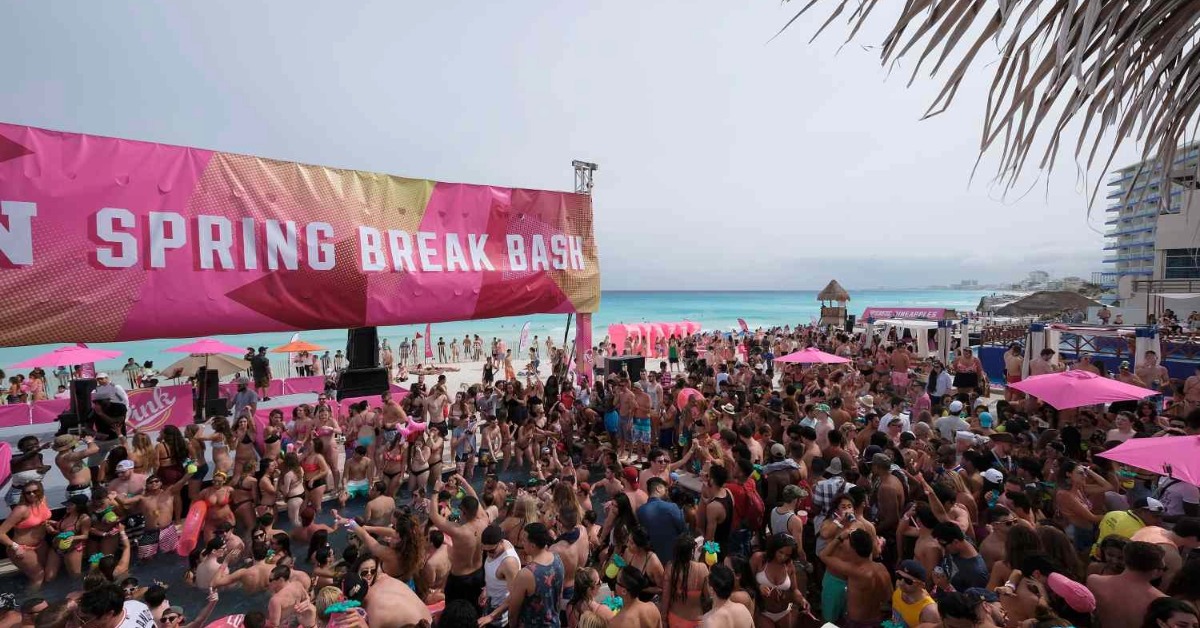
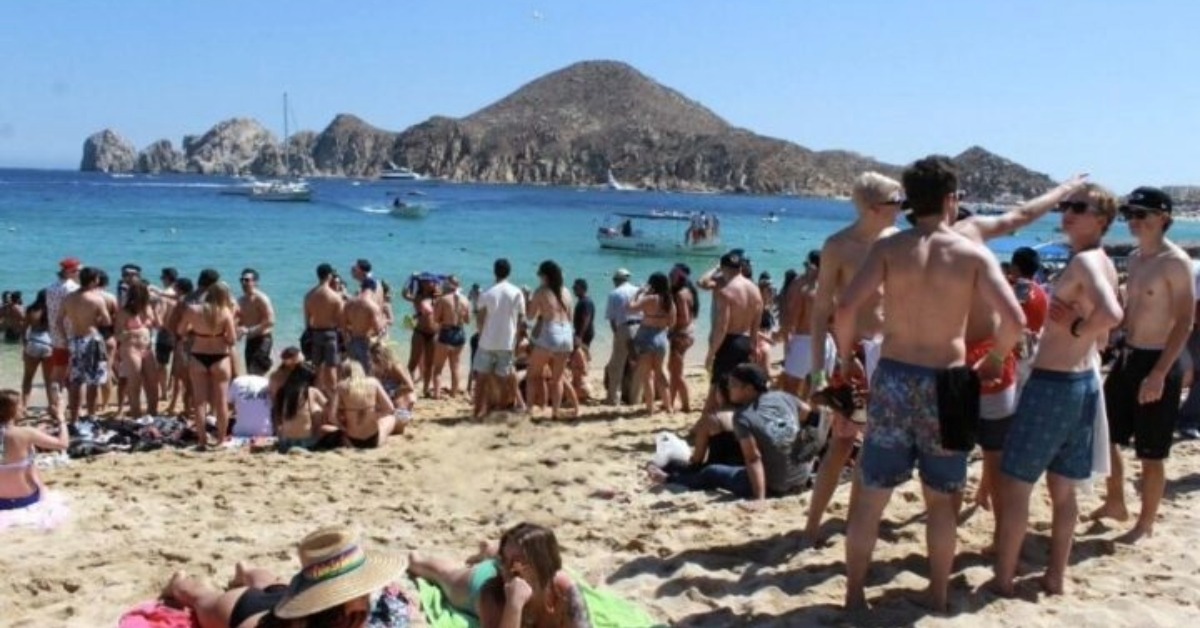
Hotels and tourism planners are still projecting a busy spring calendar. Local hotel leaders have forecast above 80% occupancy through much of March. Spring Break is expected to stretch from late February into early April. Estimates for 2026 have included about 50,000 students arriving during that window. Some projections place average daily spending at $150 per visitor on food, entertainment, and activities, excluding lodging and airfare. For restaurants, that should be the key opportunity to recover lost weeks. The question is whether the spending extends beyond the resort gates and the busiest beach blocks. A softer start to the year adds uncertainty. Airport operator data for January show Los Cabos traffic essentially flat year-over-year, with a slight decline. That points to a season that is not surging in every metric. Operators say they are adjusting menus, staffing, and promotions ahead of the peak weeks. They will know quickly if demand is back, because reservations and walk-ins move first.
What residents and regular visitors may notice
For expats and long-stay visitors, the impact is practical. A restaurant market under stress can change fast. When a venue closes, it can mean fewer options in the center and fewer shifts for local workers. It can also reshape service patterns, since experienced staff often move to resorts or leave the industry. Many residents judge the season by weekday crowds, not marketing claims. At the same time, competition can bring short-term changes. Some restaurants may offer earlier seatings, simpler menus, or fixed-price specials to control waste. Others may push harder on events and partnerships with hotels and tour operators. None of those moves guarantees survival. Much depends on steady foot traffic and predictable costs. The next several weeks will show whether spring visitors translate into consistent dining demand. If they do not, more closures could follow, and the recovery could concentrate even further along the luxury corridor. If they do, the downtown scene may stabilize, even if margins remain tight.