
A hotel access dispute in Los Cabos has become more than a transport story. After state inspectors stopped pre-arranged vehicles carrying spring break visitors to a Cabo San Lucas resort, local officials moved to contain the fallout. The episode raised questions about who controls tourist transport and why these conflicts keep returning. It also showed how fast a service disruption can become a reputational problem in a destination that depends on international travelers. Here is what happened and why it matters.
A dispute at the hotel gate
Los Cabos officials moved Tuesday to reassure visitors after a transport inspection dispute at the Hotel Riu Santa Fe in Cabo San Lucas. The confrontation came during the first days of the Spring Break season. State transport inspectors blocked buses and vans carrying U.S. students. They said the operators lacked the digital seals or paperwork needed to prove the rides had been pre-registered. Some visitors ended up walking in with their luggage while the issue was sorted out.
In subsequent complaints, business representatives said the delay caused frustration, schedule disruptions, and damage to the destination’s image. On March 17, Mayor Christian Agúndez said local authorities were working to ensure travelers continued to receive the level of service expected in Los Cabos. He treated the issue as more than a traffic problem. For a city that sells premium travel, scenes at a hotel gate can quickly become a wider test of confidence.
Why this matters beyond one hotel
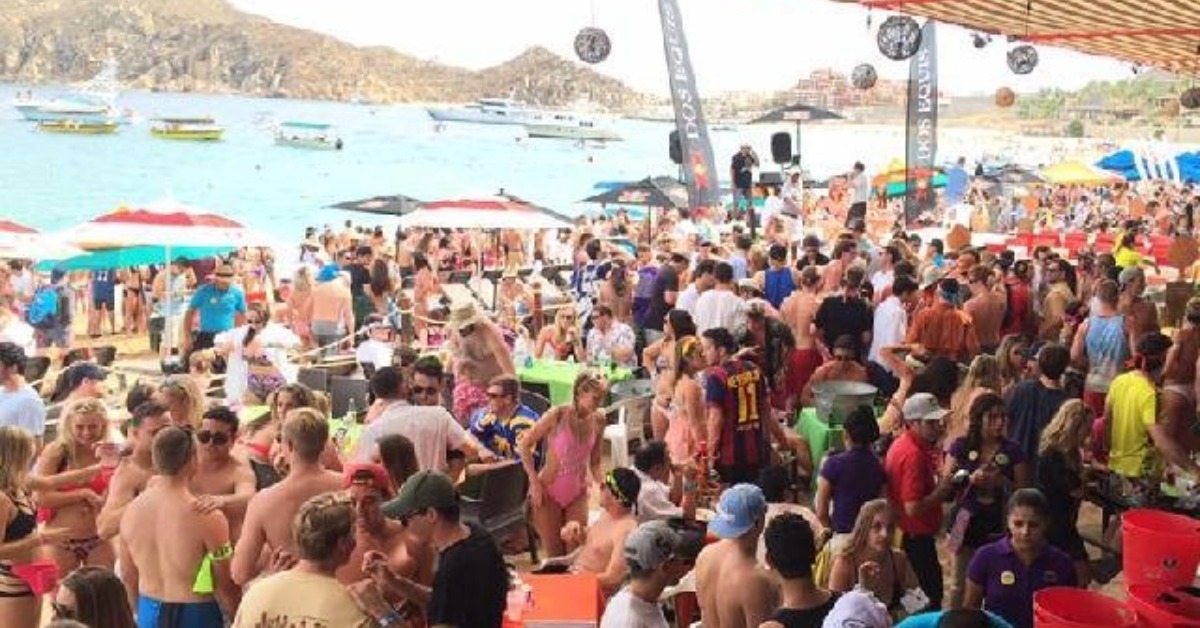
This was not a minor inconvenience. State tourism officials expect between 45,000 and 50,000 spring break visitors in Los Cabos between March 1 and April 3. They project more than $50 million in economic impact and say 12 hotels are taking part. Hotel leaders had already projected occupancy near 80 percent for March and April. Some Cabo San Lucas properties were already full before the busiest weeks.
That scale explains the urgency. Los Cabos markets itself as a luxury destination, with a focus on service and smooth logistics. When a bus of guests is stopped at a resort entrance, the story does not stay inside the transport sector. It becomes a question about whether the destination can deliver the controlled experience it promises.
The rule behind the confrontation
State authorities say transport operators working in hotel zones must upload and register pre-contracted services in an online system at least 70 hours in advance. Officials say the rule is meant to curb illegal or “pirate” service and bring order to a sector that has produced repeated clashes. The inspections now underway are part of that effort, and the state says they will continue.
Transport representatives tell a different story. They say the spring break services were arranged long before the students arrived. In their view, the problem was enforcement, not the absence of permits. Some argue that inspectors either misread the system or applied the rules too rigidly. That disagreement matters because it leaves travelers in the middle of a dispute they did not create.
The underlying fight dates back to this month’s incident. Los Cabos has struggled for years to define the line between federally permitted tourism transport, state regulation, and local taxi interests. Talks in 2024 were supposed to reduce clashes after earlier blockades disrupted tourists and flights. By 2025, industry groups were again warning that the rules were squeezing federally plated operators. The latest Spring Break dispute suggests the conflict was never fully settled.
Why officials moved fast to reassure travelers
Local authorities had already rolled out a Spring Break security operation before the hotel-access dispute. Municipal officials said they were increasing police presence, traffic controls, and prevention work in areas with the highest tourist concentration. Hotel representatives, business groups, and multiple levels of government were already coordinating for the season. That meant the transport confrontation landed in the middle of a broader effort to project order.
For international readers, that distinction matters. The public scene may have appeared to be a security incident. The immediate trigger, however, was a regulatory and operational fight over tourist transportation.
Even so, perception is part of the story. The U.S. State Department places Baja California Sur at Level 2, or exercise increased caution. It also says there are no specific travel restrictions for U.S. government employees in the state. In that setting, even a short disruption can feed broader anxiety about travel in Mexico.
That helps explain the city’s response. Officials are trying to show that Los Cabos still works the way visitors expect. The harder question is whether transport rules, inspection practices, and hotel-zone operations can be aligned before the next flashpoint. For Los Cabos, the issue is not only whether visitors arrive safely. It is whether they arrive smoothly, because in a destination built on premium service, that difference matters.