Mexico’s measles outbreak is still expanding, and one week in February stood out in the latest count. Health officials say Feb. 8–14 produced the largest increase this month, lifting the confirmed total beyond 10,000. The report breaks down which ages are seeing the highest incidence and who is being prioritized for vaccination. It also points residents to official tools for finding nearby clinics and hours. Here is what the update shows, and what to check if you live in Mexico full-time or seasonally.
Weekly increase hits February high
Mexico’s Health Ministry says the active measles outbreak has reached 10,634 confirmed cases nationwide. In the week of Feb. 8 to Feb. 14, officials recorded 973 new infections, using preliminary data for that period. The report notes that this weekly total is more than triple the peak week recorded in mid-April 2025, when 320 cases were confirmed. While the outbreak began with heavy concentration in Chihuahua in 2025, the virus is now present in all 32 states. As of the Feb. 20 cutoff cited in the report, cases had been detected across 375 municipalities. Health officials also flagged the highest incidence in infants under one year, at 57.23 cases per 100,000 people. Children ages one to four and five to nine followed, with rates of 17.74% and 12.15%, respectively. Authorities are urging families to review immunization records and close any gaps quickly. For many foreign residents, shared classrooms and crowded indoor spaces can raise exposure risk.
Who is being prioritized for vaccination
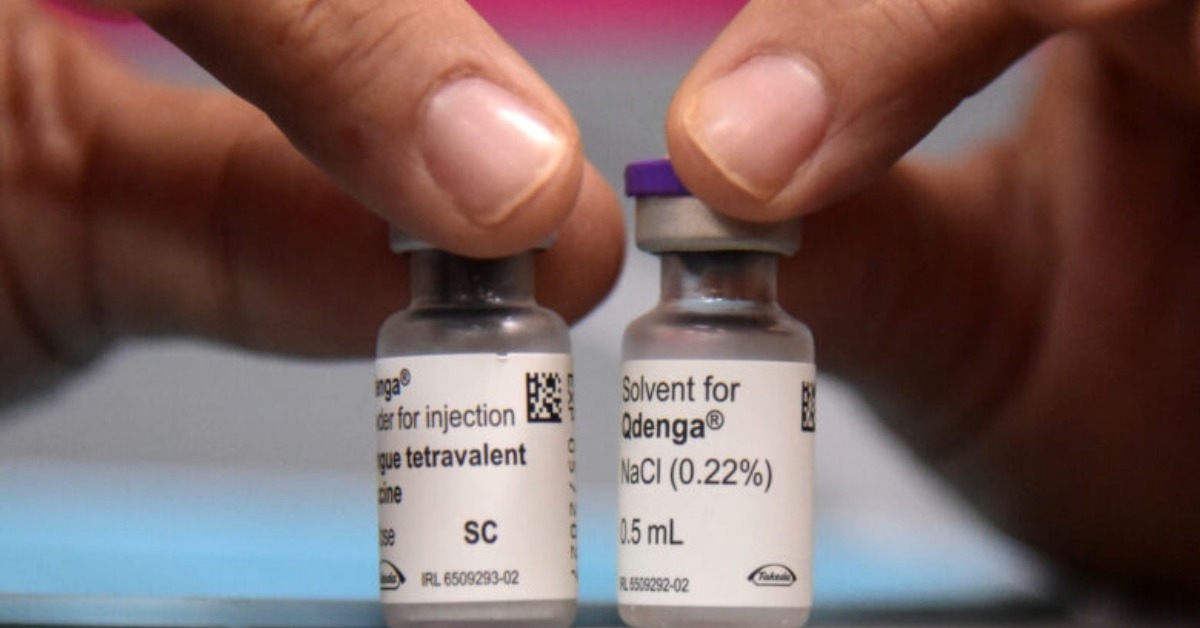
The Health Ministry says it has applied 18,220,877 measles vaccines from Jan. 1, 2025, through Feb. 20, 2026. The current strategy prioritizes children ages six months to 12 years who have no dose on record or need a booster. It also targets people ages 13 to 49 who lack proof of vaccination or have incomplete schedules. In Mexico, children commonly receive the combined measles, mumps, and rubella vaccine, known as SRP. During outbreaks, health services may also use SR, which protects against measles and rubella. IMSS guidance describes an early “dose zero” for babies six to 11 months in higher-risk settings, followed by SRP at 12 months and again at 18 months. For older children and adults, the guidance focuses on completing the series rather than repeating it without need. The intent is to shrink the pool of susceptible people so transmission can keep chaining. If you are unsure, a clinic can review your history and advise.
How to find a clinic and what to expect
Officials are directing residents to a national locator to speed access and reduce uncertainty about where vaccines are available. The “¿Dónde me vacuno?” tool lets users filter by state, municipality, age group, and vaccine type. It separates permanent vaccination units from temporary posts and displays basic location details. For people without reliable internet or who need help navigating the site, the government also points to the 079 phone line for guidance. IMSS says its vaccination is universal and free, including for people without social security coverage. In a recent intensive campaign, IMSS said it could vaccinate from 8 a.m. to 8 p.m. at hospitals, family medicine units, and other facilities. Even outside special weekends, the same locator can help confirm which sites are active near your neighborhood. If you have a vaccination card, bringing it can help staff update records faster. Foreign residents can use the same official tools to locate services. Requirements can vary by provider and state.
What expat residents should watch for
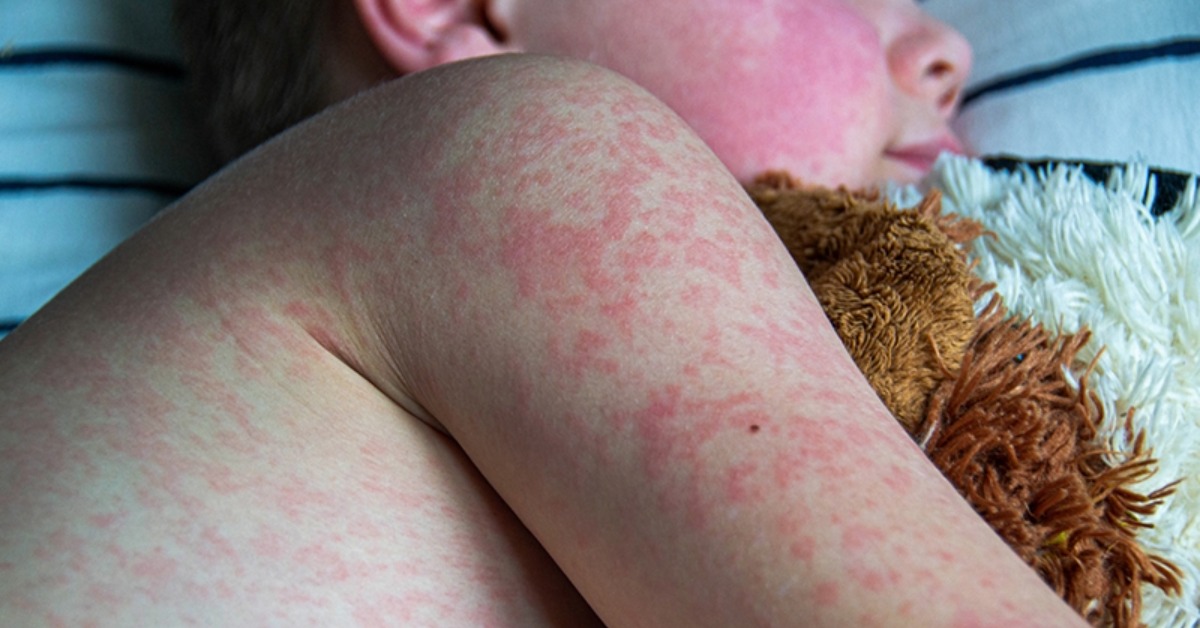
Measles spreads through the air and can spread fast in places with close contact. The illness often starts with fever, cough, runny nose, and red or watery eyes, then a rash appears days later. Health authorities note that people can transmit the virus from about 4 days before a rash begins to 4 days after it appears. That timing makes early recognition important, especially in households with babies and unvaccinated children. Two doses of a measles-containing vaccine are about 97% effective at preventing measles. Many adults vaccinated in childhood remain protected. People who are unsure of their status should ask a clinician or vaccination site to review their records. If you develop symptoms consistent with measles, avoid close contact with others and seek medical advice promptly. Calling ahead before arriving can help clinics reduce exposure in waiting rooms. For expat residents, this is also a moment to check school or daycare policies and confirm that children are up to date.
With information from La Jornada, ¿Dónde me vacuno?, IMSS, CDC, WHO, IMSS