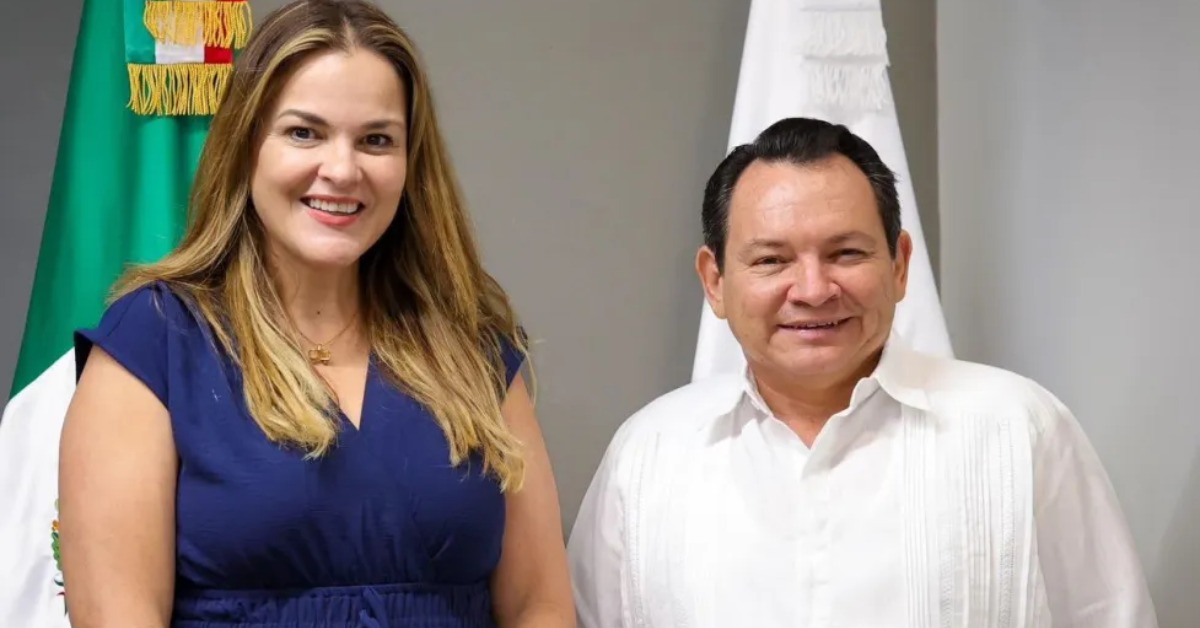
Mérida’s state and city governments are now publicly on the same page about two pressures residents feel at once: fast urban growth and the environmental strain that comes with it. A meeting between Governor Joaquín Díaz Mena and Mayor Cecilia Patrón Laviada highlighted a shared agenda on land-use planning, wastewater treatment, and the annual junk-removal drive ahead of the rainy season. The language was official. The issues were practical. What matters now is whether that coordination turns into visible action.
What the meeting put on the table
Governor Joaquín Díaz Mena and Mérida Mayor Cecilia Patrón Laviada used their working meeting to set out a common agenda for the capital. The subjects were not symbolic. They focused on orderly urban growth, wastewater treatment, and the annual descacharrización campaign held before the rains.
That matters because these are not separate problems. In Mérida, growth patterns affect infrastructure, land use, sanitation, and public health simultaneously. When officials talk about planning the city’s future, they are also talking about how neighborhoods expand, how services keep up, and how environmental risks are managed before they become more widespread and costly.
Why growth planning is a bigger issue now
The meeting also placed fresh attention on Mérida’s new Municipal Program for Territorial Planning and Urban Development. According to the official account, that program has already been approved by the city council and sent to the state’s urban development authority for review. That makes this more than a routine photo opportunity. It places the discussion inside an active planning process.
For readers outside Yucatán, the issue is easy to understand. Mérida has continued to attract new residents, investment, and housing demand. That brings economic activity, but it also puts pressure on roads, drainage, services, and the natural environment. Local officials are now trying to show that growth will be guided by rules, not only by market momentum. The broader test is whether that promise leads to better enforcement and clearer limits on where and how the city expands.
Wastewater is not a side issue
The meeting’s focus on wastewater treatment may sound technical, but in Mérida, it is central. Wastewater management is directly tied to environmental protection and the long-term health of the city. Earlier this month, local reporting described the municipal wastewater treatment plant in Chalmuch as a strategic installation and said the city is continuing modernization work there.
That context helps explain why wastewater came up in a meeting that was also about growth. Expanding cities do not only need more homes and roads. They also need stronger sanitation and environmental control systems. In a place where water and land conditions make these issues especially sensitive, the quality of wastewater management affects more than engineering. It shapes daily life, long-term planning, and public confidence in how growth is being handled.
Why the pre-rain cleanup matters
The other practical item was the annual descacharrización program. For international readers, that term usually refers to the removal of discarded bulky items and other household waste that can collect standing water. In Mérida, it is not only a cleanliness issue. It is also a public health measure tied to mosquito control ahead of the rainy season.
State health officials have previously described Mérida’s cleanup and container-based collection efforts as part of dengue prevention. The logic is simple. When old containers, tires, and other waste hold water, they can become breeding sites for mosquitoes. That is why the annual cleanup campaign returns every year before the rains. By placing it in the same conversation as wastewater and city growth, state and municipal authorities are signaling that environmental management and health prevention need to move together.
What residents should watch next
The immediate outcome of the meeting was alignment, not a new package of projects with firm deadlines. That does not make it unimportant. It means the value of the meeting will be measured by what follows. Residents should watch for movement on the state review of the urban development program, continued work on wastewater infrastructure, and clear details on how the next descacharrización effort will be carried out.
For Mérida, the larger story is that growth is no longer discussed only as a success. It is being discussed as a management problem that requires coordination between levels of government. That shift matters. A fast-growing city can keep adding people and investment, but if sanitation, environmental controls, and land-use rules fall behind, the costs can quickly mount. The meeting between the governor and the mayor suggests both governments want to show they understand that balance. The harder part starts now.