Mérida is treating three tourism segments as one package: weddings, community experiences, and meetings. At a public City Hall session, residents and experts pushed ideas ranging from better-trained wedding crews to new routes in outlying communities. City officials signaled they will continue to measure who comes, why they come, and what they spend. The next steps could affect everything from weekend tours outside the historic center to the scale of conferences the city can host. Here is what was proposed and what it may change.
A public session sharpened Mérida’s tourism priorities
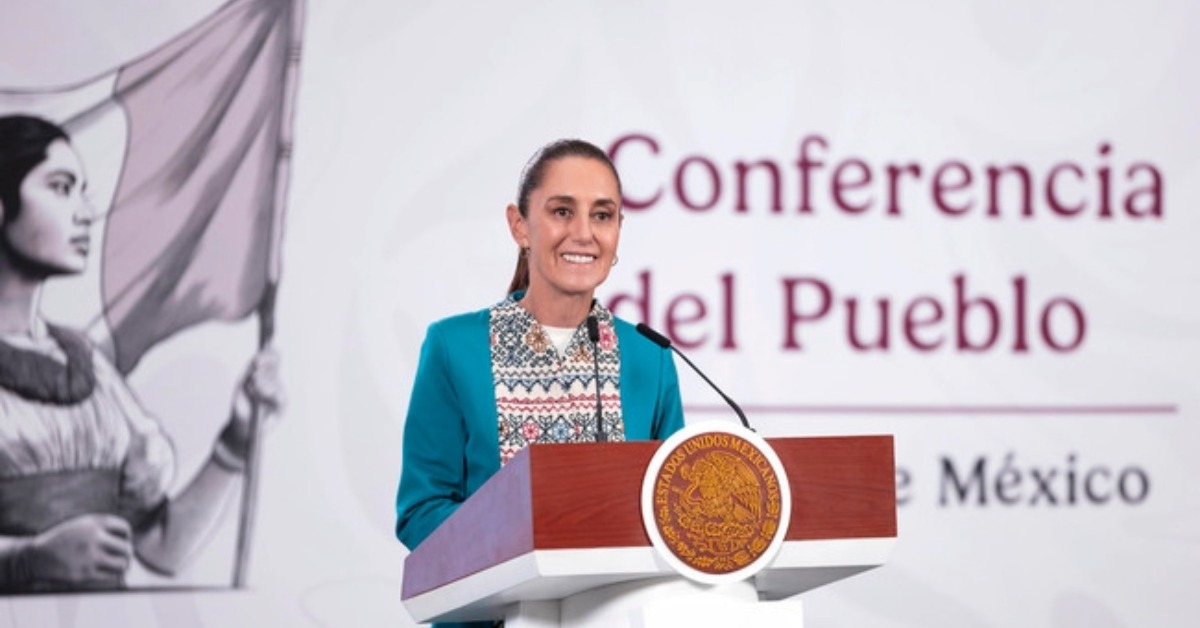
In a Cabildo Abierto session on February 26, Mérida leaders heard proposals from residents and tourism specialists. The focus was on three segments: romance tourism, community-based tourism, and MICE, the meetings-and-conventions market. Mayor Cecilia Patrón Laviada said the city will tighten strategies for each segment. She said tourism is a core economic activity in Yucatán. She cited an estimate that tourism generates 17 of every 100 pesos in the state economy. The proposals were presented by Kitzia Morales Torres, Uri Kaleb Huesca González, and Saúl Martín Ancona Salazar. One proposal called for stronger promotion of destination weddings and better-trained crews. Another pushed “Sé turista en tu ciudad,” aimed at driving visits to municipal communities beyond downtown. A third urged a stronger push for conventions and corporate events, with clearer targets. Officials said the city split off a dedicated tourism unit to focus policy and follow-up. They also said results will be tracked more closely, not just visitor counts.
Destination weddings hinge on training and coordination
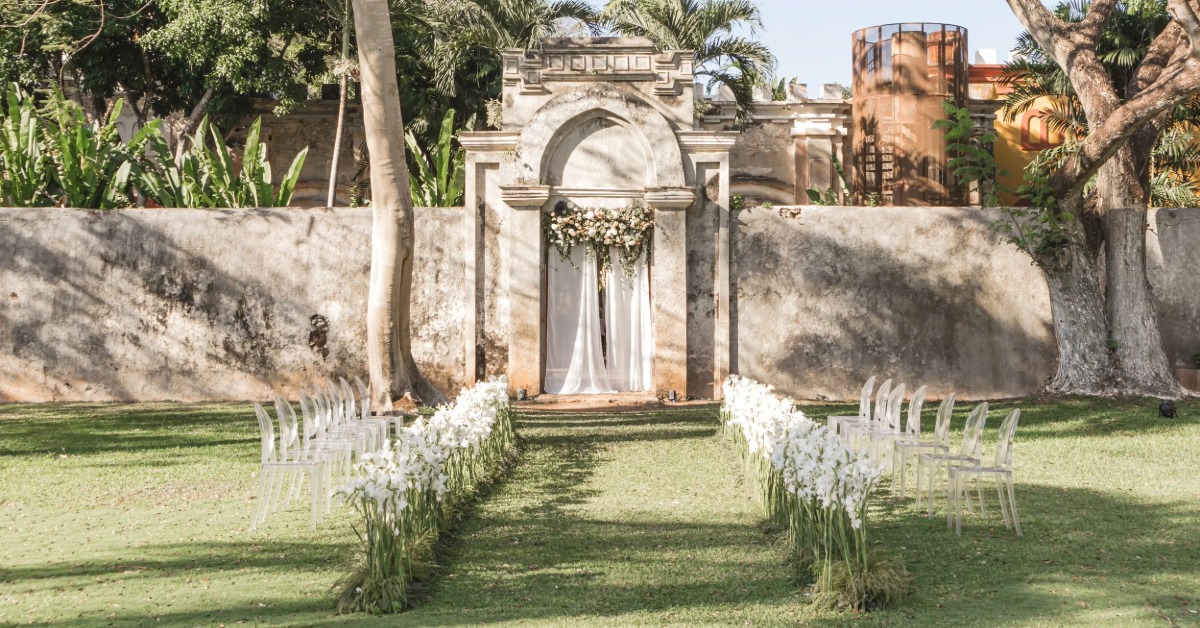
On destination weddings, officials highlighted coordination across hotels, venues, planners, transport, and catering. The mayor said the main gap is trained staff, not interest from couples. She said the city will expand training and professionalization across the wedding supply chain. That includes service standards, event logistics, and vendor coordination. Officials said better training should help attract bigger events and reduce service failures. In 2023, the Centro Internacional de Congresos de Yucatán hosted the Forever Wedding Summit. State tourism officials used that event to market Yucatán’s wedding sector to planners from several countries. City leaders now want the local workforce to match that promotion with consistent execution. For residents and long-term visitors, wedding tourism often arrives in short, concentrated bursts. It can raise demand for rooms, dining, and transport services. It can also expose gaps in staffing and supervision. The city’s plan is to reduce those gaps by building a deeper pool of trained workers.
Community tourism aims to spread benefits to comisarías
For community tourism, officials pointed to work already underway in more than seven comisarías. These are smaller municipal communities that often sit near natural reserves and farmland. The model is meant to link visitor spending with local income and environmental care. A recent program, Mérida Comunitaria, supported ten projects in 2025 and paired them with training. Training covered topics such as first aid, basic accounting, branding, and English. The city has said a second edition will start in 2026 and add new projects. Officials also said they will study proposals for fuller routes and longer visitor stays. That could mean more structured bike routes, visits to meliponaries, and community cooking projects. Mérida’s UNESCO Creative City of Gastronomy designation, granted in 2019, is part of the framing. For expats, the change could mean more day trips that start outside the historic center. For communities, the test is local control and fair benefit-sharing.
Conventions and meetings get a measurement-first approach
The third track is MICE, the business of meetings, incentives, congresses, and exhibitions. Speakers described it as a year-round market that can fill rooms outside holiday peaks. The mayor said decisions should follow data. She pointed to a city “traveler profile” tool and plans to track visitor satisfaction. Mérida’s venues set the ceiling for this segment. The Centro Internacional de Congresos de Yucatán promotes 50,000 square meters of total construction. It also lists a maximum capacity of about 10,000 attendees. Up north, the Centro de Convenciones Yucatán Siglo XXI reports a 2020 expansion. It says exhibition space rose to 23,000 square meters. With more measurement, the city says it can target events that match transport, lodging, and staffing. Officials said the goal is repeat business, not only volume. For expats, this often means more trade shows and short-notice hotel demand. For residents, it can mean busier corridors near venues and airport transfer peaks.
With information from Centro Internacional de Congresos de Yucatán, CULTUR Yucatán, SEFOTUR Yucatán, UNESCO Creative Cities Network