Each year, Mérida heads into spring with the same question: Will the first heat waves bring another round of outages? This time, business leaders say they are seeing more work on the system and more advanced notice of planned cuts. They believe that could matter when air conditioners drive demand higher. But they are also cautious. A few months of stable service will not prove much. The real test arrives when the city is running hot, and the grid has no slack.
Yucatán’s main business council says recent CFE work may lower blackout risk as Mérida nears the peak-heat season. Its president, José Enrique Molina Casares, says the group stays in frequent contact with the utility. Crews have been strengthening lines and working to stabilize supply statewide, he said. Some of that work has brought scheduled cuts in certain areas. The council shares those notices with member businesses so they can plan. Planned interruptions, officials say, are meant to reduce bigger failures later. The bigger question is whether that groundwork holds when demand jumps. In Mérida, demand climbs as air conditioners run longer and harder. When outages hit, they ripple fast through daily life. Water pumps can stop, the internet drops, and traffic lights fail. Businesses also face spoiled stock and interrupted payments. Residents are watching the spring transition closely. The council says 2026 will show whether the recent pace of work changes the pattern.
Heat season is when the system gets tested
The heat season is when the peninsula grid often feels tightest. Temperatures rise, and air conditioners run through afternoons and late evenings. That pushes local circuits and key transmission links closer to their limits. Business groups watch this period because it affects production and tourism services. In 2025, the peninsula hit peak demand of 2,991 megawatts. Reserve margin at that peak was reported at about 10 percent. The region has also seen large interruptions beyond neighborhood circuits. In September 2025, a transmission problem triggered a multi-state outage that hit Yucatán, Quintana Roo, and Campeche. Restoring power took hours in several cities, including Mérida. The grid operator has described late spring as a critical window. Reserve margins can narrow further as demand climbs. CFE says it has tried to reduce risk through maintenance and operational planning. For residents, the stakes are practical. Power loss can disrupt cooling, water service, and mobile coverage. That is why 2026 is being framed as a test of recent work.
What work is happening now in and around Mérida
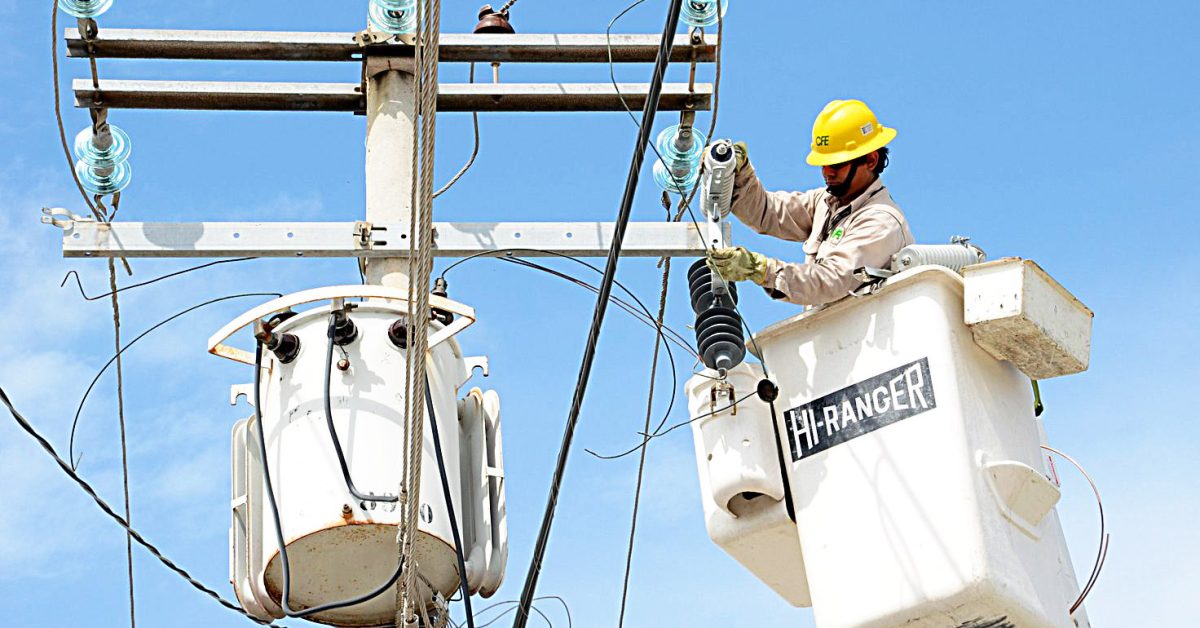
Much of the near-term plan is basic maintenance, even when it causes short interruptions. CFE has been doing preventive work on distribution lines and switching equipment across Yucatán. Those jobs can require brief shutdowns for worker safety. For businesses, notice matters as much as duration. The council says it uses its network to pass along times and locations. At the same time, the utility is planning new infrastructure for growing zones. In late February, reports indicated that CFE had begun an environmental review for a new substation north of Mérida. The project is tied to Komchén and the Las Américas II housing area. Substations help by shortening circuits and adding local capacity. Officials have also pointed to a new generation of units on the peninsula, including Mérida IV and combined-cycle units near Valladolid. More supply helps, but only if it can reach neighborhoods during peak demand. That puts renewed focus on both transmission links and local distribution.
What would count as progress for residents and businesses
Progress will be measured in what people notice, not what plans promise. The business council is watching how often power fails without warning. It is also watching how quickly crews restore service when faults occur. A planned cut is disruptive, but it is easier to manage. A sudden outage can shut down payments, elevators, and refrigeration. It can also trigger drops in water pressure in some areas. For expats working from home, even short outages can break calls and disrupt schedules. The council says clear communication is part of the fix. It wants reliable notice for planned work and faster updates during emergencies. Over the next few months, the heat will reveal weak links in transformers, feeders, and substations. If the system holds, interruptions may become more localized and shorter. If it does not, demand spikes will continue to expose the same bottlenecks. Either outcome will offer a clearer read on whether recent CFE work is changing day-to-day reliability in Mérida.