
What looks like a wording change in Mexico’s housing law could reshape how homes are judged, financed, and planned. Deputies advanced a bill that would replace the older idea of dignified and decent housing with adequate housing, a term with clearer legal meaning. The proposal reaches beyond rhetoric. It ties housing to services, safety, location, affordability, and legal tenure, while also widening the role of public institutions that finance or build homes for workers. What that could mean is bigger than it first sounds.
A procedural step with wider stakes
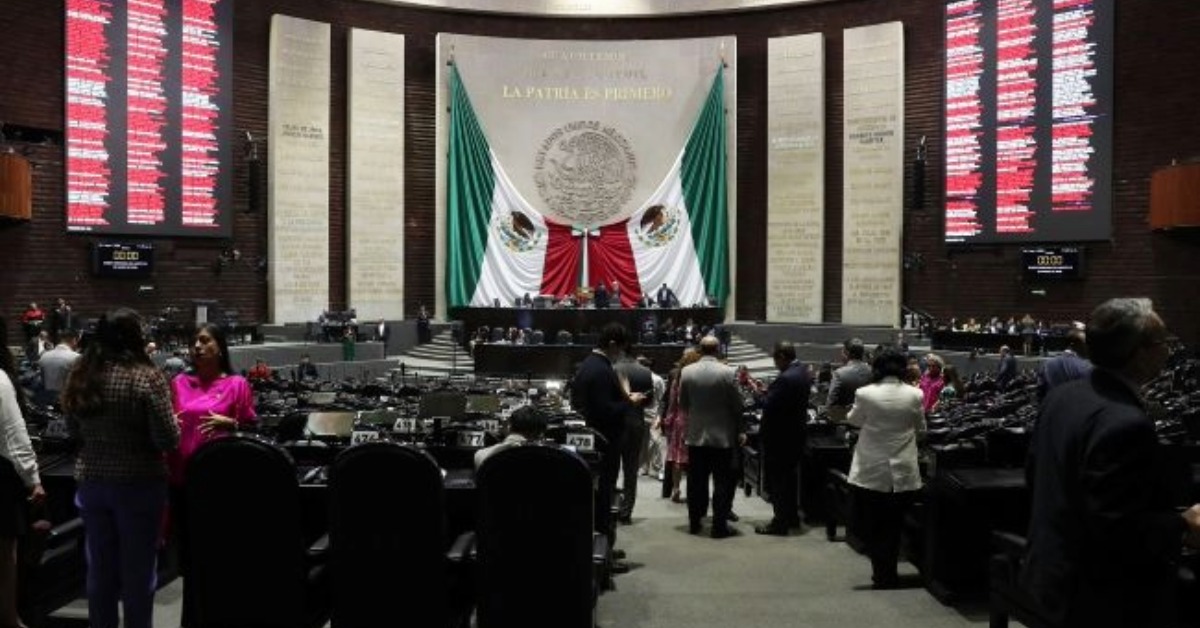
Mexico’s Chamber of Deputies moved Tuesday toward changing how federal law defines housing. The chamber gave the bill declaratoria de publicidad, a procedural step that formally circulates a committee draft before floor debate. That is not final approval. But it is a meaningful advance. Earlier, the Housing Commission backed the proposal to replace the older phrase “dignified and decent housing” in the Housing Law with “adequate housing.”
At first glance, the shift may look symbolic. It is more than that. The new language carries a clearer legal standard. It also brings the Housing Law closer to Mexico’s updated constitutional language. For lawmakers, the goal is to stop treating housing as a vague promise and define it through conditions that can be judged more concretely. That matters in a country where access to a formal home often depends on price, location, services, and the tools available to public housing institutions.
What adequate housing means
The bill says adequate housing is not just a roof and four walls. It includes accessibility, cultural adequacy, affordability, and the availability of services, materials, facilities, and infrastructure. It also includes habitability, security of tenure, and location. In practical terms, lawmakers are saying a home should be judged by whether people can actually live there safely, legally, and with basic dignity.
Some of those ideas are especially important for international readers. Security of tenure does not mean ownership alone. It means people should have legal protection against forced eviction, harassment, or other threats, even when they rent or occupy housing under another lawful arrangement. Location also matters. A home may exist on paper, yet fail residents in real life if it is too far from jobs, schools, health care, or transport, or if it sits in a risky area.
Habitability and services may be even easier to understand. A dwelling can fall short if it lacks safe water, sanitation, sufficient space, or protection from heat, rain, humidity, or structural hazards. Cultural adequacy adds another layer. It suggests that housing policy should respect how people live, build, and organize family and community life, rather than forcing a single model onto every region or social group.
Why the bill goes beyond wording
The proposal also tries to reshape how the National Housing Policy works. It says housing policy should better coordinate the public, social, and private sectors, as well as institutions that finance or build homes for workers. That may sound technical, but it could have real effects. The bill is not only redefining a right. It is also identifying which public actors can help deliver it.
Under the proposal, those institutions could acquire land, rehabilitate or build homes, support demolitions, finance self-produced housing, and urbanize land for new developments. They could also transfer or lease housing units under the rules that govern them. That part matters because Mexico’s housing debate is not only about rights language. It is also about whether the state has the tools to expand supply where the market has fallen short. That question is especially important for working households.
What happens next
The immediate impact is legislative, not instant. Tuesday’s step does not put new homes on the ground or change the housing market overnight. But it could change the benchmark used to design programs, assess projects, and measure whether authorities are honoring the constitutional promise. Over time, that can influence how governments talk about land, housing finance, evictions, infrastructure, and urban growth.
For many readers, the takeaway is straightforward. Mexico is trying to convert a broad social right into a more precise legal standard. If the bill clears the rest of the process, future disputes over housing will be argued less around rhetoric and more around whether a home is truly adequate. That is a small word with large consequences.