Mexico and the United States will open the first round of bilateral talks on March 16 ahead of the 2026 T-MEC review. The meeting will not rewrite the pact on day one, but it will show which issues both sides want to move first and which questions may be reserved for the formal joint review later this year. For Mexico, the early signals matter because they touch trade certainty, supply chains, and one of the country’s most important economic relationships.
A bilateral start before the formal review
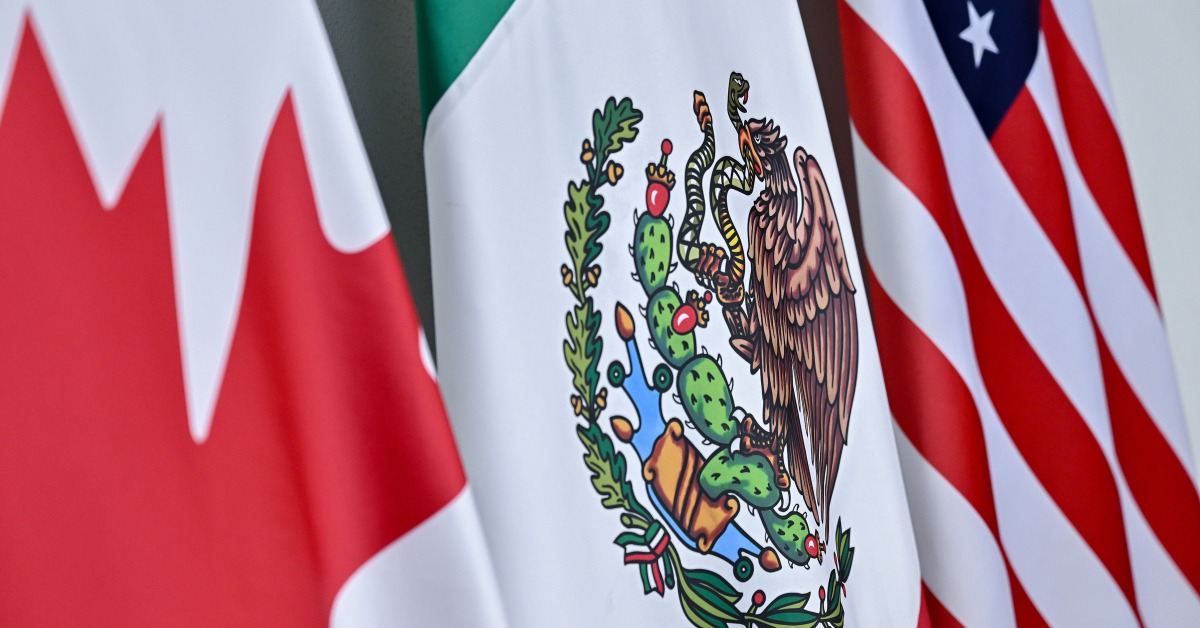
Mexico and the United States are expected to begin formal bilateral talks on March 16. The date was announced by Economy Secretary Marcelo Ebrard and confirmed by the office of U.S. Trade Representative Jamieson Greer. The meeting is the first step toward the 2026 review of the T-MEC, known in English as the USMCA. The initial session is being framed as a scoping round rather than a full rewrite of the pact. Even so, it will help define the issues that could dominate the review in the coming months. Mexican officials say the opening agenda includes rules of origin, stronger regional production, deeper economic integration, and greater security in North American supply chains. U.S. officials have described the same priorities in similar terms. Both sides also expect negotiators to keep meeting after the first session. The March 16 meeting has been announced as bilateral. But the wider treaty process remains trilateral, and the early talks appear designed to shape that broader stage rather than replace it.
Why the calendar matters
The timing is important because the treaty itself sets 2026 as the year for the first joint review. Under Article 34.7, the agreement is subject to review on the sixth anniversary of its entry into force. The pact took effect on July 1, 2020. U.S. policy documents say the joint review is scheduled for July 1, 2026. That means the March 16 talks arrive as an early positioning exercise before the formal trilateral meeting. The treaty also includes a 16-year term extension mechanism. In practice, that means the three governments must state whether they want the agreement to continue. If they do, the pact can roll forward for another 16 years. If they do not all confirm, the review does not end the treaty at once. It does, however, begin a more uncertain path with recurring reviews. This is why the first bilateral talks matter beyond symbolism. They offer an early look at what Washington and Mexico City want to protect, tighten, or clarify before the formal review opens.
What negotiators are likely to test first
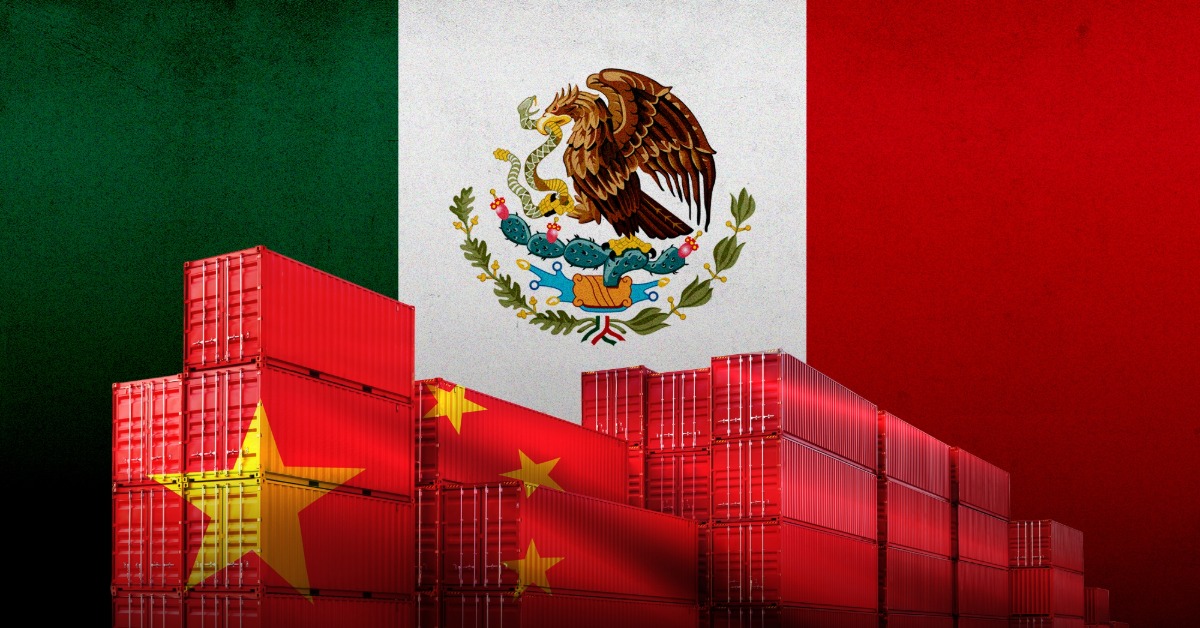
The clearest signal so far is simple. Both governments want the first round to focus on how much of North America’s trade production stays inside the region. That points directly to the rules of origin, which decide when goods qualify for preferential treatment under the pact. It also points to a broader push to reduce reliance on inputs from outside North America and to strengthen supply-chain resilience. Those goals have direct consequences for the auto industry, manufacturing, logistics, agriculture, and industrial goods. They also fit the wider political backdrop. The agreement has protected many Mexican exports from broader U.S. tariff actions, but not every product is covered in the same way. As a result, both governments enter the review with clear incentives to defend market access while seeking leverage. Nothing announced so far suggests immediate rule changes on March 16. The first meeting is better understood as the opening move in a longer negotiation. That process could shape the region’s trade framework well beyond this year.
Why this matters to readers in Mexico
For readers living in Mexico, the importance of these talks is not abstract. Mexico was the United States’ top goods trading partner in 2025. Two-way goods trade reached about $872.8 billion. U.S. goods imports from Mexico totaled $534.9 billion, while exports to Mexico reached $338.0 billion. Those figures help explain why even an early procedural meeting draws attention. The treaty underpins factory activity, freight movement, export industries, and business planning on both sides of the border. Any shift in the review process can affect investment decisions long before final rules change. That does not mean consumers or businesses should expect immediate disruption from the March 16 session. It does mean they should watch the themes that emerge from it. If negotiators concentrate on regional content, supply security, and competitiveness, that will be an important signal. It would show where both governments want to push the review next. For Mexico, that direction could shape the next phase of its economic relationship with the United States and Canada.