The arrest of Remigio “N,” known as Milo, looks simple at first glance. Mexican authorities say he is wanted in the United States for human trafficking and organized crime. But the case opens a larger story about how cross-border criminal networks work in Mexico’s Caribbean corridor, why Quintana Roo keeps appearing in U.S. court files, and what an arrest really means when extradition is still only beginning.
A high-profile arrest in Mexico’s Caribbean corridor
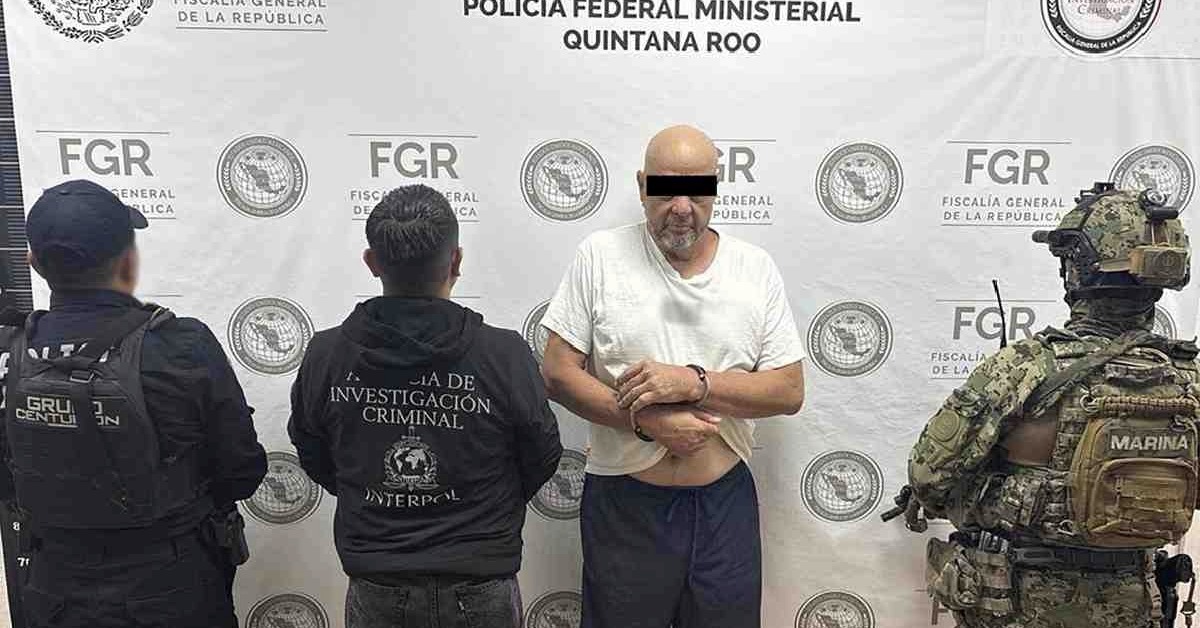
Mexican authorities say Remigio “N,” alias “Milo,” was arrested in Quintana Roo as part of a joint operation involving federal and state forces. Officials described him as an operational and financial coordinator for a transnational criminal group and said he is subject to an extradition process requested by the United States for human trafficking and organized crime charges.
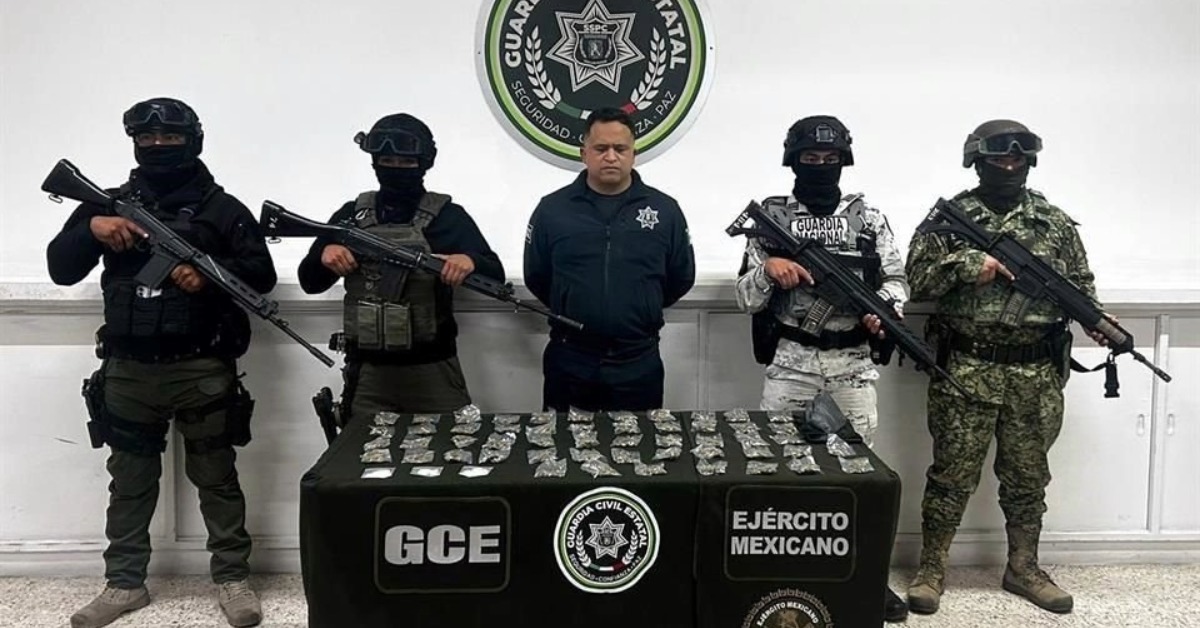
The arrest took place in the municipality of Benito Juárez, which includes Cancún, one of Mexico’s most important tourism hubs. Authorities said a second person was detained with him. They also reported the seizure of 38 doses of marijuana and a gray vehicle. After his identity was confirmed, officials said he was flown to Mexico City to continue the extradition process.
That official account is brief, but the location matters. Quintana Roo is known internationally for its beaches and resort economy. It is also a state that has repeatedly appeared in investigations into smuggling, extortion, and cross-border criminal activity. For international readers, that contrast is part of what makes this case important. A story that begins in Cancún quickly reaches U.S. courts, migration routes, and organized crime investigations that stretch far beyond one city.
Why the case matters beyond one suspect
The arrest is not only about whether one man is sent to the United States. It also shows how Mexico-U.S. security cooperation continues to work in practice. Mexican authorities carried out the detention, but the case is tied to U.S. charges and an extradition request. That is a reminder that criminal investigations do not stop at the border, especially when prosecutors believe a network operated across several countries.
For readers living in Mexico, the case is also a window into a type of organized crime that often gets less attention than cartel headlines. Human trafficking and migrant smuggling networks do not always look like the drug trade in public coverage. They often depend on routes, safe houses, local facilitators, extortion payments, and control over vulnerable people who are trying to move north. Those operations can be violent, profitable, and deeply transnational.
This matters in Quintana Roo because the state’s geography makes it useful to many kinds of illicit movement. It is a gateway for tourism, migration, maritime traffic, and international connections. That does not mean every arrest in the region reflects a wider pattern. But in this case, authorities on both sides of the border have already pointed to a broader criminal structure rather than an isolated local offense.
The broader network behind the arrest
Mexican authorities did not publicly release a detailed narrative of the U.S. case against Milo on the day of his arrest. Still, the name used in Mexican reporting overlaps with a network that U.S. prosecutors have described in earlier cases as La Mafia Cubana en Quintana Roo. In prior federal cases in South Florida, U.S. authorities said that a broader organization had operated in Cuba, Mexico, Spain, and South Florida since at least 2009.
According to those U.S. court records and press releases, members of that broader network were accused of profiting from the smuggling and extortion of Cuban migrants held in Mexico while relatives were pressured to pay. In a separate 2020 U.S. case tied to Cuban migrants, prosecutors described a scheme in which victims were taken to Mexico, held for ransom, and threatened with torture or death if families did not pay. Those filings do not, by themselves, prove the allegations against Milo. But they do show the kind of criminal structure U.S. authorities say they have been pursuing in the region.
That context is important because it explains why the charges matter beyond a routine arrest notice. When authorities use phrases like transnational criminal group, the wording can sound vague. In this case, earlier U.S. prosecutions suggest a network built on movement, coercion, and money. The allegation is not simply that people were moved across borders. It is that migrants were turned into a source of repeated profit through pressure, confinement, and extortion.
What extradition means from here
An arrest linked to extradition is not the same as a transfer to the United States. Mexican authorities said Milo was taken to Mexico City to continue that process, which means the legal path is still underway. In practice, extradition usually involves court review in Mexico and additional procedural steps before any handover can occur.
That distinction matters because early headlines can make an extradition case sound finished when it is only beginning. The arrest is a significant development. But the next phase is legal, not tactical. Courts and federal authorities in Mexico still have to move the case forward. That process can be fast in some matters and slower in others, depending on filings, challenges, and procedural review.
For international readers, this is one of the key takeaways. Wanted by the United States does not mean a person is already in U.S. custody. It means Mexico has acted on a request or process tied to a foreign case. What happens next depends on the extradition file, not only on the arrest itself.
What this story tells readers in Mexico
The case is a reminder that organized crime in Mexico is not limited to the battles that dominate national headlines. It also includes quieter but highly profitable systems built around migration, coercion, and cross-border movement. Those systems can operate in places better known for tourism than for federal prosecutions.
For expat readers and long-term foreign residents, the most useful way to read this story is with context. This is not a sign that daily life in Quintana Roo is defined by one criminal case. But it is evidence that the region sits within a larger map of enforcement, migration pressure, and organized crime activity that often comes to light only when an arrest brings it into view.
The immediate facts are straightforward. Milo was arrested. Mexican authorities say the United States wants him for human trafficking and organized crime. He has been moved to Mexico City as the extradition process continues. The larger story is what sits behind those facts: a long-running cross-border investigation, a network tied to migrant exploitation, and a security issue that connects Mexico’s Caribbean coast with prosecutors in the United States.
Explore More:
FBI-linked suspect arrested in Cancún in alleged mafia ring
Mexico Transfers 37 High-Risk Cartel Suspects to US Custody
Report maps Tren de Aragua routes and cartel ties in Mexico
Mexico Arrests Seven in Cross-Border Extradition Push
How Cartels Operate Through Mexico’s Supply Chains Now
Why Cartels Decide Where Fentanyl Spreads in Mexico