Mexico has arrested seven people wanted by courts in the United States, but the headline leaves out the harder question of what happens next. The cases span drug trafficking, homicide, and sexual abuse allegations, and they were built through coordination between Mexican agencies, Interpol, and U.S. authorities. For many international readers, the real story is not only who was arrested but also how extradition works in Mexico, why it can move slowly, and what legal hurdles still remain before any transfer occurs.
A multi-state operation with several U.S. cases
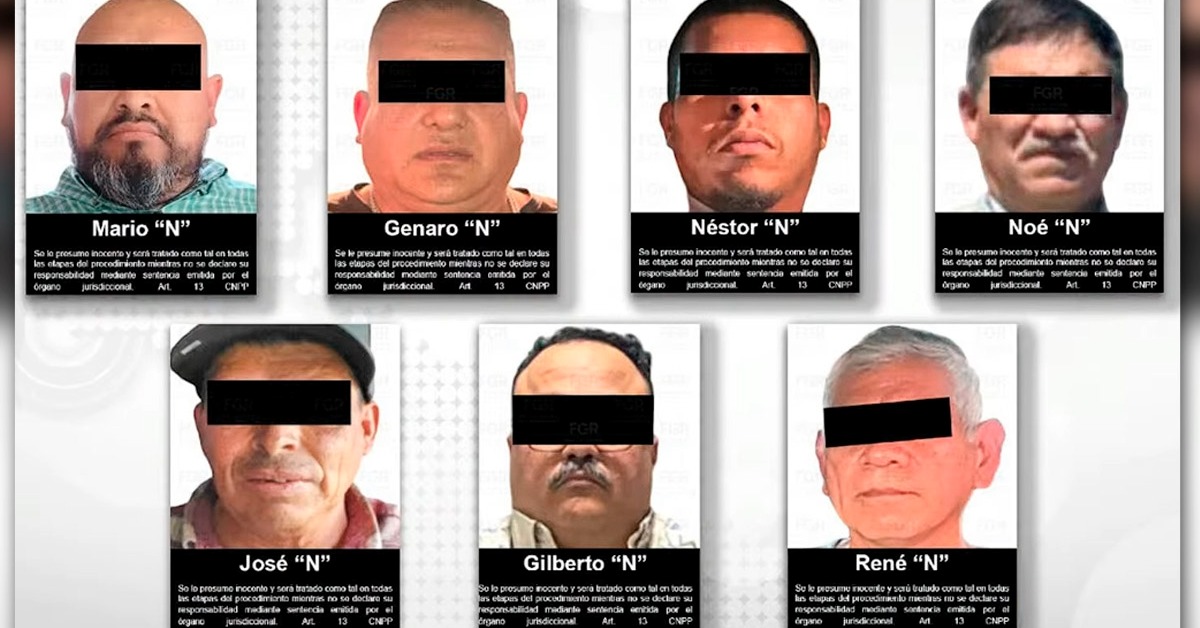
Mexico’s Attorney General’s Office said seven Mexican nationals were arrested in operations across five states. The states were Baja California, Jalisco, Nuevo León, Coahuila, and San Luis Potosí. U.S. courts are seeking their extradition. Authorities described the arrests as the result of information-sharing between the FGR, the federal security cabinet, Interpol, and foreign agencies. The charges are not tied to one single investigation. Instead, they involve several separate U.S. cases linked to drug trafficking, homicide, and alleged sexual crimes against minors. That matters because the operation was not aimed at a single network. It was a coordinated response to several court requests, all moving at the same time, on both sides of the border.
In the main narcotics case, prosecutors say one suspect in Baja California coordinated drug shipments into San Diego and other U.S. cities. They allege he used land routes and cross-border tunnels. Another man detained in Mexicali is wanted in New York on allegations tied to cocaine and fentanyl distribution. In Texas, prosecutors are seeking one suspect in a Houston homicide case and another in a drug conspiracy case. Separate cases in Utah, Texas, and California involve alleged sexual abuse of minors. Mexican authorities said the men must be treated as innocent until a court rules otherwise.
The immediate message from the arrests is straightforward. U.S. criminal cases do not stop at the border. Mexico is also showing that it will act when formal requests and international police coordination align. But the legal meaning of the announcement is narrower than many headlines suggest. These seven people were not automatically sent north. Mexican authorities said the suspects were placed at the disposal of courts and justice centers in Mexico. The extradition procedure must continue there. That distinction matters for readers who see the phrase “wanted for extradition” and assume a transfer has already happened.
What extradition means in practice
Under Mexico’s International Extradition Law, the process runs through both the courts and the executive branch. The legal framework with the United States rests on a bilateral extradition treaty. It was signed in 1978, took effect in 1980, and was updated by protocol in 1997. In practice, a foreign government cannot simply ask the police to make an arrest. It cannot then collect a suspect at the airport. The request must move through formal channels. Mexico’s Foreign Ministry and the FGR handle the file first. A federal judge then reviews whether the case fits the treaty and Mexican law.
Mexican law also makes clear that a detention for extradition purposes is only the opening move. If a country first asks for precautionary measures, it must still file the formal extradition packet within two months. Once a person is detained, a federal judge must inform that person of the request and the supporting documents. The accused can appoint a defense lawyer and raise specific objections. The judge then issues a legal opinion. The file goes back to the Foreign Ministry, which decides whether to grant or refuse extradition. If extradition is granted, the decision can still be challenged through amparo before any surrender takes place.
That process answers another common misunderstanding. Mexican citizenship is not an automatic shield against extradition. Even so, the law says handing over Mexican nationals is an exceptional decision. At the same time, the law includes safeguards. Mexico can refuse extradition in political or military cases. It can also refuse when prosecution is time-barred, or when there are grounded reasons to fear torture or enforced disappearance. So even when authorities present an arrest as a breakthrough, the final handover still depends on legal findings, executive decisions, and possible appeals.
Why this matters beyond the arrests
This case also shows how broad U.S.-Mexico security cooperation has become. Public discussion often centers on cartel leaders and fentanyl cases. These seven arrests tell a wider story. The requests involve alleged trafficking, but also homicide and child sexual abuse. That suggests the extradition channel is not being used only for headline cartel figures. It is also being used for a wider set of cross-border prosecutions. That matters because local arrests in Mexico can be driven by U.S. court files, treaty obligations, and bilateral policing.
The next step is not another press conference. It is paperwork, hearings, and legal review. The key questions now are simple. Will the United States file or complete each formal request on time? Will Mexican judges see the cases as treaty-compliant? Will the Foreign Ministry authorize surrender after reviewing the record? In other words, the March 18 announcement should be read as the start of seven extradition cases. It is not the end of them. The outcome will depend on how those cases move through Mexico’s courts. It will also depend on executive decisions in the days and weeks ahead.