A routine demolition on one of central Mexico City’s busiest corridors turned into a long rescue operation and a prosecutor’s investigation. The structure had already been weakened by past earthquakes and was scheduled to come down under authorized work. Instead, several slabs gave way, trapping workers and raising new questions about how risky demolitions are supervised in dense urban areas. Here is what authorities have confirmed, what remains unclear, and why the collapse matters beyond one worksite.
What happened in San Antonio Abad
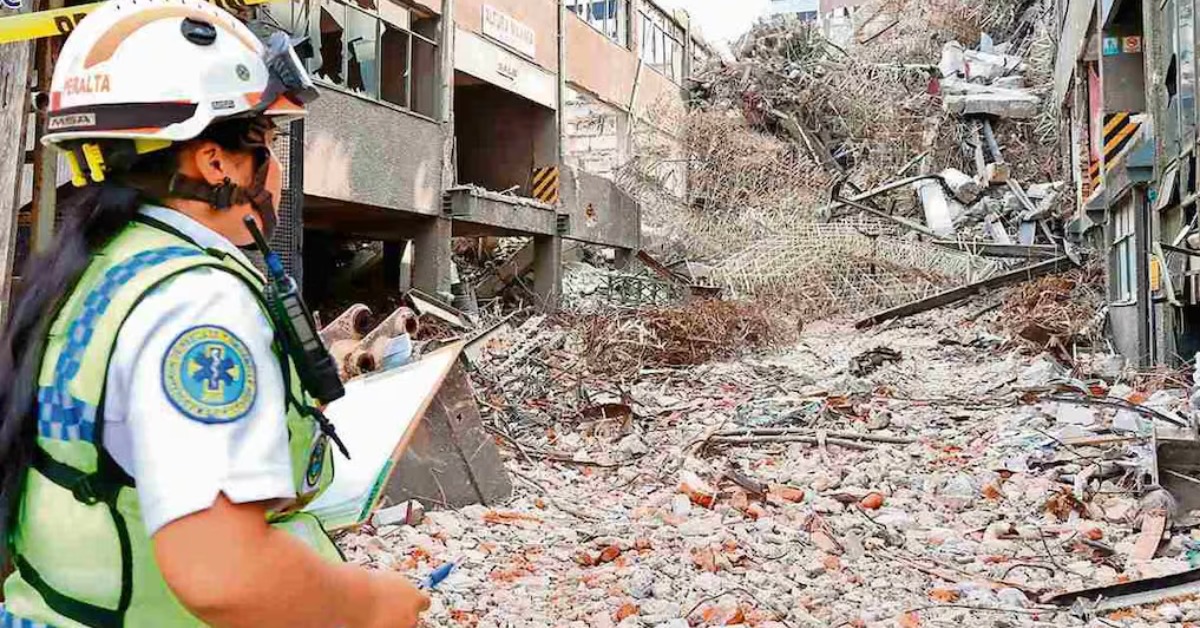
The collapse happened Monday afternoon on Calzada San Antonio Abad in the colonia Tránsito of Mexico City. Emergency crews rushed to the site after part of a private building under demolition gave way. Early reports said one worker had died, another had been pulled out alive, and two more remained under the debris. Rescue teams kept working through the night with firefighters, civil protection staff, military personnel, and search dogs. The emergency drew a large multiagency response in one of the capital’s busiest central corridors. By Tuesday morning, authorities said the toll had risen to three workers dead, while one survivor remained hospitalized. Officials said four workers were trapped when the structure failed. The rescue unfolded near Metro San Antonio Abad. Collapsing concrete slabs and unstable debris forced crews to move carefully. The case quickly became a broader public safety story. The building was already known to be damaged, and the work was part of an authorized demolition process.
What is known about the building
Authorities have said the building had a long history of risk. According to officials, the structure had suffered damage in the 1985 earthquake and then sustained heavier damage in 2017. That history matters. This was not a routine demolition of a stable building. It was the removal of a structure with known weaknesses. That made the demolition a safety issue beyond the work crew itself. City officials described it as private property that had been allowed to undergo demolition. Local authorities also said the site had a demolition permit issued in November 2025 because it was considered high-risk. Officials identified Desarrolladora Metropolitana, or DeMet, as the company handling the work. One surviving worker was taken to Hospital Rubén Leñero after the collapse. Authorities have not publicly explained what stage of work was underway when the slabs failed. That missing detail will matter as investigators decide whether procedure, structural instability, or both caused the collapse.
What investigators now need to answer
The immediate investigation will focus on why three slabs came down during a demolition that was meant to reduce danger. City authorities said the Mexico City prosecutor’s office will carry out peritajes to establish the cause. That review should cover the demolition plan, site conditions, and safeguards used during the work. It should also examine the permits, the company’s role, and the oversight applied to a building with a documented earthquake history. There are still gaps in the public record. Reports have differed on how many workers were on the wider site, although authorities have consistently said four people were trapped. Authorities have also said the demolition work has been suspended during the investigation. That confusion is common in fast-moving emergencies, but it also shows why official findings matter. For families, the main issue is accountability. For the city, the question is whether this was a tragic accident or a failure in planning and supervision.
Why this collapse matters beyond one site
For residents, this story reaches beyond one corner of Cuauhtémoc. Mexico City still lives with the legacy of damaged and aging buildings, especially in dense neighborhoods where demolition, reconstruction, transit, and daily life overlap. When a structure falls during controlled work, the public expects more than rescue updates. It expects answers about risk management, worker protection, and oversight. That is why this collapse matters even to people who never pass through San Antonio Abad. It is a reminder that urban construction safety is not only about new projects. It also depends on how authorities and contractors remove the buildings that can no longer be safely used. The emergency has ended, but the harder part starts now. Investigators must explain how a permitted demolition of a quake-damaged building turned fatal in one of the country’s largest and most-watched cities. Until that happens, the collapse will stand as a warning about the narrow margin for error in high-risk urban works.