Mexico City is using its latest security report to argue that the capital is entering a crucial year with stronger numbers and tighter coordination. Homicides fell again in February, officials said, and vehicle theft also moved down. The timing matters. With the 2026 World Cup getting closer, city leaders are trying to show that lower crime is not a one-month result but part of a longer trend. The harder question is whether residents and visitors will begin to feel that shift just as clearly.
What February showed
Mexico City officials say February extended a downward trend in the crimes they treat as the clearest safety benchmark. Clara Brugada said homicides fell 22 percent from February last year. The city also recorded an 8 percent drop in high-impact crimes for the month. She said the capital averaged 1.8 homicides a day in February. Officials described that as the lowest level of the current administration. They also said the city had not reached that level since 2022. The monthly update matters beyond City Hall’s messaging. Homicide remains the number most closely watched inside and outside Mexico. It is the measure officials use to show whether a security strategy is working. A lower total does not answer every concern about safety. Still, it gives Brugada a concrete benchmark as she argues that the capital is moving into 2026 with crime trends still pointing down. For a city that wants to project readiness, that distinction matters.
Why the timing matters
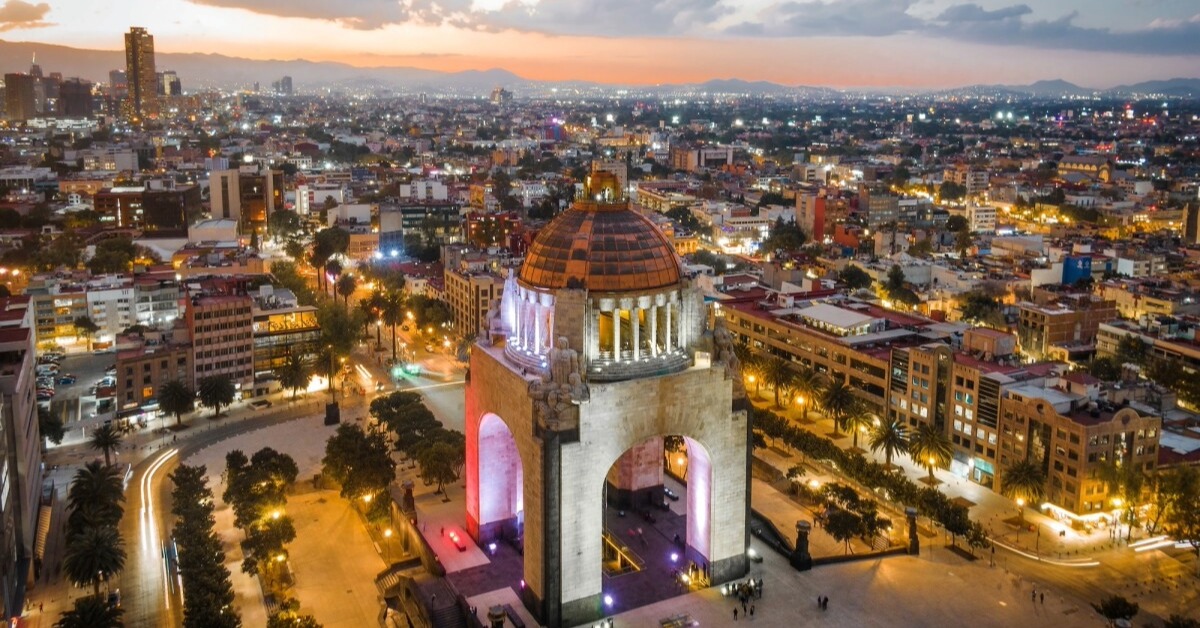
The timing of the announcement is not accidental. Mexico City is a host city for the 2026 World Cup. Local authorities have tied recent security updates to the city’s readiness for the tournament. That framing has grown stronger in recent days. Officials are also promoting new coordination with the city’s 16 borough governments on security, mobility, tourism, and public services. For the Brugada administration, the argument is simple. A city preparing for one of the world’s biggest events needs more than stadium work and transport plans. It also needs evidence that everyday risk is being pushed down. That helps explain why the February report leaned so heavily on homicide, vehicle theft, and the broader category of high-impact crime. Officials want those figures to support a larger claim. They want to show that Mexico City is not only preparing to host visitors. They also want to show that the capital is entering the tournament with firmer public order than it had in past years.
The broader message from City Hall
The administration also used the report to argue that enforcement remains active, not just statistically favorable. Officials said vehicle theft fell 28 percent in February from a year earlier. Reported cases totaled 359 for the month. The daily average fell to 13, down from 23 at the start of the current administration. Authorities also said they have made more than 9,300 arrests for high-impact crimes since October 5, 2024. They said those operations have also targeted organized criminal groups across the capital. That part of the message matters for Brugada. Lower reported crime can be dismissed as abstract or temporary. Governments need to show arrests, investigations, and pressure on criminal networks. By pairing falling homicide figures with detentions and targeted operations, the city is trying to argue that the decline is being produced, not simply observed. It is also trying to show that the security conversation before the World Cup will be about sustained policing, not only public relations. That is a crucial distinction for a government under international scrutiny.
For residents, commuters, and visitors, the value of the February update will not be measured at a press conference. It will be tested in transit corridors, nightlife zones, tourist areas, and the neighborhoods that shape the city’s daily rhythm. That is where official progress either becomes visible or remains an administrative claim. Still, the latest report gives Brugada something she clearly wants ahead of a year of heavy international attention. It gives her a set of numbers she can point to as evidence that security is improving while the city prepares for the World Cup. That does not end the debate about safety in a metropolis as large and unequal as Mexico City. It does, however, show how central crime data has become to the capital’s public case, that it can manage both ordinary urban pressure and the demands of a global event. The next few monthly reports will matter even more.
With information from Secretaría de Seguridad Ciudadana de la Ciudad de México, Jefatura de Gobierno de la Ciudad de México