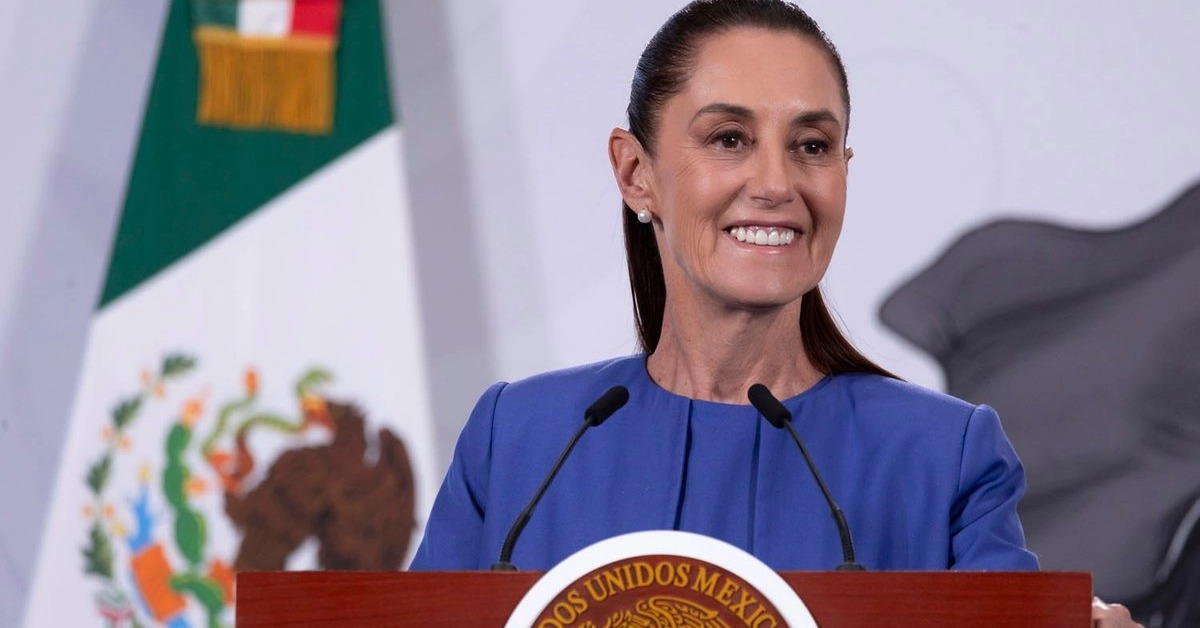
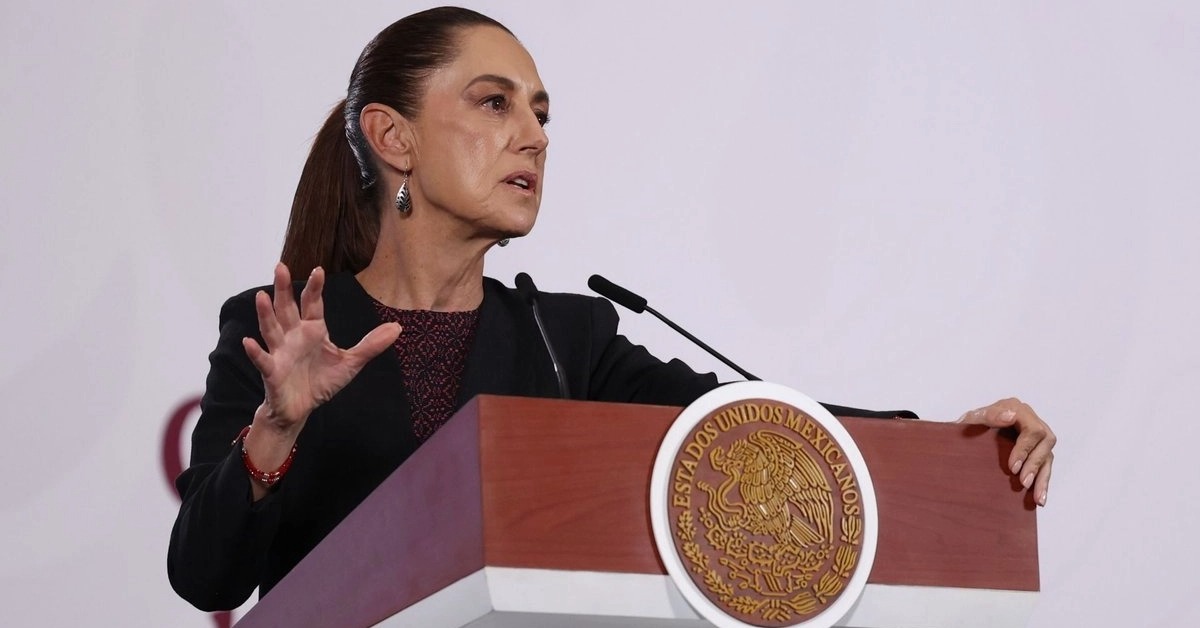
Mexico’s response to being left out of Donald Trump’s regional security summit was direct and carefully measured. Rather than dwell on the lack of an invitation, President Claudia Sheinbaum said the country already has working security ties with Washington through other channels. The remark did more than answer a diplomatic slight. It showed how her government wants to frame the relationship with the United States at a sensitive moment, with security cooperation still central but public messaging just as important.
Mexico says the summit was not the point
Mexico moved quickly to reduce the impact of being left out of Donald Trump’s “Shield of the Americas” summit. President Claudia Sheinbaum said the country did not need an invitation because there is already a good understanding with U.S. Northern Command and other existing channels of communication. That response matters because it shifts attention away from the summit’s protocol and back to the practical side of bilateral security work. Instead of treating the omission as a break in relations, the government presented it as something that did not change the working relationship in any meaningful way. That is a careful line to walk. Ignoring the summit entirely could have suggested distance or discomfort. Overreacting could have made the snub look larger than it was. By stressing direct coordination already in place, Sheinbaum’s message was that Mexico does not need every public forum to prove it remains part of the broader security conversation with Washington.
The government chose substance over optics
The wording also reveals how Mexico wants to handle a sensitive diplomatic moment. A public invitation to a regional summit carries symbolic weight, especially when security is involved. Still, symbols can cut both ways. By downplaying the lack of an invitation, Sheinbaum avoided turning the story into a public confrontation with Trump while still defending Mexico’s place in regional discussions. The government’s position was simple: what matters is whether communication works, not whether Mexico is seated at every headline-making event. That approach helps protect room for ongoing bilateral security cooperation without giving the summit more political importance than officials appear willing to grant it. It also fits a broader pattern in Mexico’s public messaging on ties with the United States. The emphasis is often on sovereignty, direct dialogue, and practical coordination rather than public displays of alignment. In that sense, the answer was not only about one summit. It was about who controls the narrative around Mexico’s relationship with Washington.
Why this matters for readers in Mexico
For people living in Mexico, the episode is less about a diplomatic ceremony and more about what it signals. Security cooperation between Mexico and the United States affects the tone of the bilateral relationship and can influence future decisions on cross-border policy, enforcement priorities, and regional strategy. That does not mean a summit snub will produce an immediate policy shift. It does mean public statements like this are worth watching because they show how both governments may approach each other in the months ahead. Sheinbaum’s answer tried to send two messages at once. One was directed outward, toward Washington, by saying communication remains active. The other was aimed inward, toward a domestic audience, by showing Mexico was not chasing validation from Trump’s summit. That balance matters politically. It allows the government to defend national autonomy while still saying the operational relationship continues. In practical terms, Mexico was telling the public that security ties do not depend on invitations, ceremonies, or political theater.
What to watch after the remark
The next question is whether Mexico’s framing holds up beyond the immediate news cycle. If there are follow-up meetings, new joint announcements, or visible signs of continued coordination, the government’s argument will look stronger. If public communication cools or tensions rise, the missed invitation could take on greater meaning later. For now, Sheinbaum appears to be trying to close the story before it grows into a larger diplomatic dispute. That is why the response was so restrained. It neither challenged Trump directly nor accepted the omission as a humiliation. Instead, it turned the focus back to working-level security ties and the claim that those ties remain functional. In politics, that kind of answer is rarely accidental. Mexico’s message was that it will judge the relationship by concrete contact, not by whether it receives a seat at every summit. Whether Washington treats the relationship the same way is what readers should watch next.