Mexico’s top security official says investigators already have four names on their radar as the CJNG looks ahead to life after “El Mencho.” Behind that headline is a larger question: whether a fast handoff keeps the cartel’s structure intact, or whether rival poles inside the group spark new instability. Harfuch offered only a few clues, including that two figures appear more likely, and that authorities are tracking regional command networks. What comes next will shape enforcement priorities and the risks communities feel first.
Harfuch points to four figures under scrutiny
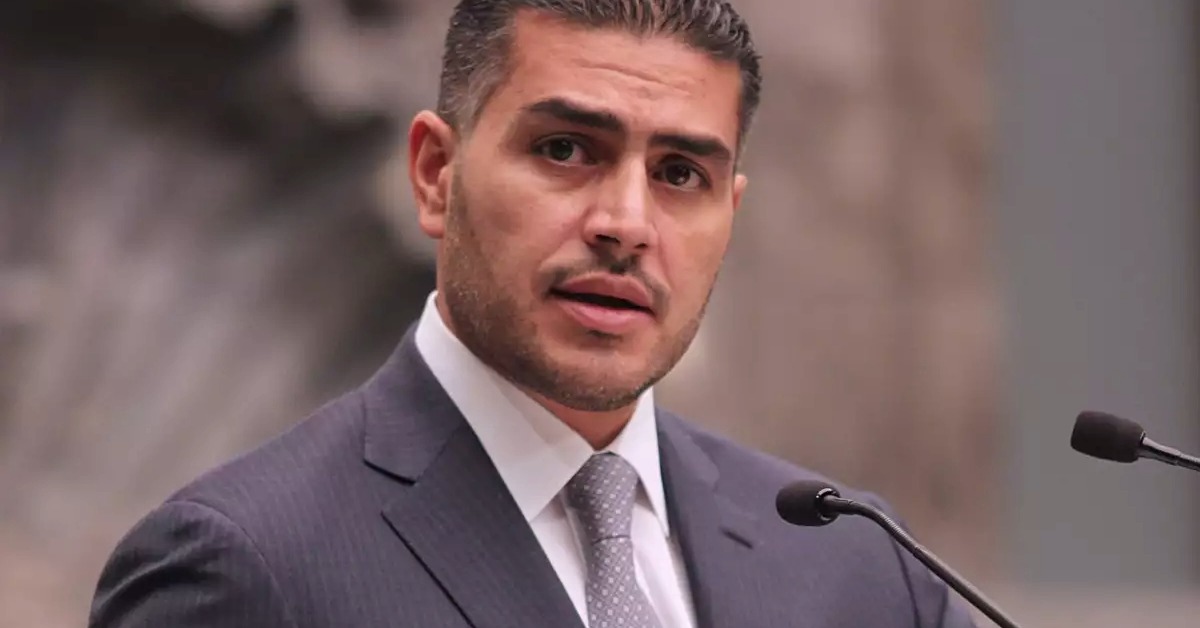
At Friday morning’s press conference, Omar García Harfuch spoke about the CJNG. He leads Mexico’s Secretariat of Security and Citizen Protection. He said authorities have identified four figures who could take over the group after “El Mencho.” He said all four are under investigation. He added that two appear more likely than the others. Harfuch did not name the suspects. He said the cases are still being built. No formal successor has been announced by the group. He also avoided any timeline for a leadership shift. He described the CJNG as a network with regional leadership in several states. That structure can keep activity running after a top loss. The day after the weekend operation, he acknowledged “some problems.” He said the main roadways later reopened and blockades were cleared. He said he did not yet know the outcome of the required autopsy. The remarks came alongside President Claudia Sheinbaum during a visit to Sinaloa.
A succession question with real security stakes
The update lands amid a fast-moving security story. Authorities say Nemesio Oseguera Cervantes, known as “El Mencho,” died during a federal operation in Jalisco on February 22, 2026. In the days that followed, officials documented road blockades, burned vehicles, and attacks in several states. That pattern matters because a leader’s removal can trigger short-term retaliation or internal settling. It can also change how local cells behave, especially in corridors tied to trafficking and extortion. Harfuch’s emphasis on “regional leadership” suggests the government expects continuity inside the cartel. At the same time, his mention of four possible successors suggests a watch list already narrowed. For residents and foreigners who live here, the practical question is not who holds a title. It is whether the next weeks bring localized flare-ups or a steadier decline in disruptive tactics like road closures. That is the bar by which many communities judge whether normal life is returning.
What authorities are watching next
Harfuch’s comments also underscore officials’ desire to manage the next phase. By keeping names off the record, the government avoids telegraphing what it knows. It also reduces the risk of boosting any contender’s profile. In public, the message is that the succession is being monitored rather than negotiated. He repeated that the most probable successors are already under investigation. He also said the CJNG has leaders in many states. Inside the same appearance, Harfuch was asked about divisions in the Sinaloa Cartel. He said its two main blocs are Los Chapitos and Los Mayos, with smaller offshoots. The exchange placed the CJNG question inside a wider map of organized crime. Mexico is dealing with parallel conflicts, not one vacuum. For investigators, that means watching for alliances, splinters, and opportunistic moves. For prosecutors, it means building cases that can stand in court. The next public signals are likely to come through arrests, asset seizures, and confirmed charges. Those steps tend to reveal more than headlines about a “next boss.”
What expats should pay attention to
For many expats, this story registers less as a cartel drama and more as a question of daily mobility. The most immediate impacts in recent days were transport disruptions, sudden closures, and uncertainty about where violence might flare. Officials now say the acute phase is easing, but the leadership question keeps attention on the weeks ahead. A stable transition could limit open confrontation. A contested transition can raise the odds of targeted clashes and quick, symbolic acts meant to show control. That does not mean every place becomes unsafe, or that patterns spread evenly. It does mean that the most useful signals are concrete ones. Watch for confirmed enforcement actions, official road updates, and local guidance from state authorities. Pay attention to whether incidents concentrate along specific highways or in specific municipalities. Also note whether public events, schools, or services announce temporary changes. Those practical indicators often arrive before any broader policy announcement. Harfuch’s claim of four identified contenders sets a frame. The next evidence will be what the government can prove, and what it can prevent.