Mexico’s latest disarmament tally looks straightforward at first glance. It is not. Officials said 9,201 weapons were turned in anonymously for cash, while thousands of toy guns were swapped for educational toys. But the breakdown behind that headline reveals a wider mix of guns, grenades, ammunition, and explosives, and it raises a broader question about how Mexico wants to talk about security. The program is being pitched as prevention, neighborhood outreach, and culture change, not only enforcement.
A bigger tally than the headline suggests
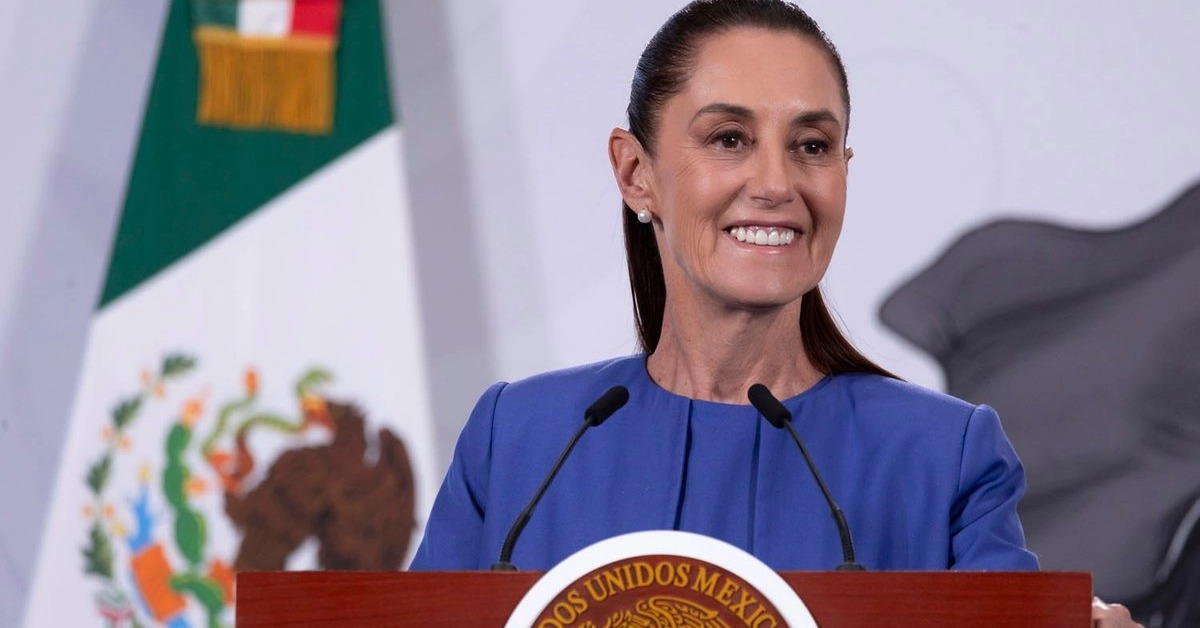
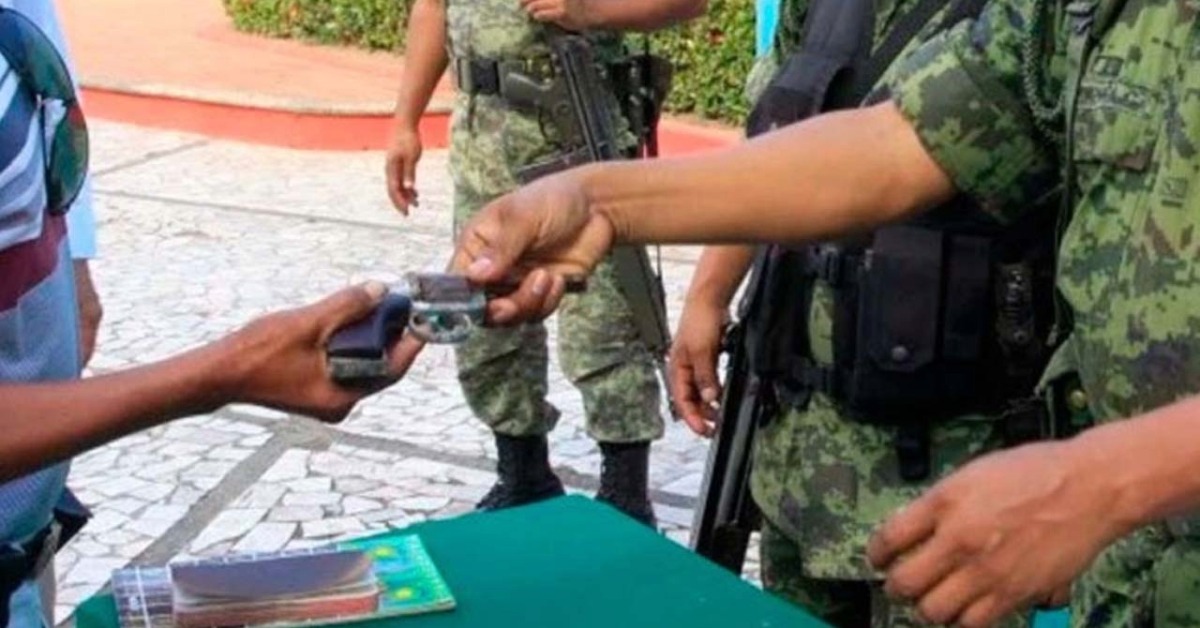
Mexico’s federal government said its disarmament campaign has brought in 9,201 weapons. The tally covered the period from October 1, 2024, through March 9, 2026. It also included 8,697 toy weapons exchanged for educational toys. The figures were presented by Interior Secretary Rosa Icela Rodríguez at a March 10 security briefing. The total drew attention because it offered a national prevention figure, not another arrest or seizure report. But the official breakdown shows that the headline number covered more than just guns. Authorities said the haul included 5,365 handguns, 2,678 long guns, and 1,158 grenades. That means 8,043 guns were counted in the total, alongside grenades and other explosive material. Officials also reported 11,914 magazines, more than 563,000 rounds of ammunition, and smaller quantities of dynamite cartridges, detonators, and primers. The toy exchange added a second message. It aimed to reduce the everyday normalization of weapons for children. In other words, the program was presented as both a public safety tool and a culture-of-peace campaign.
How the exchange works
Under rules published this year in the Official Gazette, adults can turn in weapons voluntarily and anonymously for cash. The rules say participants face no legal consequences for possessing the armament they surrender. Government staff determines the payout using an official payment table. Defense personnel inspect, secure, and usually destroy the weapon immediately. If a piece has historical or scientific value, it can be preserved instead. The broader campaign also includes toy-weapon exchanges for children and adolescents. Officials may place modules in public spaces and coordinate with churches, municipalities, or other institutions. The 2026 rules also say personal data collected in reports must be protected. That design matters because it lowers the barrier to participation. A person does not have to enter a police station or start a legal process. The government is trying to make disarmament feel accessible, local, and ordinary. That is a different message from the usual language of raids, arrests, and force.
Part of a broader security strategy
The current initiative was presented publicly on January 10, 2025, and the March total suggests it continued to expand through 2025 and into 2026. In late July, officials said the same initiative had collected 4,872 weapons across 29 states. By late August, the count had risen to 5,457 weapons and 634 grenades. The new figure shows continued growth after those midyear reports. Officials frame the program as part of attention to the causes, a prevention-focused security strategy. In the same March 10 presentation, they linked the disarmament data to house visits, youth outreach, and peace fairs. That matters because the campaign is not being sold as a stand-alone solution. It is being presented as part of a broader effort to reduce violence. For readers tracking Mexico from abroad, the report offers a clearer view of that approach. It shows that part of the security debate is happening at community tables, not only in crime scenes and court files. That is why the numbers traveled.