Mexico’s latest inflation reading crossed a line that matters. Annual inflation reached 4.02% in February, above the central bank’s 3% target. But the number of households that feel at the market or taco shop is not always the one policymakers fear most. Produce prices jumped, restaurant costs kept rising, and core inflation stayed firmer than the headline suggests. That leaves Banxico facing a familiar question before its next meeting: was February a brief food shock, or a sign that underlying price pressure is still holding up?
The headline moved on two tracks
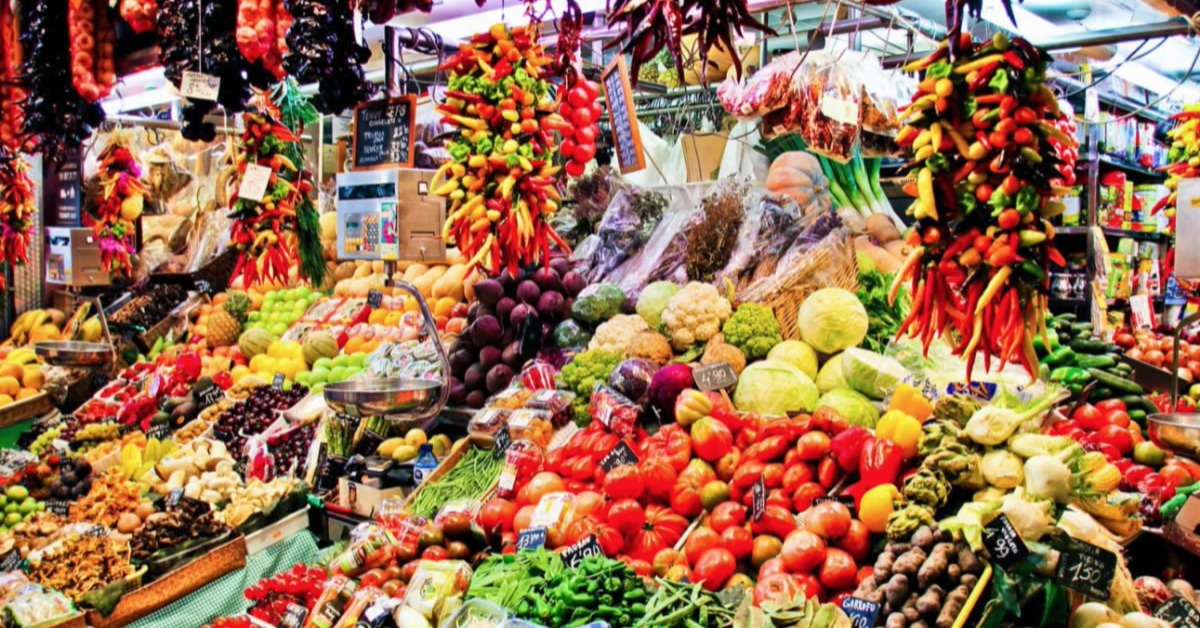
Mexico’s headline inflation rate moved back above 4% in February, and above Banxico’s 3% target. Mexico’s consumer price index, or INPC, rose 0.50% from January and 4.02% from a year earlier. That was up from 3.79% in January. The move was not broad and even. It came from a mix of volatile food items and steady service costs. The non-core index rose 0.64% in the month, helped by a 4.94% jump in fruits and vegetables. Jitomate, potatoes and other tubers, tomato verde, lemons, and bananas were among the biggest upward movers. At the same time, core inflation still rose 0.46% in the month. That matters because core prices tend to move more slowly and persist longer. Eating out also added pressure. Prices at small eateries, including loncherías, fondas, torterías, and taquerías, rose again, as did those at restaurants. Declines in LP gas, eggs, and chicken kept the overall figure from climbing higher, but not enough to reverse the jump.
What households will notice first
For households, the monthly average only tells part of the story. A family that buys produce every week will notice February differently from one that mostly worries about fuel. That is why inflation, as measured by the perceived inflation rate, can diverge from the official average. The clearest pressure points in the February tables were everyday categories. Food and non-alcoholic beverages were up 5.16% from a year earlier. Restaurants and accommodation services rose 7.22%. Health increased 5.21%, and education services rose 6.03%. By contrast, housing, water, electricity, gas, and other fuels rose a milder 2.82%. The minimum consumption basket increased 0.52% in the month and 3.84% over the year, a little below headline inflation. Even so, that basket can understate the pressure people feel when fresh food jumps in a single shopping trip or when meals away from home keep edging up. For many expat households, the sharper changes will show up first in groceries, school fees, and casual dining, not in an abstract national average.
What Banxico is really watching
This is where the split between headline inflation and core inflation becomes more useful. Headline inflation captures everything. Core strips out the most volatile items and administered prices, which makes it a better guide to underlying pressure. In February, the annual core rate was 4.50%. The annual non-core rate was 2.44%. That gap says more than the 4.02% headline alone. A produce shock can reverse quickly. A service price increase usually does not. Within core, services were up 4.45% from a year earlier. Other services were up 5.20%. Processed food, beverages, and tobacco were up 6.20%. Economists often describe that as sticky inflation. Banxico’s February policy statement reflected the same concern. The bank revised its inflation forecasts higher and now expects headline inflation to return to 3% only in the second quarter of 2027. That is why the short-term jump matters, but the slower-moving core trend remains the more persistent issue.
What happens next
That leaves Banxico weighing two risks before its next rate decision. On February 5, the central bank paused its rate-cutting cycle and kept the overnight interbank rate at 7.00%. It said it would keep evaluating further adjustments. No board member opposed the pause itself. But the minutes showed disagreement over how clearly the bank should signal future cuts. One member argued that it was too early to imply further easing while inflation risks still pointed upward and the full effect of fiscal changes remained uncertain. The next scheduled decision is March 26. If incoming data show that February’s produce surge fades and core inflation starts to cool, the case for resuming cuts gets stronger. If services stay firm and headline inflation holds above 4%, waiting longer becomes easier to defend. That is the durable way to read the February report. Households are reacting to the prices that changed first. Policymakers are watching the prices that may change last.