Mexico’s inflation rate moved higher again in early February. It landed just below the 4% ceiling of the central bank’s target range. The headline number looks contained, but the details are less simple. Fresh food prices increased over the fortnight. Several everyday services also kept rising. That split matters as Banxico weighs when to restart rate cuts after its February pause. The latest INPC release also signals where expats may feel shifts first, from markets to medical bills.
Early February inflation moves higher
Mexico’s headline inflation accelerated in the first half of February 2026, based on the latest INPC update from INEGI. Consumer prices rose 3.92% year over year, up from 3.77% in the first half of January. On a biweekly basis, prices increased 0.25%, taking the index to 144.064. The result keeps inflation inside Banco de México’s target range of 3% ±1 percentage point. It also leaves the annual rate near the top of that band. The reading is the highest since late November 2025. The latest move extends a short run of acceleration. Under the hood, core inflation stayed higher than the headline rate. It ran at 4.52% year over year, while non-core inflation was 1.92%. That mix matters for policy expectations. It follows the central bank’s decision to pause its easing cycle in early February. Officials have said they want more evidence on how price pressures are evolving.
Food and services drive the fortnight
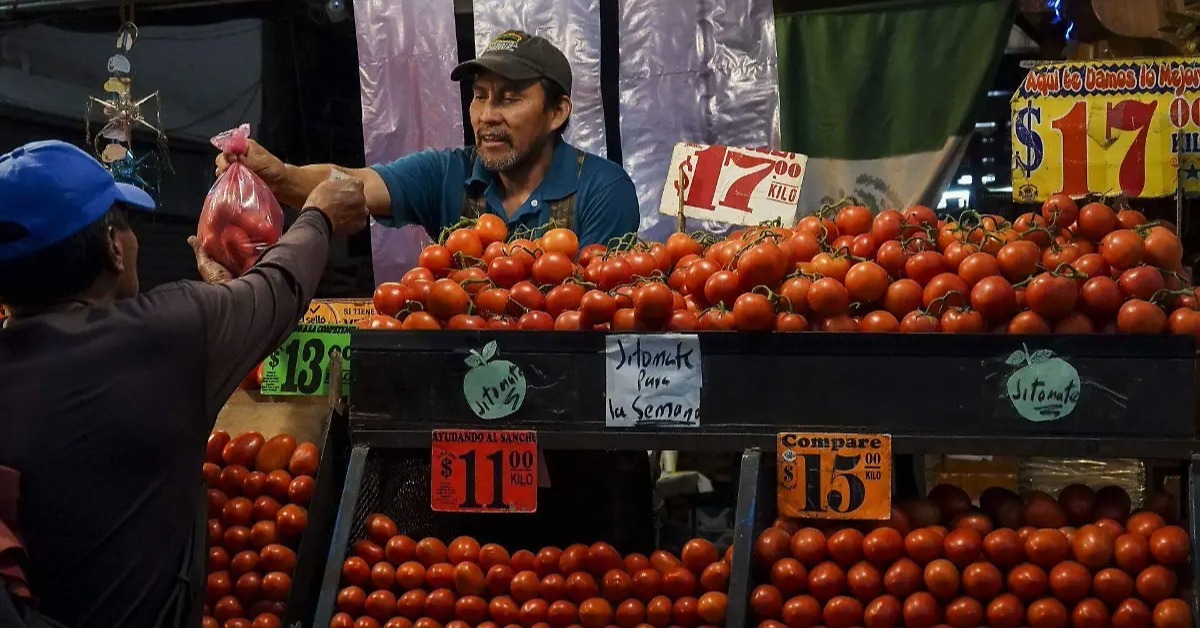
Short-term price moves were led by items that often swing between fortnights. The non-core index rose 0.32% over the period. Inside it, fruits and vegetables increased 2.10% in two weeks. Energy and government-set tariffs were almost flat, down 0.01%. The core index increased 0.22% over the fortnight. Goods prices rose 0.20%, and services climbed 0.24%. Several food items had the largest impact on the overall index. Tomato verde rose 17.84%, while limes increased 17.03%. Potatoes and other tubers were up 13.16%, and tomatoes rose 7.90%. Some services also added pressure. Owner-occupied housing costs increased 0.13%. Prices rose for prepared foods and for small restaurants and taco stands. University fees and surgical procedures also rose. Offsetting moves came from other staples. Zucchini fell 8.93%, and onions declined 4.59%. LP gas edged down 0.54%, and deodorants fell 2.46%.
What it means for Banxico’s next move
For Banco de México, the composition of inflation can matter as much as the headline number. The central bank focuses on core inflation as a guide to trend pressures. Core strips out the most volatile items, such as energy and some fresh food. Core at 4.52% keeps that gauge above the target band. On February 5, Banxico left its policy rate at 7.00%. It paused after a long series of cuts. The statement pointed to the need to assess recent fiscal adjustments and their pass-through to prices. Banxico has also said it will weigh the exchange rate and domestic activity. It noted that short-term inflation expectations for late 2026 had moved higher. Banxico’s updated forecast path now places a return to 3% in the second quarter of 2027. The next scheduled rate decision is March 26, 2026. Policy decisions are scheduled for eight dates in 2026. Market surveys show economists split on whether cuts resume in March or later. Many projections still imply additional easing in 2026, but at a slower pace than in 2025.
How expats may feel the shifts
For many expats, weekly purchases can be more visible than the national index. Early February’s data points to pressure in fresh produce and in services tied to daily routines. Food at home and eating out both contributed to the fortnightly rise. Health-related items also moved higher. The minimum consumption basket index rose 0.29% over the fortnight and 3.71% from a year earlier. By spending category, food and non-alcoholic beverages rose 0.44% in two weeks and 4.63% annually. Health rose 0.68% in the fortnight and 5.19% annually. Alcohol, tobacco, and related items fell in the fortnight, but still ran 8.32% year over year. Housing and utilities were steadier, with a 2.84% annual rate. For households with income in another currency, inflation is still paid in pesos. Exchange-rate moves can change how those peso prices feel month to month. The next inflation update will arrive before the late-March rate decision.
With information from INEGI — Índice Nacional de Precios al Consumidor, Banco de México