
Mexico, Brazil, and Colombia issued a joint call for an immediate ceasefire in the Middle East, but the statement is about more than diplomacy. It signals how Mexico wants to position itself in a widening conflict that is already affecting oil prices, travel, and consular protection. For readers in Mexico, the question is not only what the three governments said, but why this moment pushed Mexico to speak more clearly and in concert with regional partners.
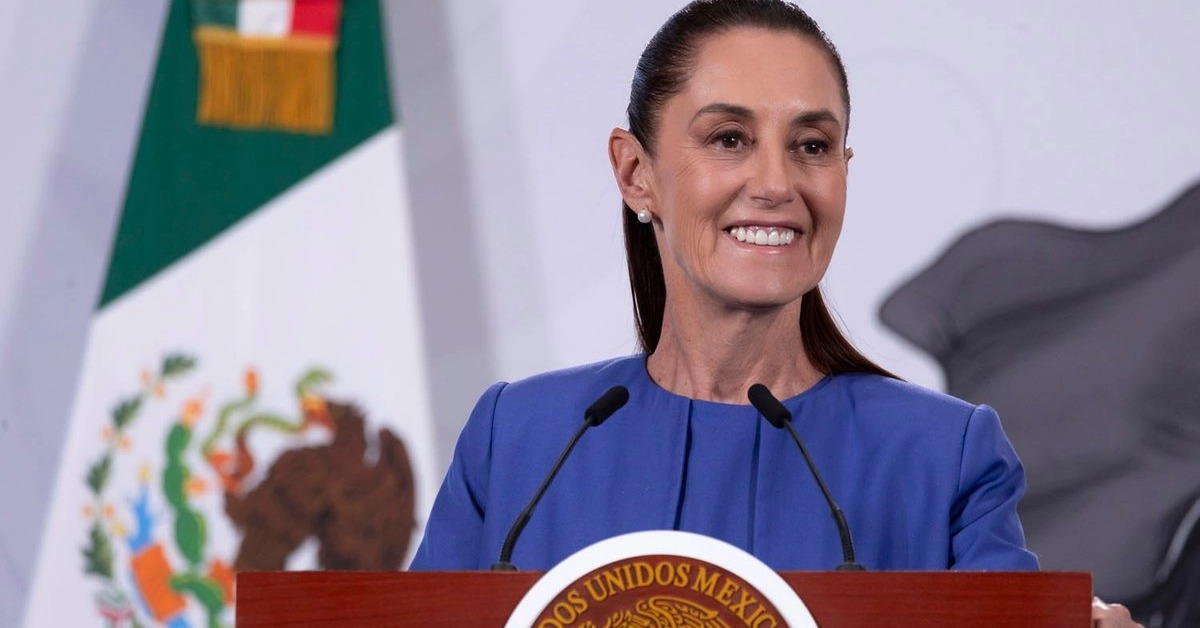
Mexico joined Brazil and Colombia on Friday in calling for an immediate ceasefire in the Middle East. The move gives Mexico a more visible role in a fast-moving crisis. That crisis is already affecting energy markets and consular operations. President Claudia Sheinbaum presented the joint statement during her morning press conference. She said the push began with an initiative from Colombian President Gustavo Petro.
The joint message was direct but measured. The three governments said differences between states must be resolved through international diplomacy and the peaceful settlement of disputes. They also said a ceasefire is needed now. Their goal is to create real space for dialogue and negotiation. The statement went one step further. It offered support for peace efforts that can build trust and move the conflict toward a political solution.
A regional statement with wider implications
For international readers, the significance extends beyond the wording. It is also in who signed it. Mexico, Brazil, and Colombia are three major countries in Latin America. Their joint call places the region more clearly inside the diplomatic conversation around the war. It also shows Mexico moving beyond a general appeal for peace. This time, it acted in coordination with two regional partners.
That matters because the conflict has already moved beyond a distant foreign policy issue. The current phase of the war began on February 28. That was when the United States and Israel launched strikes on Iran. Iran then responded with attacks of its own. The confrontation widened, and markets moved higher. By Friday, oil prices were again hovering around $100 a barrel. Mexican officials were warning that the economic effects were no longer limited to the battlefield.
Why this fits Mexico’s foreign policy
Mexico’s position is not new, even if the joint format gives it more force. The Constitution states that foreign policy should adhere to principles such as non-intervention, the peaceful settlement of disputes, opposition to the use of force, respect for human rights, and the pursuit of international peace and security. In practice, that usually means Mexico avoids military alignments. It prefers diplomatic and multilateral channels.
That helps explain Sheinbaum’s framing. She presented the statement as both a constitutional position and a regional one. She said Latin America is a region of peace. She argued that countries from the region should speak up when a war threatens wider instability. In recent days, she has also criticized the weakness of multilateral institutions. She has argued that civilians pay the price when diplomacy gives way to force.
Why readers in Mexico should care
For many readers in Mexico, a declaration about the Middle East can seem distant at first glance. It is not. The federal government has already shifted into a more active consular protection mode. The Foreign Ministry has urged Mexicans to avoid travel to the region. It moved embassy operations in Iran to remote work from Azerbaijan. It also reported that more than 1,100 Mexican nationals had been evacuated from the broader conflict zone by Thursday night.
The economic angle matters too. Mexico produces oil, but it is still exposed to swings in global energy prices. It is also exposed to higher shipping costs, aviation disruptions, and fuel-related inflation. That is part of the reason Sheinbaum linked the ceasefire call to everyday consequences. Her point was simple. When conflict hits a strategic corridor like the Strait of Hormuz, the costs spread far beyond the countries directly involved.
What this call can and cannot do
The joint declaration does not create a mediation table. It does not offer a detailed peace plan either. Its value is political and diplomatic. It adds pressure for a ceasefire. It reinforces a rules-based argument against escalation. It also signals that Latin American governments do not want to remain silent while the conflict widens. The statement leaves the door open for future diplomatic efforts if larger powers or multilateral bodies move toward talks.
Whether that changes events on the ground is another question. Mexico, Brazil, and Colombia cannot force the parties to stop fighting. Still, the statement marks a clear step in Mexico’s response. It shows the government trying to match constitutional principles with public action. The timing matters. The war is already affecting oil markets, air routes, and Mexican citizens abroad. For a country that often prefers careful wording, this was a clearer public move.