Mexico’s measles response has shifted into high gear. Health officials say the country has delivered more than 21.6 million doses in about a year, with millions given in just weeks. The surge is meant to close immunity gaps that allow the outbreak to spread beyond its initial focus. For residents unsure of their vaccination status, the key questions are practical: Do you have documented doses, and do you know where to get one quickly? The latest figures also raise a quieter question about the data: how many doses translate into protected people?
Vaccination pace jumps in recent weeks
Mexico’s Health Ministry says the measles vaccination campaign is moving far faster than in typical years. Officials reported that about 21.6 million doses have been administered since the first confirmed case was detected in Chihuahua in February 2025. They said 8.4 million doses were given in the last three weeks alone. That volume matches what is often used across two non-outbreak years. The ministry described a roughly 15-fold increase. The first two weeks of 2026 saw about 270,000 doses. One mid-February week reached 3.4 million doses. Officials said another one million people were vaccinated since the prior Friday. The push relies on routine clinics and outreach modules set up outside health units. Authorities say more than 20,000 vaccination points are available nationwide. Because the program uses measles-containing vaccines for different ages, the headline figure reflects doses, not unique people. In recent tallies, the State of Mexico and Jalisco each reported around a million doses. Veracruz, Nuevo León, and Mexico City each reported totals above 600,000 doses.
Who is being targeted for shots
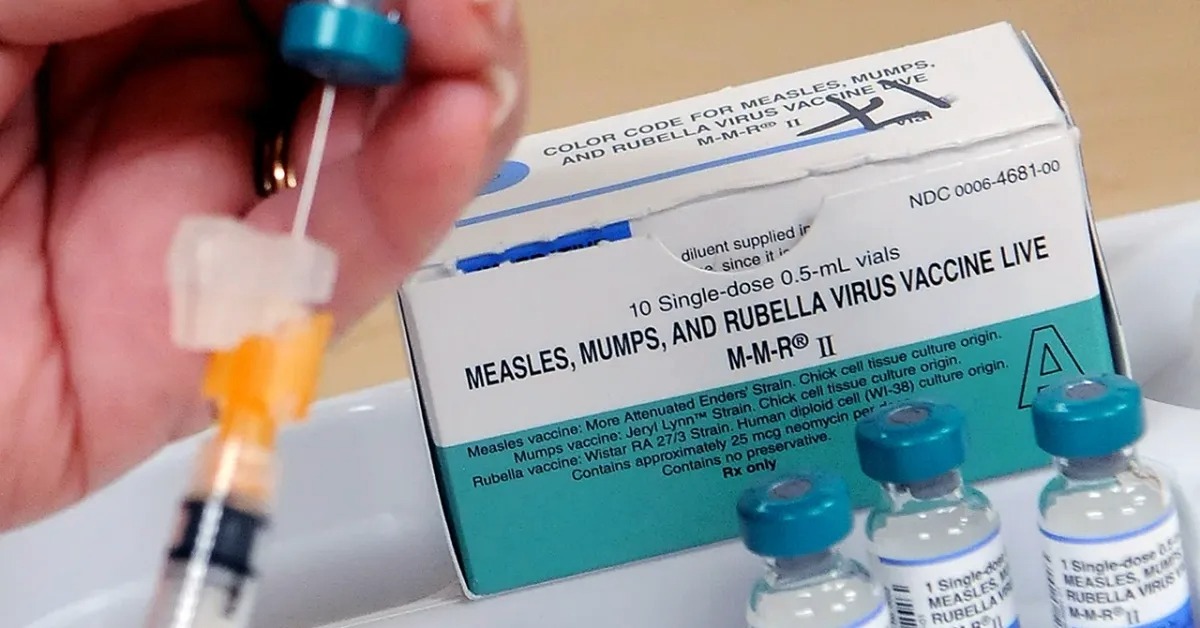
The campaign targets two overlapping groups: children and working-age adults. Health officials urge vaccination for children from 6 months to 12 years old. Infants may receive an early dose in higher-risk areas. Officials also ask people aged 13 to 49 to get vaccinated. They have flagged several states with active transmission this year. For many adults, the issue is documentation. If you can show two doses of measles-containing vaccine, you may already be protected. Clinic staff can confirm whether another dose is recommended. If you moved to Mexico with a US or Canadian immunization record, bring it. Also, bring a photo ID, since requirements vary by site. Vaccination is offered through public clinics and temporary modules in community spaces and transit areas. Health teams have extended hours at some locations to handle demand. Mexico commonly uses SRP for children and SR for older age groups, depending on supply. A federal online locator lists nearby vaccination sites and the age groups they serve. Immunity builds over time; antibodies typically develop within two to three weeks.
Case counts dip, but spread remains wide
Officials say the vaccination surge is starting to affect weekly case totals, but transmission continues. The Health Ministry reported about 1,000 confirmed cases in the latest week. That is below the roughly 1,200 seen in recent weekly updates. Surveillance totals released in early March put the confirmed case total since February 2025 at just under 12,000. Suspected cases under review remain far higher. Reports also show spread across all 32 states. More than 400 municipalities have reported cases. That footprint helps explain the shift from local actions to nationwide coverage. Measles spreads through the air and can quickly infect people in close settings. People can transmit it before the rash appears. Symptoms often start with fever, cough, runny nose, and red eyes. A rash typically follows days later. Health authorities have linked 32 deaths to the outbreak, most in children under five. The core prevention goal is high two-dose coverage across all age groups.
With information from Secretaría de Salud, IMSS, OPS/PAHO