A trade calendar is set, a security tour lands in Jalisco, and a new oil slick raises fresh questions on the Gulf coast. Meanwhile, Mexico City is bracing for Sunday’s 8M march, and an electoral reform push is shaping the political week. Behind the headlines are practical impacts: where traffic will slow, which coastal areas are seeing cleanup crews, and how the next phase of USMCA talks could affect cross-border supply chains. This briefing pulls the key facts, timelines, and signals to watch today.
Morning briefing
Mexico starts March 6 with three threads: trade rules, public security, and street-level disruption. On trade, Mexico and the United States have set a first meeting for USMCA-related talks. The aim is to map issues ahead of the joint review later this year. In the west, President Claudia Sheinbaum has taken the daily security briefing to Jalisco. Federal and state officials are leaning on fresh crime metrics after weeks of cartel-related violence. Jalisco messaging is also framed by the upcoming 2026 FIFA World Cup milestones. In Mexico City, focus is shifting to Sunday’s 8M march and likely traffic constraints. On the Gulf coast, towns in southern Veracruz are scraping tar off beaches. The oil slick is already fouling fishing nets and deterring visitors in some areas. For expatriates living in Mexico, the practical question is what changes today, not next month. Watch supply-chain signals, plan around closures, and follow local safety updates. This briefing separates confirmed facts from open questions and flags what to watch next.
Trade and economy
The next milestone for USMCA politics is the week of March 16. Marcelo Ebrard and Jamieson Greer have agreed to launch a first round of discussions in Washington. The Office of the United States Trade Representative says the initial work is a scoping exercise. Officials have flagged three themes: rules of origin, supply-chain security, and lower reliance on imports from outside North America. Mexico’s Secretaría de Economía has described the sessions as formal talks tied to the treaty’s review mechanism. A key detail is sequencing. Mexico and the United States plan to start bilaterally, with Canada expected to join later. Mexico’s export model depends on integrated production lines across the border. That makes origin rules and input sourcing a day-to-day business issue. The timetable matters because the agreement’s sixth-year review is due in 2026. For residents and businesses, the signal is that trade friction is being pushed into the process. That can calm supply-chain planning, even as other trade frictions continue.
Mexico’s domestic economic message is also running through credit and infrastructure. In remarks to Banamex advisers, Édgar Amador Zamora focused on SME finance. He said much lending still comes through non‑bank commercial credit. He argued that Mexico needs stronger bank participation and more competitive terms. He singled out access gaps for SMEs, women, and young borrowers. He also linked household savings to the government’s investment agenda. He said Afore resources could help fund a National Infrastructure Plan. The plan is presented as amounting to about 5 trillion pesos across more than 1,500 projects. He described Afore assets as about 24% of GDP, rising toward 30% by 2030. He said the goal is to catalyze private investment while protecting fiscal sustainability. On growth, he pointed to a 2025 expansion of about 0.6% and said a more favorable 2026 is expected. Watch for new lending programs and how banks price risk in the coming quarters. For expats, the takeaway is indirect but real. Credit conditions shape hiring, supplier terms, and the pace of local construction.
Security and governance
The day’s security narrative was set in Zapopan, where the president held her morning briefing with state authorities. Omar García Harfuch said federal investigations have mapped operating zones and logistics sites for criminal groups in the region. Officials presented the message through numbers. They said that from September 2024 to January 2026, Jalisco’s average daily victims of intentional homicide fell by 47%. They also said January 2026 was the lowest January level since 2015. A separate measure of high‑impact crimes was reported down 25% compared with September 2024. The visit also tied security to social policy. Rosa Icela Rodríguez highlighted local “peace” activities and agreements across the state. A disarmament program was described as having exchanged 82 firearms for cash since October 2024. For residents, the main point is signaling. The government is trying to show stabilization in a World Cup host region through repeatable metrics and visible coordination. The same framing is meant to reassure visitors and investors.
Beyond the Jalisco statistics, the broader security debate still turns on the February operation against the Jalisco New Generation Cartel. A new Enkoll poll found 81% approval for the armed forces’ handling of the operation that killed Nemesio Oseguera Cervantes. The same survey reported that many people said their view of the president improved after that outcome. At the same time, insecurity remains the top stated concern in the polling. Most respondents said they worry about their own safety or a family member’s. The foreign-policy angle is also clear. Majorities rejected the idea of US security forces carrying out operations inside Mexico. Many still backed intelligence and training cooperation. For expats, this matters because it shapes how Mexico frames joint action with Washington. It also shapes the operating assumptions for travel, event security, and policing in daily life. The key point is not a single raid. The question is whether the government can sustain lower levels of violence without triggering destabilizing retaliation.
Politics is also being shaped by the president’s bid to rewrite electoral rules. A new poll by Enkoll shows support above 80% for core elements of the proposed electoral reform. Those include electing all senators and deputies directly, cutting public funding for parties and electoral bodies, and tightening oversight of campaign money. The same survey shows strong backing for limits on bots and the use of AI in campaigns. It also records the majority support for making overseas voting easier. Two ideas are more contested. Support is lower for electronic voting in popular consultations and for eliminating the rapid preliminary results system known as PREP. The debate puts the Instituto Nacional Electoral at the center of the next legislative cycle. It also lands as the ruling Morena posts high support for the president but softer numbers for the party itself. For expats, the near‑term impact is limited. The medium‑term impact is governance risk, because election rules shape markets, protests, and policy continuity.
Daily life and disruptions
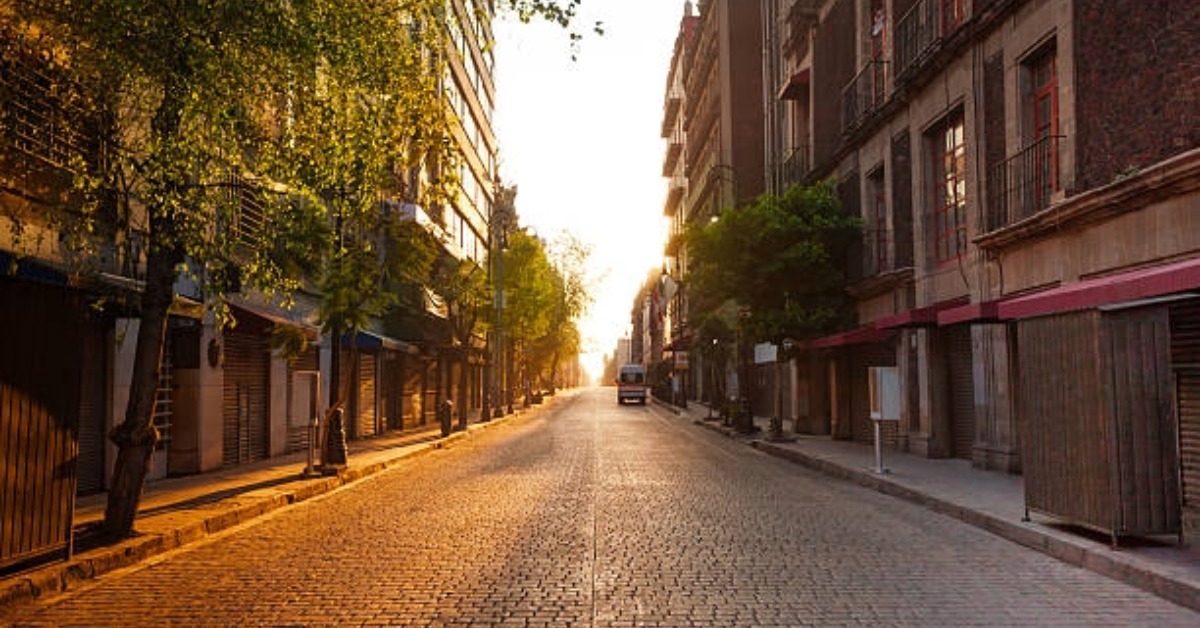
In Mexico City, the weekend calendar is beginning to drive weekday planning. Sunday, March 8, is International Women’s Day, and the 8M march is expected to draw a large turnout. Organizers have published common meeting points along Paseo de la Reforma, and the main column is expected to move toward the Zócalo. A general call time of 9:00 a.m. has been circulated. The march itself often starts around 10:30 a.m. In the State of Mexico, parallel marches are planned in Ecatepec, Toluca, Nezahualcóyotl, and Cuautitlán Izcalli. Start times vary by city. Officials are also discussing protective barriers around key government buildings ahead of the day. For residents, the practical stakes are simple. If you cross Reforma or the Historic Center on Sunday, expect road closures. Ride‑hail service may slow, and police presence may increase. If you are attending, plan hydration, ID, and a charged phone. If you are not, plan routes early and keep alternatives ready.
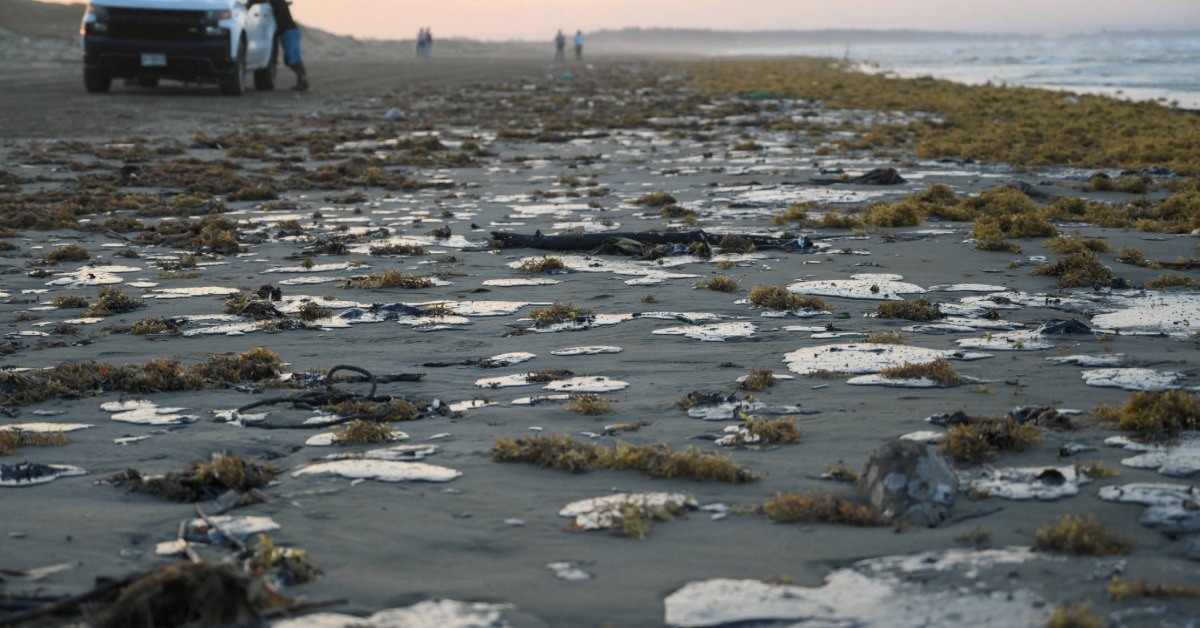
On the Gulf coast, the main environmental story is oil on beaches in southern Veracruz. In fishing towns such as Jicacal and Las Barrillas, residents report tar on sand and oil in nets. Local crews have been scraping hardened material off the shoreline as the slick spreads. Authorities have not publicly identified a source. Petróleos Mexicanos has said it has not detected a leak from its facilities and has denied responsibility. It also said it would carry out surveillance in the area. An environmental group, CEMDA, says it has tracked more than a dozen sites since March 1. Reports stretch across Veracruz and neighboring Tabasco. The incident is already hitting weekend tourism and threatens the lagoons used for shrimp and fish farming. For expats, the immediate relevance is local. If you have travel planned to the southern Gulf coast, expect cleanup activity. Beach access could be uneven, and guidance could change quickly.