Mexico started 2026 with more than 2.17 million visits to its museums and archaeological sites, according to federal tourism data. The headline number points to another strong year for cultural travel, but the details show a split story. Museums posted faster growth than archaeological zones, and a handful of flagship sites still carried much of the traffic. For readers living in Mexico, the figures offer a useful snapshot of where domestic and foreign visitors are going in 2026.
A strong start for cultural tourism
Mexico opened 2026 with a strong month for cultural tourism. Tourism Secretary Josefina Rodríguez Zamora said museums and archaeological sites drew 2,175,711 visitors in January. The figure matters because it shows solid demand for heritage travel at the start of the year. It also extends a wider trend. Official data released in January showed Mexico’s museums and archaeological sites drew 21.4 million visitors in 2025. That was 9.1 percent higher than in 2024. The new January report suggests that momentum has carried into the new year. It also shows where the growth is coming from. Museums logged about 1.2 million visits, a 21.2 percent increase from January 2025. Archaeological sites received 975,711 visitors, just 1,327 more than a year earlier. That gap suggests city museums, capital-region attractions, and short cultural outings are expanding faster than the ruins segment. For readers in Mexico, the new data offers a clear snapshot of heritage travel in early 2026.
Where the visitors went
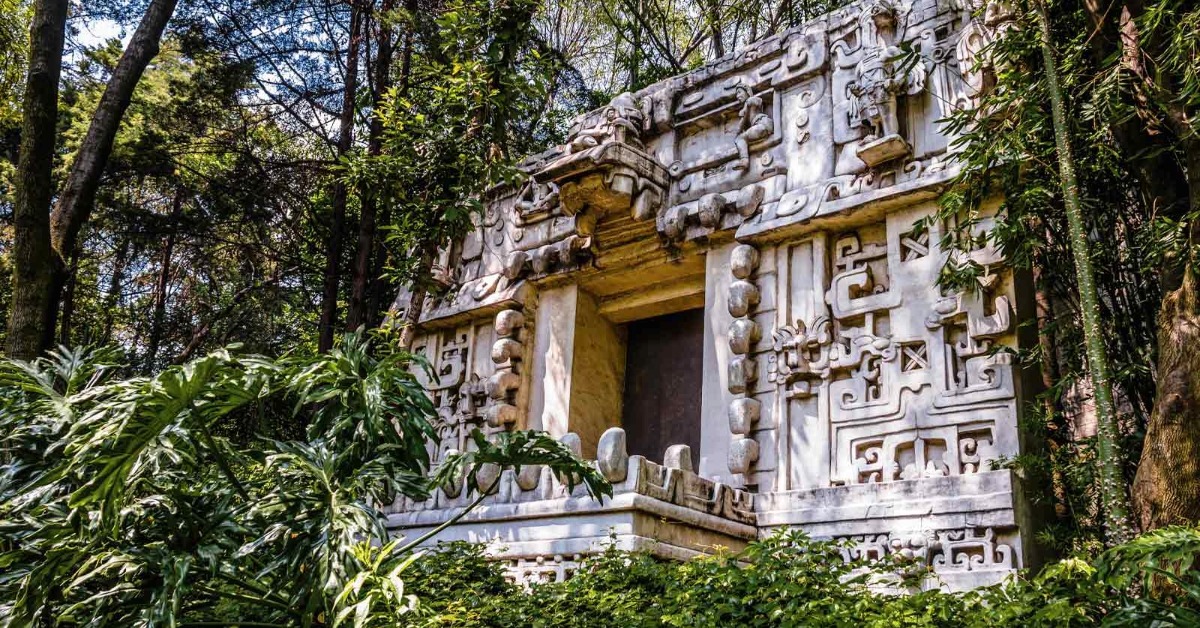
The mix of visitors also differed between the two categories. Museums were mostly used by domestic travelers. Eighty-eight percent of museum visits came from nationals, while 12 percent came from foreigners. Archaeological sites had a more balanced profile. There, 58 percent of visits were domestic and 42 percent were international. A small group of flagship venues continued to carry much of the traffic. The leading museum group included the National Museum of Anthropology, Chapultepec Castle, and the Templo Mayor Museum. Together, they drew 889,009 visits in January. On the archaeological side, Chichén Itzá, Teotihuacán, and Tulum combined for 492,939 visitors. That represented 51 percent of all archaeological-site attendance nationwide. The concentration is important because it shows how much national performance still depends on a handful of sites with the strongest name recognition, access, and tourism infrastructure. It also keeps attention centered on a few headline destinations. That matters for smaller regional museums and sites trying to capture more traffic.
Why the figures matter in 2026
For expats and other foreign residents, the January figures carry a practical angle as well. The sites drawing the biggest crowds are also the easiest gateways into Mexico’s cultural network. They shape first impressions for newcomers and repeat visitors alike. They also remain some of the most accessible heritage spaces for weekend travel. INAH continues to offer free Sunday admission at many federally managed sites. The benefit applies to Mexican nationals and foreign residents who can show proof of residency. That policy matters to readers who live in Mexico and want regular access without building trips around peak holiday periods. The January report does not define the whole year. Still, it shows Mexico entered 2026 with steady demand for heritage tourism. It also shows strong museum momentum and continued interest from both domestic and foreign visitors. In a tourism landscape led by beaches and major events, cultural sites still pull large national audiences on their own.
With information from Secretaría de Turismo del Gobierno de México, Milenio, INAH