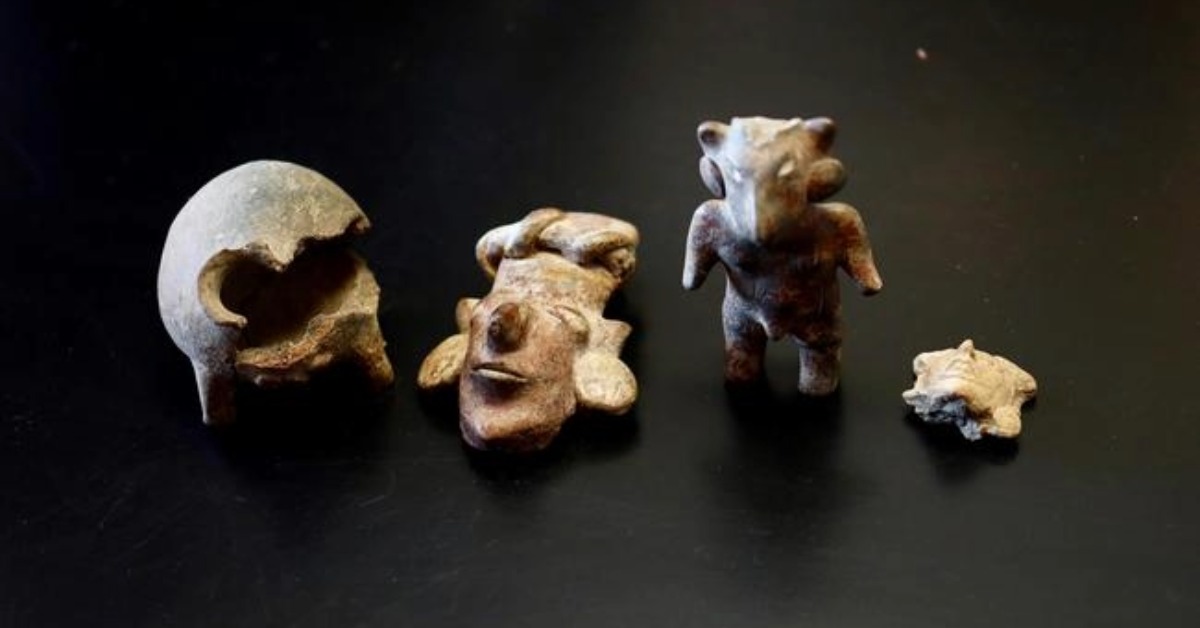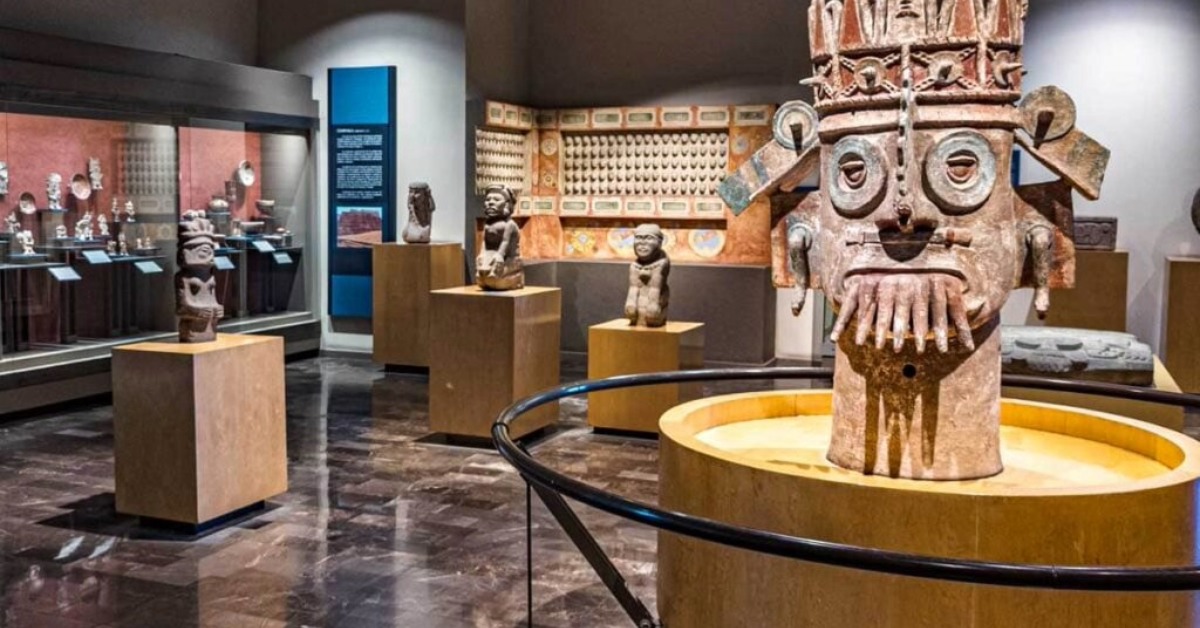
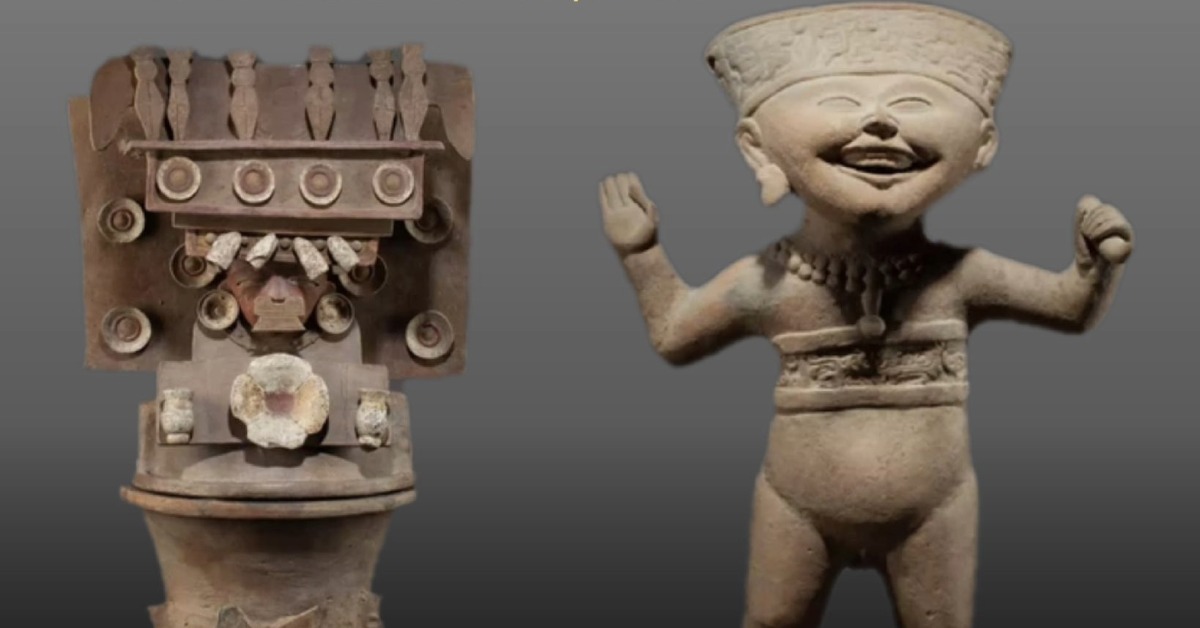
Mexico is asking French authorities to halt a Paris auction after experts flagged 40 pre-Hispanic objects as Mexican national patrimony. Officials say the pieces fall under Mexico’s strict heritage law, making them inalienable and illegal to export. The sale, billed as “Les Empires de Lumière,” is scheduled for February 27. The auction house has not publicly addressed the request. Whether the sale pauses or proceeds will shape Mexico’s next steps. It also tests how cross-border rules work when claims arrive late.
A Paris auction draws Mexico’s challenge
Mexico’s government has asked France to suspend a Paris auction. Officials say it includes 40 archaeological pieces that belong to the nation. The request targets a live sale titled Les Empires de Lumière. It is set for February 27, 2026, at Maison Millon in Paris. The auction house describes the event as a 158-lot sale of pre-Columbian art. Mexican officials say INAH specialists reviewed the catalogue. They say 40 lots qualify as protected archaeological or historic property. The Culture Ministry says it started legal procedures. It is also using diplomatic channels to seek a return.
Why Mexico says the pieces cannot be sold
Mexico points to the Federal Law on Archaeological, Artistic, and Historic Monuments and Zones. It says archaeological monuments are the property of the Nation. It also says these items are inalienable and imprescriptible. That status blocks private trade under Mexican law. Officials say export of such material has been banned since 1827. They argue that overseas listings signal illicit removal. In its message to the auction house, Mexico asked the lots be withdrawn. It also requested steps toward repatriation.
The gap between law and enforcement abroad
Stopping an auction abroad often depends on evidence. Authorities look for proof of when an item left Mexico. Mexico and France are parties to the 1970 UNESCO Convention on illicit trafficking. The treaty calls for cooperation and restitution. Even so, French law governs the sale itself. Auction houses may rely on documents describing long-term private ownership. Mexico has filed similar objections before. It raised a comparable claim involving the same auction house in 2023. Results have ranged from sales proceeding to voluntary returns.
What happens next for the auction and for buyers
If the sale is paused, French authorities may review the file. The auction house may also run its own checks. If it proceeds, Mexico can still pursue claims lot by lot. Requests can target specific provenance records. For residents and visitors in Mexico, the dispute highlights a practical risk. Antiquities can carry legal uncertainty for buyers. Ownership can be challenged years later. Objects can be seized or returned through court action. This case will test whether pressure can shift outcomes before the hammer falls.