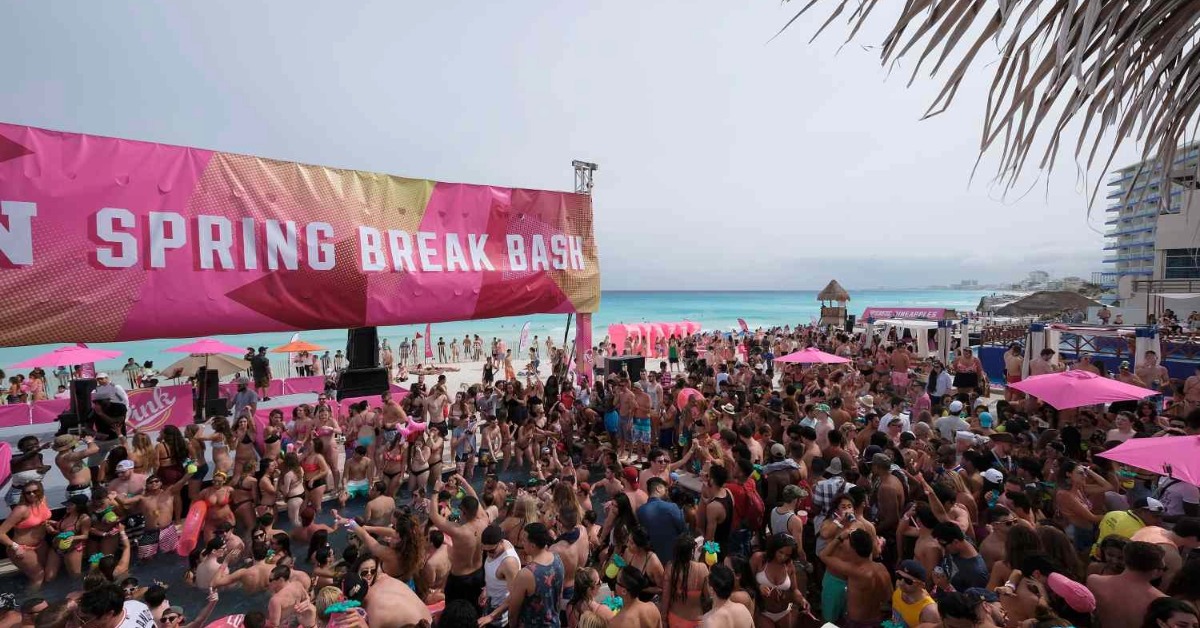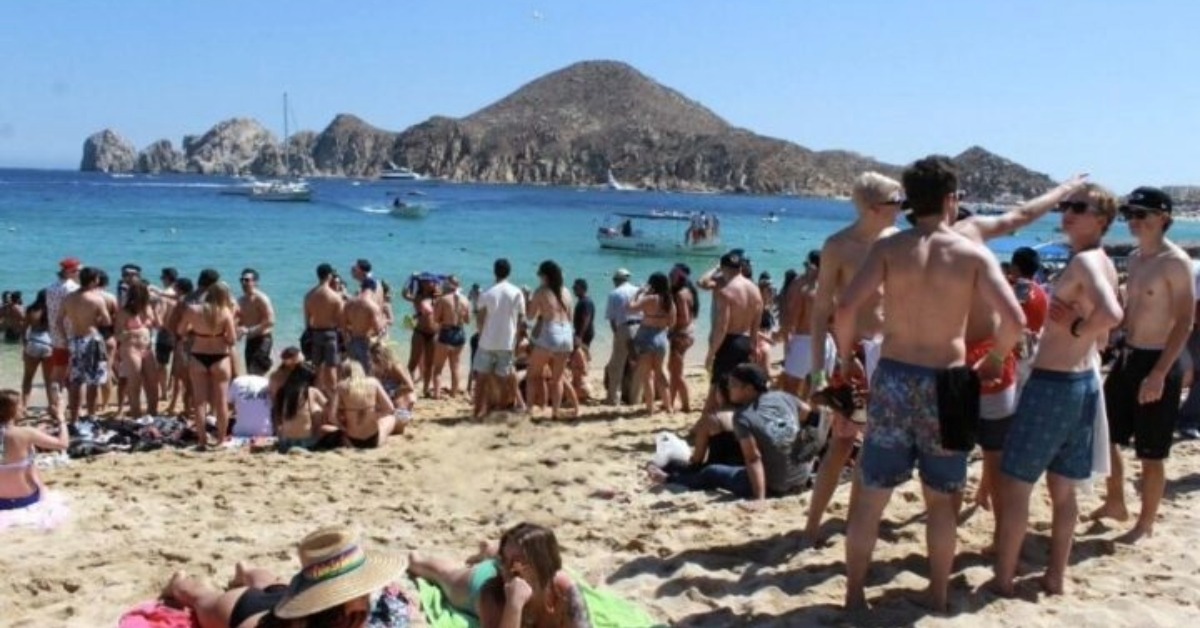
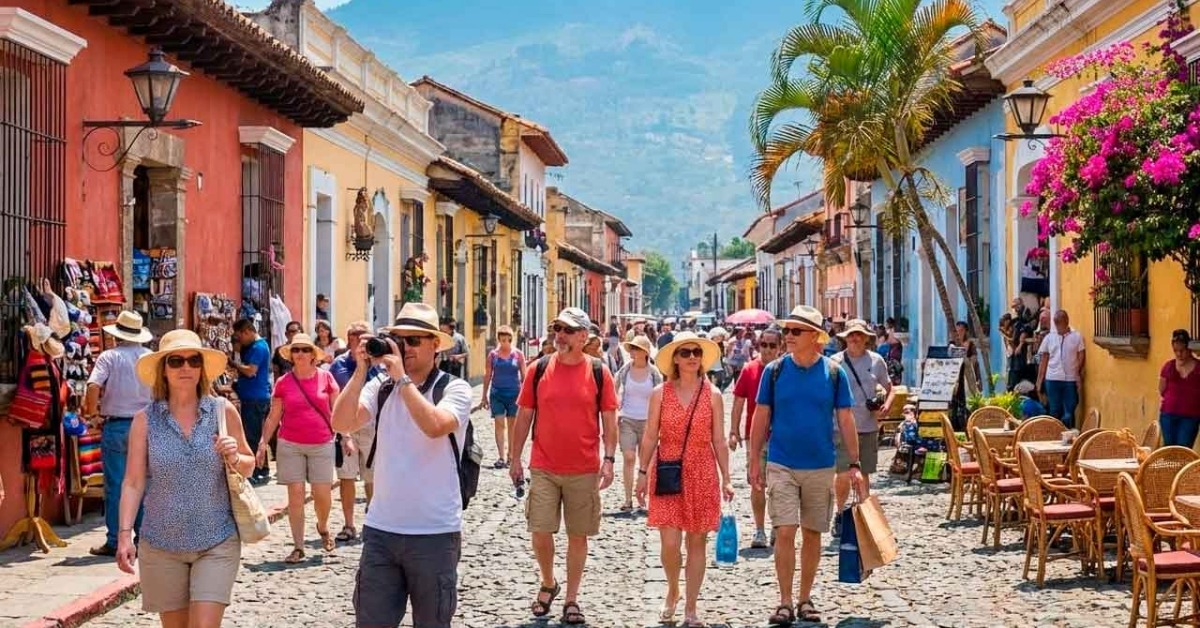
Mexico is launching more than a reassurance campaign. Officials and tourism leaders say they have already begun a yearlong effort to protect traveler confidence in the country’s biggest foreign markets. The strategy centers on fast, verified communication aimed at the United States and Canada. It comes after late-February violence briefly hit hotel demand in parts of Jalisco, and as Mexico moves closer to Semana Santa and the 2026 World Cup. The larger question is whether stronger messaging can keep security concerns from shaping bookings and travel plans.
A campaign built around confidence
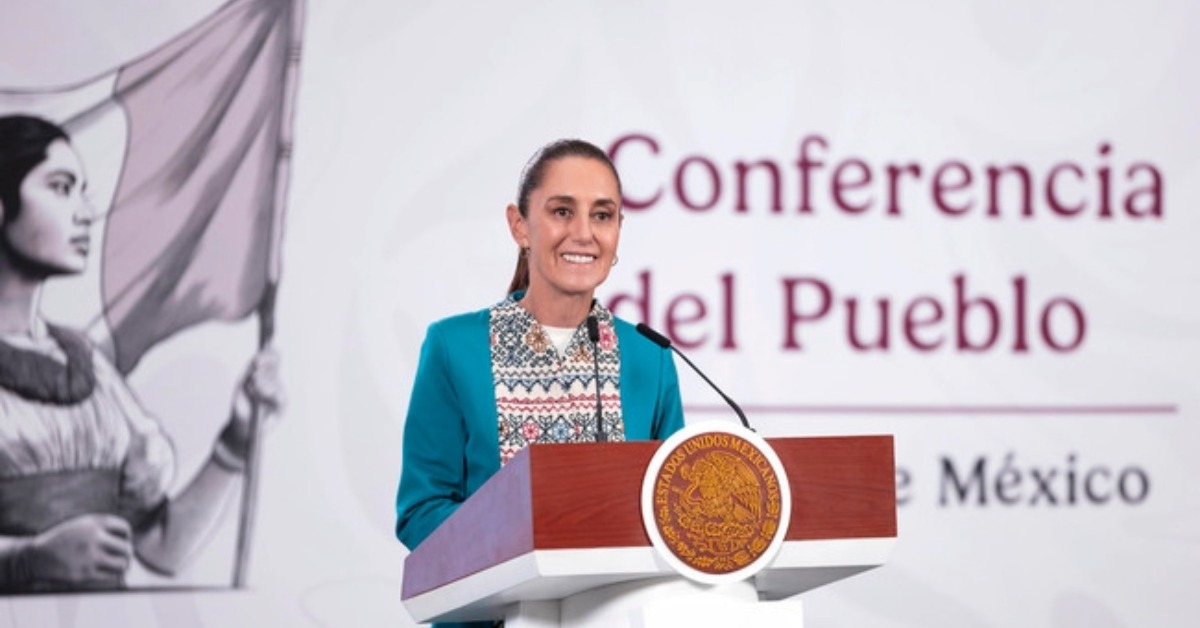
On Thursday, Mexico’s Tourism Secretariat and the tourism business council CNET said an international strategy is already underway. Its goal is to limit the reputational damage caused by security concerns. Antonio Cosío Pando said the plan began about two weeks ago. He said it should remain in place through this year. He also said it is focused on the United States and Canada. Those are Mexico’s two most important foreign travel markets. He said the strategy uses verified information and quick response. It also includes proactive work with media and key travel players. Constant monitoring is meant to contain misinformation before it spreads. The private sector and the federal government will share the cost. No amount was disclosed. Cosío Pando also said that the consulting firm Global Nexus was hired to support the effort. The timing matters. The tourism industry is gearing up for Semana Santa. Officials are also trying to maintain demand ahead of the 2026 World Cup. For residents, investors, and frequent travelers, the message is direct. Authorities do not want security headlines abroad to become the basis for booking decisions.
Why the timing matters
The campaign is starting now because perception can move faster than events on the ground. Cosío Pando said Puerto Vallarta and Guadalajara saw a 30 percent drop in hotel occupancy after the February 22 violence. He also said the decline was brief. Airports kept operating normally, he said. Cruise arrivals were not affected. Airline disruption lasted only 24 hours. The focus on the United States and Canada reflects the shape of Mexico’s inbound market. Datatur reports that from January through November 2025, Mexico received 12.2 million air travelers from the United States. It also received 2.4 million from Canada. In the same period, international visitor spending reached 31.22 billion dollars. Those figures explain why officials are treating image management as an economic issue. They are not treating it only as a communications issue. When confidence weakens in those markets, destinations can feel the effect quickly and directly.
The longer test before 2026
The new messaging push also fits into a wider effort to show that Mexico is ready for major events. CNET has asked officials to keep repeating that the country remains open and operating normally for visitors. That message now overlaps with World Cup preparations. On March 5, federal security officials met with FIFA representatives. They reviewed intelligence, prevention, and deployment protocols. Those plans cover matches in Mexico City, Monterrey, and Guadalajara. The reassurance campaign will still have to compete with foreign travel guidance. The U.S. State Department continues to rate Mexico overall at Level 2. Its advice still varies by state. That means the strategy is not only about answering one news cycle. It is also about shaping the flow of information that influences travel planning, bookings, and investment decisions. The next test will come during Semana Santa. After that, attention will shift to the longer buildup to 2026.