Mexico’s latest culture announcement is larger than a museum repair story. It reaches classrooms, labs, storage areas, museums, and archaeological sites, shaping how residents and visitors experience the country’s history. Officials say the package includes work across INBAL and INAH facilities, along with a first-of-its-kind textile museum near Templo Mayor. The headline figure sounds simple, but the plan is broader than that and raises a practical question: how much of it will be visible to the public soon?
Mexico ties arts spending to schools, museums, and heritage
Mexico’s federal government says it is moving ahead with 1.5 billion pesos in spending tied to facilities used by the National Institute of Fine Arts and Literature, known as INBAL, and the National Institute of Anthropology and History, or INAH. The announcement was part of a broader push to upgrade public cultural infrastructure, from arts schools and labs to museums and archaeological sites. It also included plans for Mexico’s first Textile Museum of Indigenous and Afro-Mexican Peoples, which officials say is scheduled to open near Templo Mayor in the historic center of Mexico City.
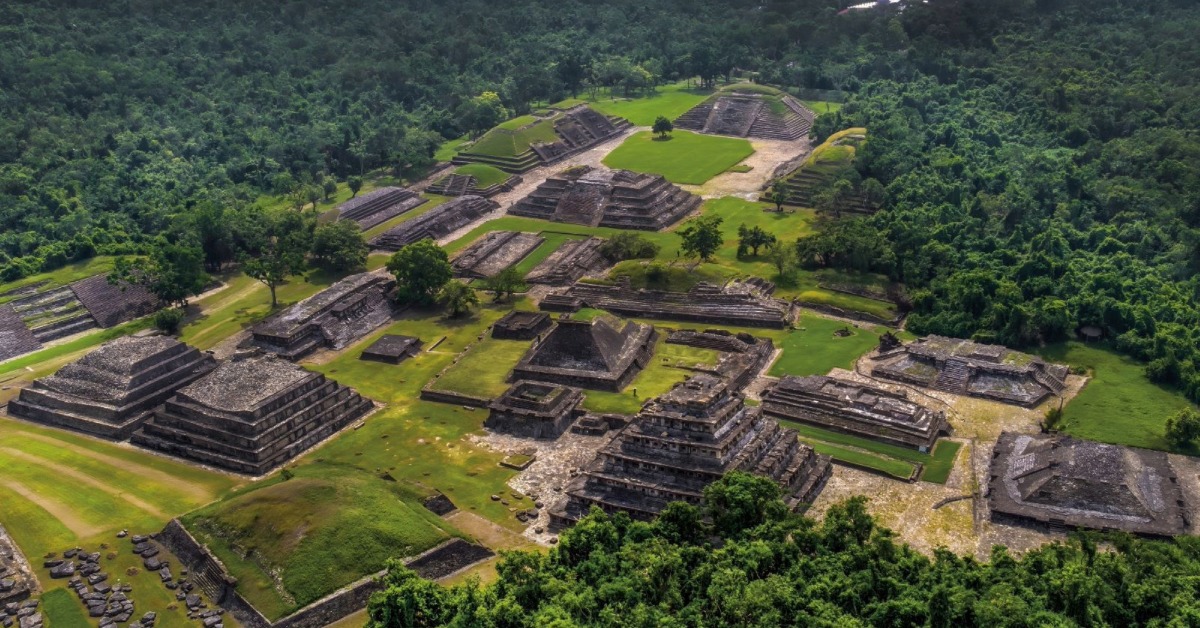
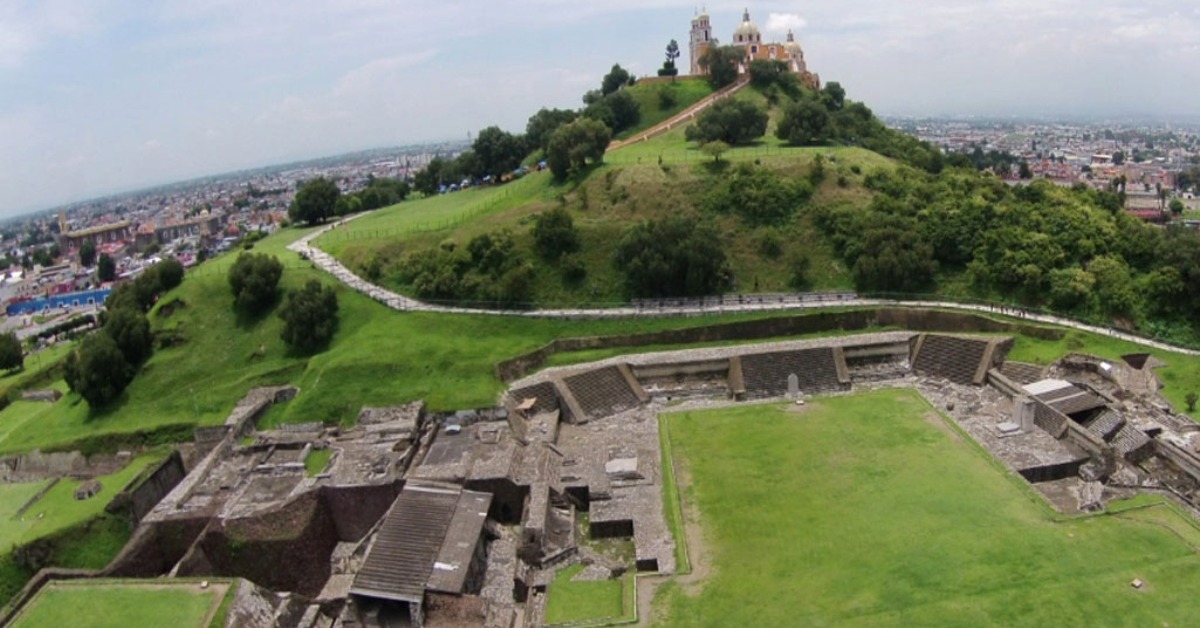
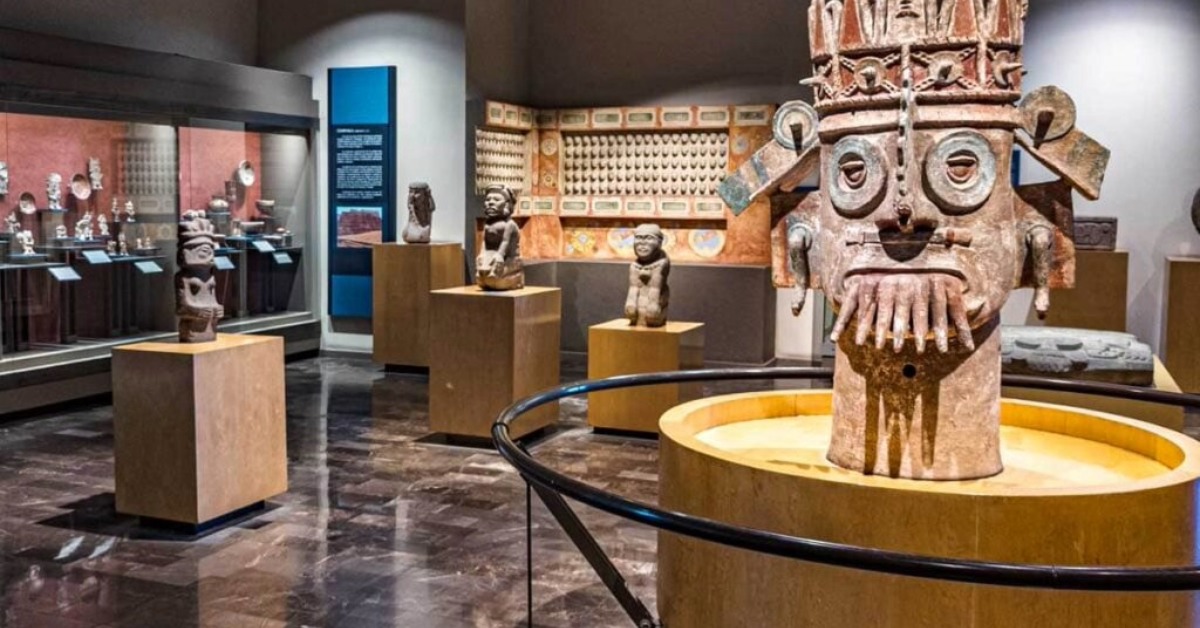
One point matters for readers trying to understand the numbers. The 1.5 billion pesos is tied mainly to school and institutional spaces used by INBAL and INAH. Officials said that money has gone toward work in 1,405 INBAL spaces and 220 INAH spaces. Those interventions include classrooms, labs, storage areas, waterproofing, galleries, and equipment purchases. Separately, the government said 380 million pesos is being directed to the improvement of 12 museums and 46 archaeological zones in 12 states. In other words, this is not only a museum story. It is a broader public infrastructure story with a cultural label.
Why INBAL and INAH matter beyond the culture beat
For international readers, these two institutions sit at the center of how Mexico preserves and presents its cultural life. INBAL oversees major parts of the country’s arts education and public arts network. INAH researches, protects, and manages much of Mexico’s archaeological and historical heritage. That means a spending package involving both agencies touches two different worlds at once. One is the training of artists, conservators, musicians, and specialists. The other is the care of the historical and archaeological sites that many residents and travelers know best.
That overlap helps explain why the announcement has a wider reach than it may first appear. When a government says it is fixing dance rooms, music classrooms, labs, or museum spaces, it is not just funding buildings. It is affecting how collections are stored, how students train, how exhibitions are mounted, and how archaeological zones receive the public. For many expats living in Mexico, these are also the places that shape day-to-day cultural life, whether through museum visits, historic center walks, school performances, or trips to archaeological sites.
What the money is supposed to cover
Officials gave a more detailed breakdown of the school-side spending. In the INBAL system, they said the work has covered dance classrooms, music rooms, academic classrooms, administrative spaces, and school waterproofing. They also said roughly 23,000 items have been purchased, including musical instruments, furniture, and scientific equipment for labs and workshops. In the INAH school system, officials said the work has reached classrooms, labs, and a specialized storage area.
The separate heritage line is also significant. The government said the museum and archaeological-site program is already at 46 percent progress. That work includes site museums, regional museums, and archaeological zones. Some of the spending is being directed to well-known places, including the National Museum of Anthropology and Teotihuacán. For readers, that matters because public-facing cultural spaces often depend on less visible work, such as conservation, technical upgrades, signage, storage, and visitor support areas. These are rarely headline-grabbing fixes, but they often determine whether a visit feels well cared for or visibly neglected.
The new textile museum is the clearest public-facing symbol
The most visible part of the announcement is likely to be the planned Textile Museum of Indigenous and Afro-Mexican Peoples. Officials say it will open in the Casa del Marqués del Apartado, across from Templo Mayor in Mexico City’s historic center. Reports tied to the announcement describe a museum with three exhibition floors and an initial permanent collection of 210 pieces. Its location matters because it places a museum focused on living textile traditions beside one of the country’s most important historical and archaeological landscapes.
That gives the project a meaning beyond a normal museum opening. Textiles in Mexico are not only craft objects or tourist purchases. They carry regional identity, technical knowledge, symbolism, and community memory. Putting that material into a dedicated museum near the ceremonial core of the capital sends a clear message about what belongs in the national story. It also brings Indigenous and Afro-Mexican cultural production into a highly visible public space, rather than leaving those traditions scattered across broader ethnographic displays.
What readers should watch next
Announcements like this are only the first stage. The real test will be execution. Readers should watch for whether the museum opens on the promised schedule, whether the work at schools and heritage sites is completed on time, and whether the investment produces improvements that the public can actually see and use. Maintenance is another question. One-time renovation funds can quickly change conditions, but long-term results depend on staffing, upkeep, conservation planning, and operational budgets.
Still, the announcement does show how the federal government wants to frame culture right now. It is presenting arts education, museum upkeep, archaeological conservation, and public access as part of the same policy field. That approach makes sense in Mexico, where cultural institutions do not just preserve objects. They shape civic identity, tourism, education, and the daily experience of place. For readers living in Mexico, the story is not only about a new museum near Templo Mayor. It is about whether the country’s cultural infrastructure is finally getting the level of investment needed to function well in public view.