
Mexico’s flu season is moving through late-winter weeks, and the latest surveillance tally puts the lab-confirmed count above 6,000 infections and 138 deaths so far. Those headline numbers hide details: where cases are clustering, which strains are leading, and what “lab-confirmed” really means for day-to-day risk. For expats, the practical questions are simple—when to seek care, where to get vaccinated, and how to avoid spreading illness at home and work. Here’s what the data show.
What the surveillance report counts
Mexico’s federal respiratory-virus surveillance for the 2025–2026 influenza season reports 6,082 laboratory-confirmed influenza cases and 138 deaths linked to influenza. The figures reflect testing and reporting through February 14, 2026, within a season that began in October 2025. The totals are updated weekly as new lab results are reported. These counts come from a surveillance system that tracks tested cases, not every person who gets sick. Many mild infections never get swabbed, especially outside major cities. For that reason, the confirmed total is a minimum and a trend marker. Deaths in this series are those with laboratory confirmation reported to the system. They are not based on death certificates alone. The same report lists an accumulated test positivity of 15.2% for influenza in the samples analyzed. Positivity can shift as testing volume and testing criteria change. It also varies by state and by the mix of viruses circulating. For readers, this means influenza remains a contributor to winter respiratory illness.
Where cases and deaths are being reported
Confirmed cases are not evenly distributed across the country. The highest state total is in Mexico City, with 1,348 confirmed infections in the season to date. It is followed by Nuevo León with 612, Estado de México with 596, Puebla with 434, and Yucatán with 317. Deaths have been reported mainly in Puebla, Nuevo León, Mexico City, Hidalgo, and Guanajuato. Higher totals can reflect population size, clinic access, and how many people are tested. They do not, on their own, describe the risk in a single neighborhood. Surveillance also breaks down which age groups appear most often among confirmed cases. Children aged 1–4 years account for 10.3% of detections, followed by 5–9 years at 8.2%, and adults 25–29 years at 7.2%. For expats, those figures matter because they map onto common household and workplace exposures. Daycare-age children can bring infections home quickly. Adult cases often reflect commuting and indoor gatherings. If you are arranging travel or hosting visitors, local activity levels can help gauge risk.
Which strains are leading this season
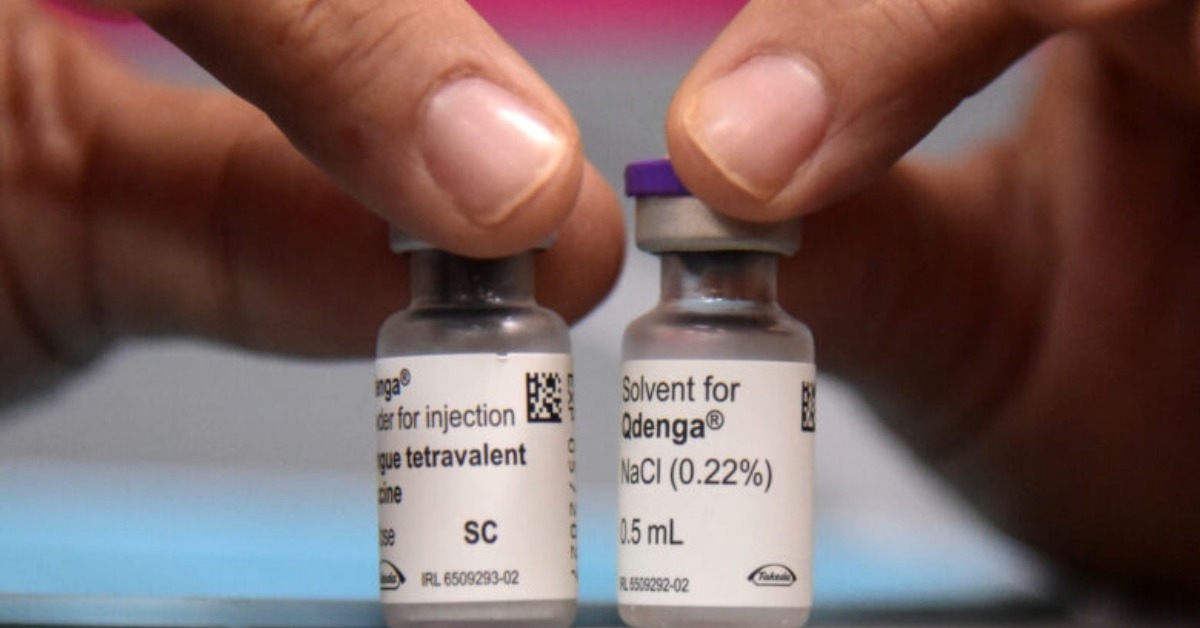
Lab results show a split season. Influenza A(H3N2) and influenza A(H1N1) each account for 44% of confirmed infections. Another 9.8% is reported as influenza A without subtype, and 2.2% as influenza B. For most people, symptoms can look like other respiratory viruses, especially early on. That is why lab testing matters for surveillance and for treatment decisions. Health authorities have also reported detecting an A(H3N2) subclade K (J.2.4.1) variant, which they describe as behaving like seasonal influenza. From a prevention standpoint, the approach is unchanged. Mexico’s public-sector winter campaign uses an inactivated quadrivalent influenza vaccine, updated each year to match expected strains. The campaign began on October 13, 2025, and is scheduled to run through April 3, 2026. By January 23, IMSS reported 11,968,462 flu doses and 1,280 vaccination points. IMSS reports vaccination points inside and outside clinics, serving members and the public. A vaccination card can help staff check your record, but it is not required for a dose. Vaccination is prioritized for young children, older adults, pregnant people, health workers, and people with chronic conditions.
Practical steps for expats in Mexico
Influenza often begins with fever, cough, sore throat, body aches, and fatigue, but symptoms overlap with COVID-19 and RSV. In Mexico, influenza is often referred to as gripe. If you are in a higher-risk group, earlier medical advice can reduce complications. Emergency care is warranted for warning signs such as difficulty breathing, chest pain or pressure, confusion, seizures, or not urinating. In children, fast breathing, bluish lips, dehydration, or unusual sleepiness are reasons to seek urgent help. In Mexico, emergency services can be reached by dialing 911. For expats using private providers, ask whether rapid flu testing is available and how results are reported. If you use public services, family medicine units and health centers can guide testing and treatment. Antiviral medicines may be considered by clinicians, especially for people at higher risk, and they work best when started early. Vaccination can still be useful if you have not yet received it. To limit spread, stay home when sick, cover coughs, and wash hands frequently. Masks reduce exposure in crowded indoor spaces, especially during local case surges.
With information from Secretaría de Salud, IMSS, Secretaría de Salud Pública de Sonora, Gobierno del Estado de Puebla, World Health Organization, U.S. Centers for Disease Control and Prevention, Pan American Health Organization